
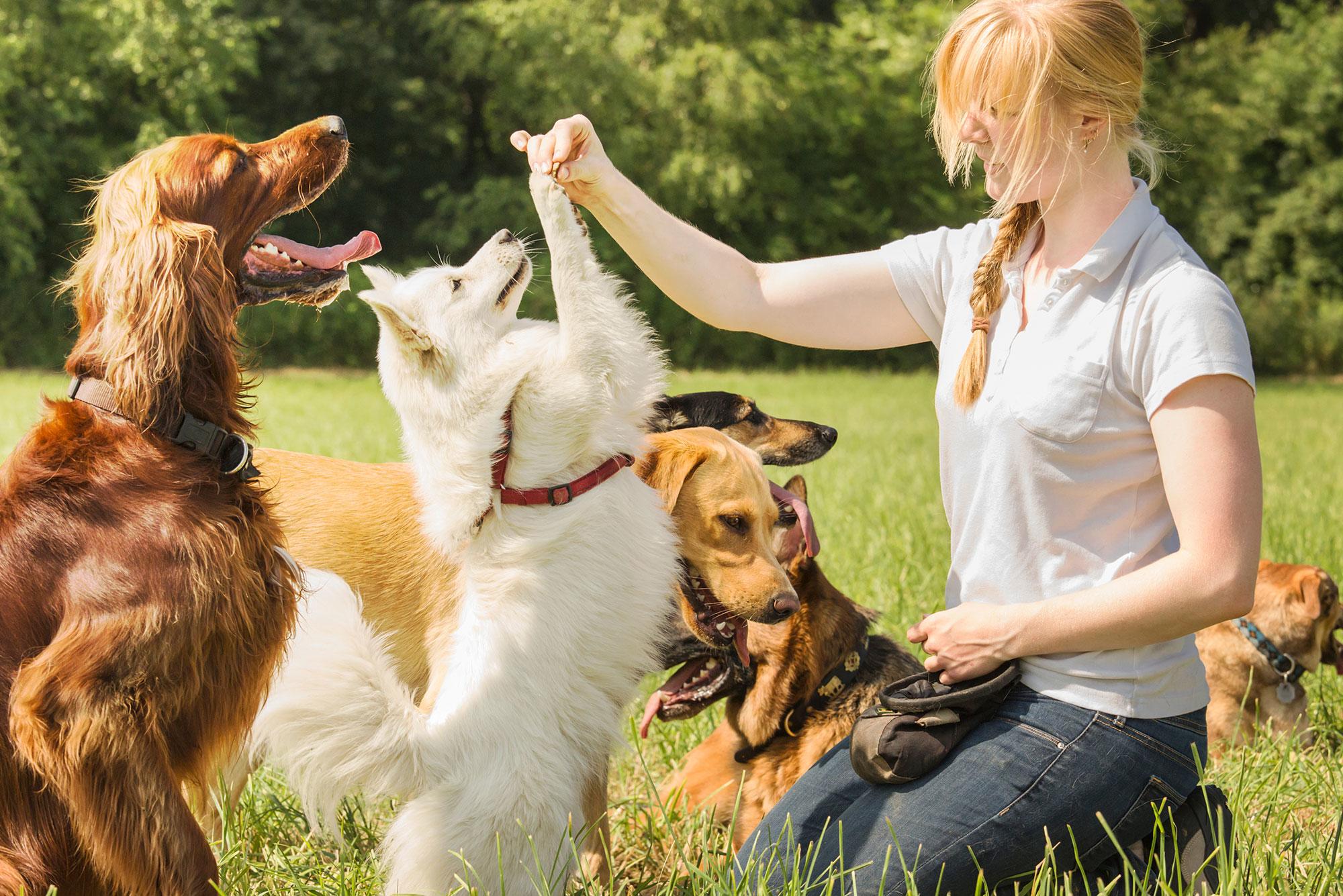
Understanding the World of Canine Employment and Canine Roles
Exploring dog behavior jobs provides fascinating insight into how domestic canines fulfill specific psychological needs through structured tasks and purposeful activity. Modern domestic dogs retain many of the ancient working drives inherited from their wolf ancestors, ranging from tracking scents to guarding territory or cooperating within a social unit. Channeling these intrinsic motivations into constructive outlets helps prevent destructive boredom and supports overall emotional stability. According to the American Kennel Club (AKC), structured mental stimulation and purposeful tasks are vital components in maintaining canine well-being across diverse life stages and environments.
💡 Pet Care Key Takeaways:
- Core Focus: Practical health, nutrition, and wellness guidelines for Dog Behavior Jobs.
- Target Scope: Pet owners, animal caregivers, and veterinary support staff.
- Best Recommendation: Maintain consistent daily routines and consult an accredited veterinarian before introducing major diet or medical changes.
Defining Canine Behavior Roles and Working Drives
Dog behavior jobs refer to structured tasks, scent-work exercises, and cognitive challenges that satisfy a canine’s natural instinct to investigate, problem-solve, and labor alongside human companions. Rather than focusing solely on commercial working roles like police K-9s or search-and-rescue units, this concept encompasses everyday activities designed to engage a dog’s cognitive faculties. Mentally engaging assignments utilize operant conditioning—a method of learning that uses rewards and consequences to shape behavior—to encourage calm focus and problem-solving. By giving a domestic pet a clear objective, such as finding a hidden toy or navigating an agility course, owners help fulfill deep-seated behavioral needs that physical exercise alone cannot satisfy. For more related activities, check out our Dog Behaviour Before Earthquake.
The Psychological and Physical Impact of Purposeful Activity
Engaging in structured mental tasks significantly reduces stress, anxiety, and frustration by burning mental energy and promoting the release of calming neurotransmitters. Canines left without adequate cognitive engagement often invent their own occupations, which frequently manifest as destructive chewing, excessive barking, or compulsive digging in the yard. Implementing structured tasks supports emotional resilience, allowing animals to cope better with novel environmental stressors and sudden routine changes. Proper cognitive outlets also strengthen the human-animal bond through clear communication and cooperative problem-solving during training sessions.
Providing regular cognitive enrichment and structured tasks significantly lowers the incidence of stress-related behavioral problems in domestic companion animals. — American Kennel Club
Implementing Structured Tasks and Enrichment Effectively
Establishing effective behavioral routines requires breaking complex tasks down into manageable steps and relying exclusively on positive reinforcement methods. Positive reinforcement involves rewarding desired actions with treats, praise, or play, thereby encouraging the animal to repeat those behaviors without fear or intimidation. Owners can introduce simple scent-identification games, puzzle feeders, or obedience challenges that gradually increase in difficulty as the dog masters each foundational level. Keeping sessions short and engaging prevents mental fatigue and ensures that the experience remains positive for both participant and handler.
Best Practices and Common Pitfalls in Canine Engagement
Successful implementation of canine tasks demands consistency, patience, and careful observation of body language to prevent overstimulation or frustration. A frequent mistake involves setting expectations too high too quickly, which can cause confusion and anxiety rather than productive learning. Punitive, intimidation-based, or dominance-based techniques must always be avoided, as these methods damage trust and escalate fear or reactive responses. Monitoring subtle signs of stress, such as lip licking, yawning, or turning the head away, helps handlers know when it is time to take a break and conclude the session on a successful note.
Observing subtle canine body language signals during training prevents accidental overstimulation and supports positive emotional health. — American Society for the Prevention of Cruelty to Animals
Pet Care & Wellness Overview Table
| Life Stage | Daily Activity Level | Key Nutrition / Care Focus |
|---|---|---|
| Puppy / Kitten | High (frequent short bursts) | High-protein growth diet & early socialization |
| Adult Companion | Moderate (30–60 mins daily) | Balanced maintenance nutrition & dental hygiene |
| Senior Pets | Low to Gentle (mindful walks) | Joint support (Glucosamine) & routine vet checks |
Images References




Breed, Age, and Temperament Influences on Task Preferences
Individual breed history, developmental age, and inherent temperament heavily influence which types of activities will resonate most strongly with a specific dog. Herding breeds often excel at directional control games and agility, while scent hounds thrive during tracking exercises that allow them to utilize their powerful olfactory systems. Younger dogs typically possess higher energy reserves and benefit from dynamic tasks that require physical agility combined with mental focus, whereas senior dogs prefer low-impact scent discrimination games that accommodate physical limitations. Understanding these individual differences ensures that chosen activities match the animal’s natural capabilities and physical health status.
When to Consult a Veterinary Professional or Certified Behaviorist
Persistent behavioral challenges, sudden shifts in temperament, or intense fear reactions require professional evaluation by a qualified veterinarian or certified animal behaviorist. Medical discomfort or underlying illness frequently manifests as behavioral changes, making a thorough veterinary physical examination the essential first step before addressing any psychological concern. For severe anxiety, compulsive habits, or aggression issues, punitive methods are strictly contraindicated. Instead, collaborating with an appropriately certified professional ensures that a safe, scientifically sound, and humane behavior modification plan is implemented.
Expanding Canine Knowledge Through Trusted Resources
Supporting a companion animal’s behavioral health is a continuous journey that benefits from reliable guidance, ongoing education, and evidence-based care strategies. Readers can explore further insights into optimal care practices, training techniques, and health management by visiting PetsAnimalsWorld.com and reviewing specialized guides on Dog Training, Dog Behavior, and Dog Health. Ensuring a balanced lifestyle empowers companion dogs to thrive mentally, emotionally, and physically throughout every stage of life.




