
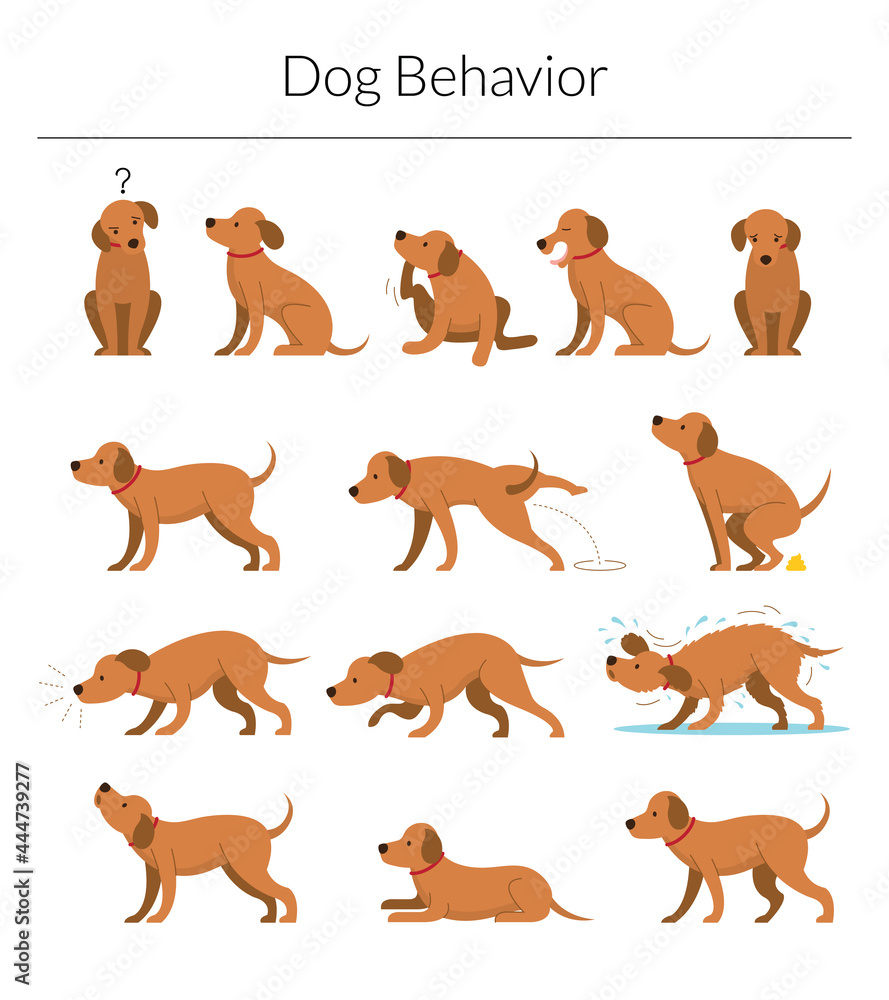
Interpreting Canine Communication Through Visual Media
Understanding canine communication requires careful observation of subtle physical cues, making educational dog behavior images a valuable resource for modern pet guardians. According to the American Society for the Prevention of Cruelty to Animals (ASPCA), proper interpretation of subtle body language is fundamental to preventing misunderstandings between humans and domestic canines. Many guardians misread physical signals because everyday gestures differ significantly from human communication styles. Visual references help bridge this gap by capturing fleeting micro-expressions, ear position changes, and tension patterns that pass too quickly to notice in real-time observation.
💡 Pet Care Key Takeaways:
- Core Focus: Practical health, nutrition, and wellness guidelines for Dog Behavior Images.
- Target Scope: Pet owners, animal caregivers, and veterinary support staff.
- Best Recommendation: Maintain consistent daily routines and consult an accredited veterinarian before introducing major diet or medical changes.
Defining Canine Visual Communication and Photographic References
Dog behavior images are photographic or illustrative records that capture specific bodily postures, facial expressions, and spatial orientations associated with distinct emotional states in canines. These visual aids document the spectrum of canine emotion, ranging from relaxed contentment to extreme stress, fear, or arousal. By isolating individual components like tail carriage, lip tension, piloerection—commonly known as raised hackles—and eye shape, reference images provide an educational anatomy of canine expression. Observers learn to look past stereotypical assumptions, such as interpreting a wagging tail as universal friendliness, and instead examine the entire bodily context depicted in the reference material.
Emotional and Safety Implications of Reading Canine Cues
Accurate interpretation of these visual cues directly impacts household safety, animal welfare, and the effectiveness of foundational Dog Training methods. When caregivers fail to recognize early signs of discomfort or anxiety, such as whale eye—where the white of the eye is prominently visible—or lip licking, situations can rapidly escalate into defensive reactions. Recognizing these precursor indicators allows handlers to remove triggers before distress peaks. Furthermore, studying accurate visual documentation supports positive reinforcement strategies by highlighting moments when an animal feels calm and receptive to learning new skills within a Dog Care routine.
Behavioral signaling in domestic canines relies heavily on a complex combination of ear placement, facial muscle tension, and weight distribution across the limbs. — American Veterinary Medical Association
Practical Applications for Observing and Analyzing Visual Guides
Utilizing photographic resources effectively involves systematic analysis rather than quick glances at isolated body parts. Observers should evaluate the holistic picture, noting how tension in the jaw interacts with body stiffness or the shifting of weight toward the rear limbs. When incorporating these visual studies into everyday Dog Behavior monitoring, consistency and context remain paramount. Environmental factors, such as loud noises or unfamiliar visitors, heavily influence the meaning behind a specific posture, meaning images must always be evaluated alongside the surrounding circumstances.
Best Practices and Common Interpretive Mistakes
Avoid the common pitfall of anthropomorphism, which involves attributing complex human motives like guilt or spite to an animal displaying lowered posture or averted gaze. In canine terms, these postures typically signal appeasement or fear in response to human anger, rather than moral remorse. Observers should also remember that static images capture only a single millisecond of a fluid interaction. Relying on verified educational collections curated by certified animal behaviorists ensures that the referenced material reflects current, scientifically grounded ethology rather than outdated dominance theories.
Early recognition of canine stress signals significantly reduces the incidence of stress-related behavioral incidents in multi-pet and family households. — American Society for the Prevention of Cruelty to Animals
Pet Care & Wellness Overview Table
| Life Stage | Daily Activity Level | Key Nutrition / Care Focus |
|---|---|---|
| Puppy / Kitten | High (frequent short bursts) | High-protein growth diet & early socialization |
| Adult Companion | Moderate (30–60 mins daily) | Balanced maintenance nutrition & dental hygiene |
| Senior Pets | Low to Gentle (mindful walks) | Joint support (Glucosamine) & routine vet checks |
Images References

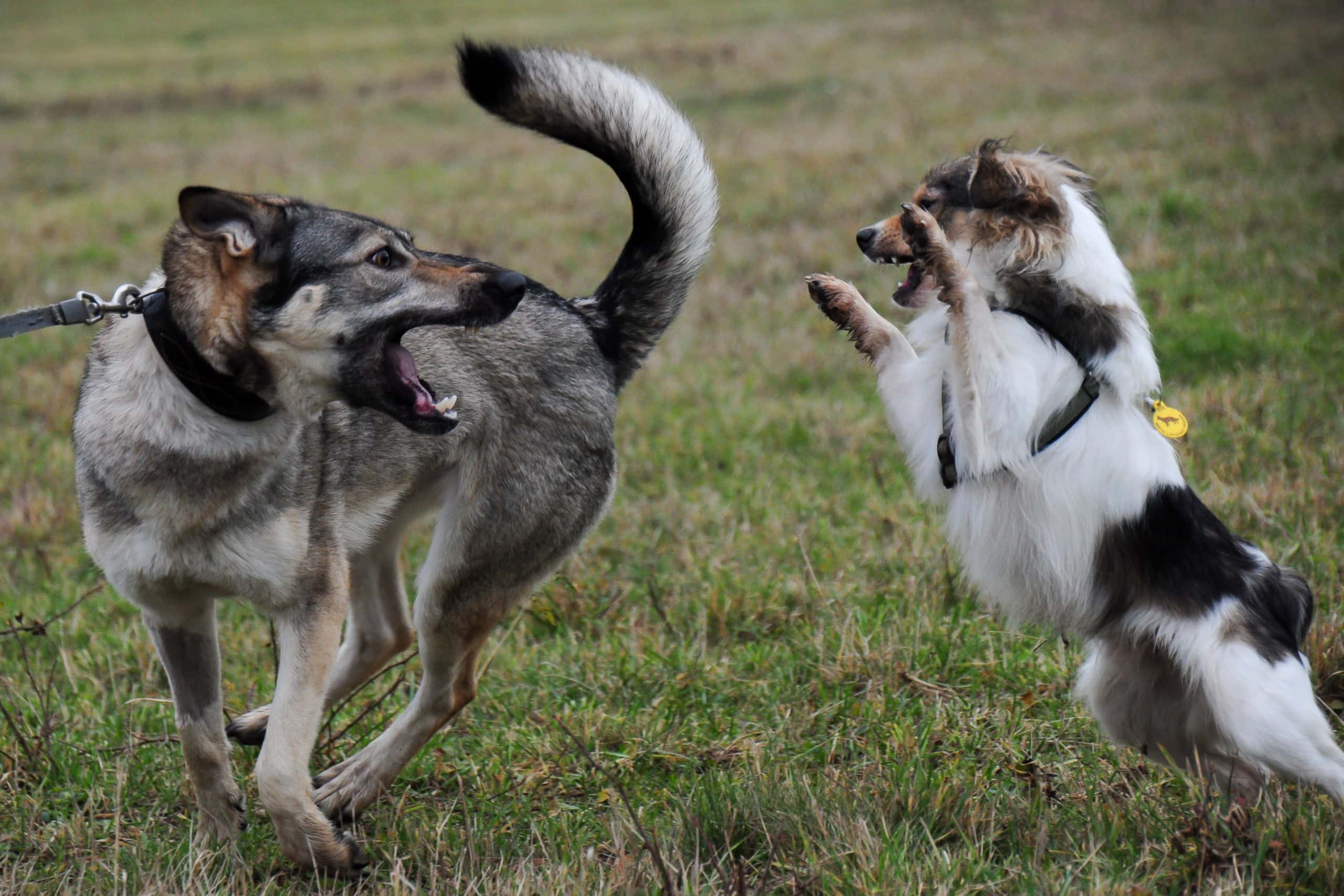


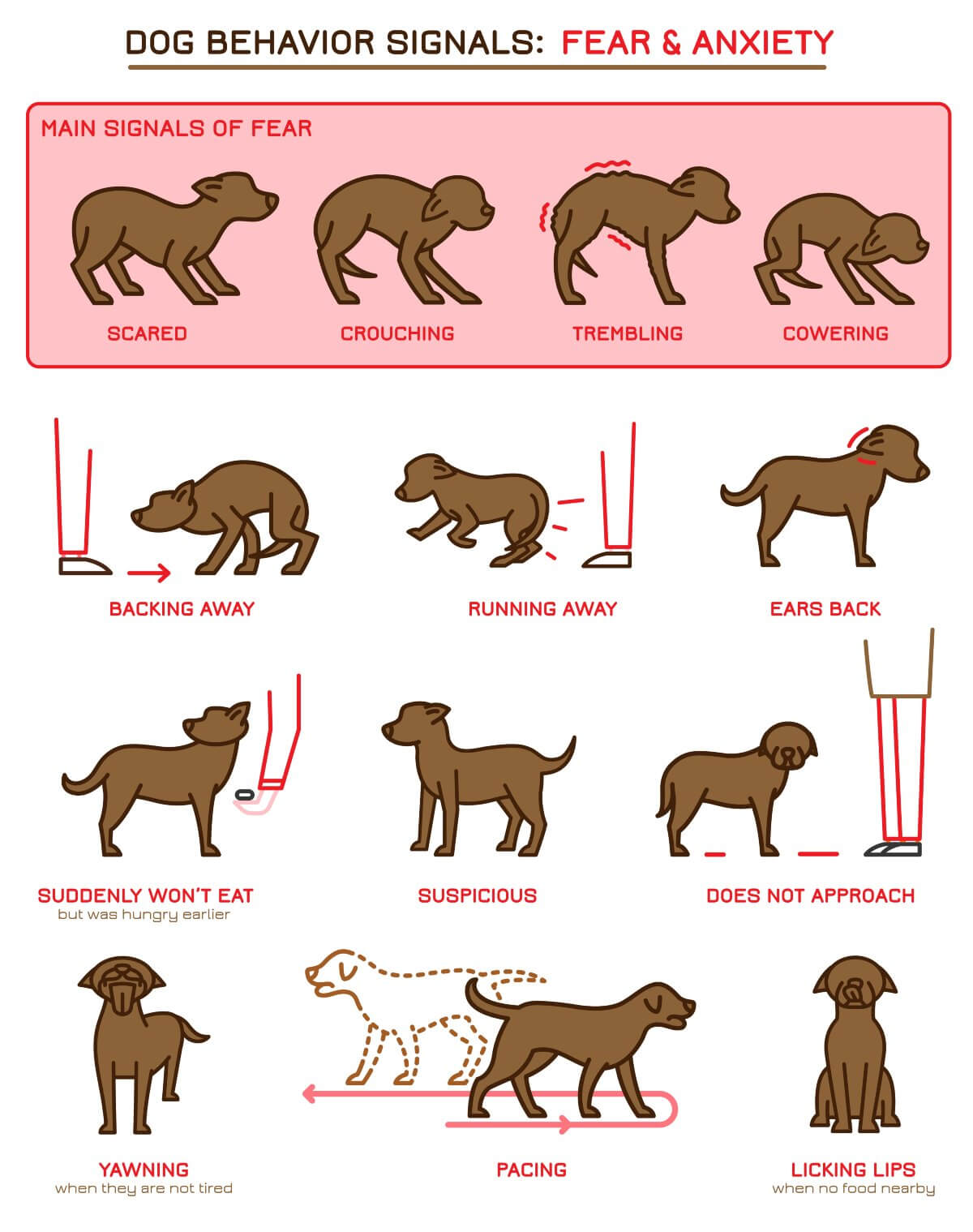




Individual Variability Across Breeds, Ages, and Morphologies
Morphological differences among diverse Dog Breeds mean that standard behavioral imagery cannot be applied uniformly without adjustment. Breeds with cropped ears, naturally folded ears, thick facial wrinkles, or docked tails may lack the visible signaling structures found in other types, altering how they express intent. For example, brachycephalic dogs—those with shortened facial structures—may hold their mouths slightly open at rest due to anatomy, which could be misread as panting from stress. Similarly, senior dogs experiencing stiffness from joint discomfort might exhibit posture changes that resemble fearful freezing, underscoring the importance of cross-referencing behavioral observations with general Dog Health assessments.
When to Consult Certified Professionals and Veterinary Behaviorists
Persistent behavioral concerns, sudden shifts in body language patterns, or any display of defensive aggression require guidance from qualified professionals rather than independent study of images alone. If visual observations reveal chronic anxiety, compulsive habits, or unexplained reactivity, consulting a veterinarian helps rule out underlying medical pain or neurological issues that influence posture. For advanced behavioral modification, engaging a board-certified veterinary behaviorist or a professional certified through humane, science-based organizations ensures the safety of everyone involved and supports the animal’s long-term emotional well-being.
Expanding Knowledge Through Comprehensive Pet Resources
Deepening your understanding of canine communication empowers you to foster a safer, more responsive environment for your companion. Visual guides serve as a bridge, translating complex ethological science into accessible knowledge for everyday guardians. Explore more expert advice and educational resources across PetsAnimalsWorld.com to support responsible pet ownership and strengthen the bond between your household and your animal companions.




