According to the American Veterinary Medical Association, behavioral issues represent a primary reason companion animals are relinquished to shelters, making early intervention and proper guidance critical for long-term household harmony. Modern metropolitan environments present unique sensory pressures for domestic canines, ranging from heavy traffic sounds to dense neighborhoods filled with unexpected stimuli. Dogs process these environmental stressors differently based on individual temperament, socialization history, and daily routines. When domestic companions display persistent reactivity, extreme fear, or destructive habits, standard obedience commands often fall short of resolving the underlying emotional state. Seeking specialized professional guidance helps bridge the gap between human expectations and canine communication, fostering a more secure and predictable environment for the entire household.
💡 Pet Care Key Takeaways:
- Core Focus: Practical health, nutrition, and wellness guidelines for Dog Behaviorist Houston.
- Target Scope: Pet owners, animal caregivers, and veterinary support staff.
- Best Recommendation: Maintain consistent daily routines and consult an accredited veterinarian before introducing major diet or medical changes.
Defining Professional Canine Behavioral Modification in the Greater Houston Area
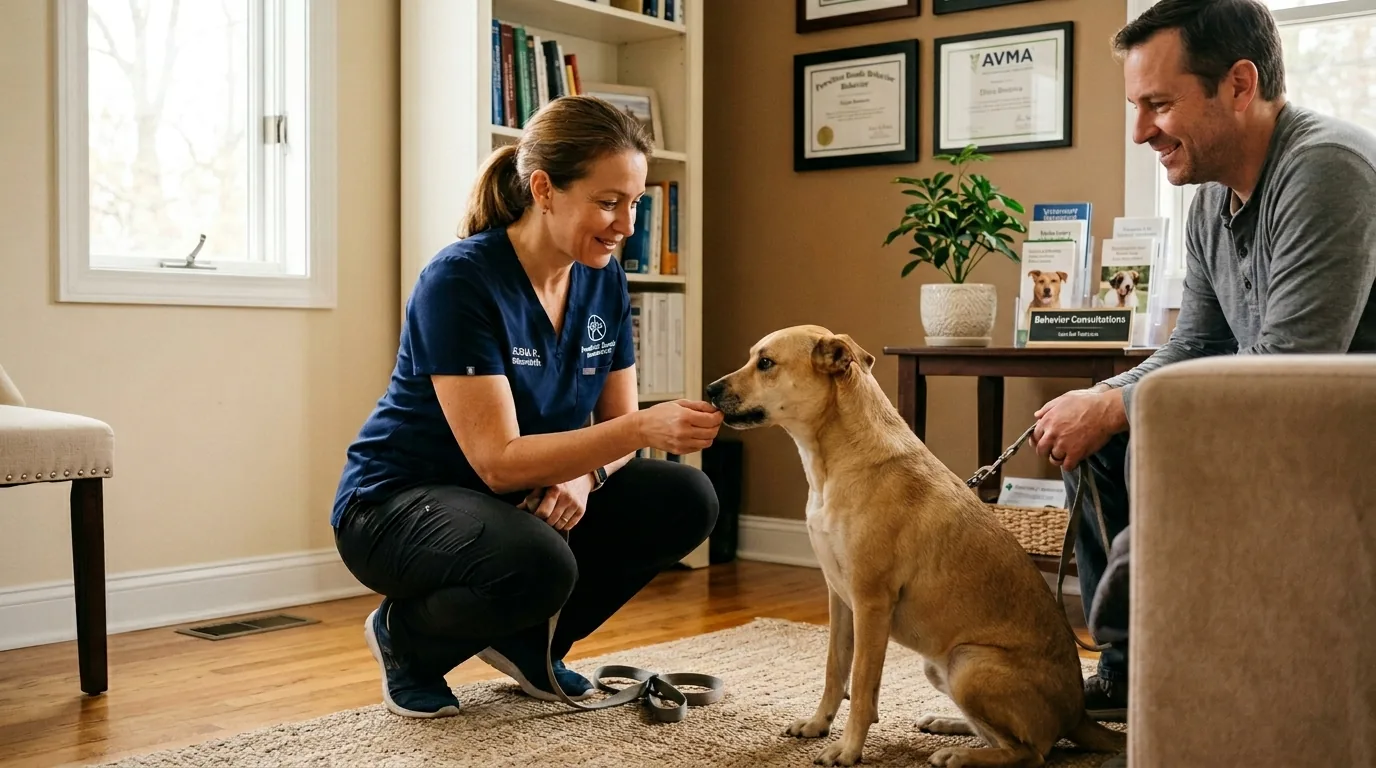
Engaging a certified dog behaviorist in Houston involves consulting an expert who evaluates complex psychological triggers rather than merely correcting surface-level obedience flaws. Unlike basic obedience instructors who focus primarily on fundamental commands like sit, stay, and come, animal behavior specialists study ethology—the scientific study of animal behavior—alongside learning theory and emotional regulation. In a sprawling, diverse metropolis spanning multiple climate zones and bustling neighborhoods, canine specialists address environmental stressors unique to the region, such as high heat adaptation, urban wildlife encounters, and sudden weather changes. These specialists utilize evidence-based, humane methodologies rooted in positive reinforcement to modify emotional responses, ensuring the dog feels safe while learning alternative coping mechanisms. For more related activities, check out our Dog Behaviorist Philadelphia.
Understanding the Connection Between Environmental Stress and Psychological Well-Being
Environmental factors within a dense metropolitan landscape directly influence canine physiological health, triggering chronic stress responses that manifest as pacing, excessive vocalization, or redirected reactivity. Elevated ambient temperatures and high humidity levels can lower a dog’s frustration threshold, making them more susceptible to overstimulation during daily walks. Addressing these challenges requires a comprehensive review of the animal’s daily schedule, physical exercise routines, and mental enrichment opportunities. When stress remains unmanaged, it frequently escalates into compulsive habits or physiological ailments linked to chronic cortisol elevation. Implementing structured decompression routines and environmental management strategies helps restore emotional equilibrium and supports overall physiological wellness.
Behavioral counseling and environmental enrichment significantly reduce stress-related physiological markers in domestic canines — American Veterinary Medical Association
Implementing Evidence-Based Strategies for Lasting Behavioral Change
Addressing persistent behavioral challenges requires a systematic, step-by-step approach focused on desensitization and counter-conditioning. Desensitization involves gradual, low-intensity exposure to a trigger so the dog remains calm, while counter-conditioning pairs that trigger with a positive stimulus, such as high-value food rewards, to alter the underlying emotional response. Punitive, intimidation-based, or dominance-oriented techniques must be strictly avoided, as these methods heighten fear, elevate anxiety, and often increase the risk of defensive aggression. Consistency across all household members ensures the dog receives clear, predictable communication, which accelerates learning and reinforces new, desirable coping mechanisms during daily routines.
Best Practices and Common Pitfalls in Canine Behavior Modification
Successful behavior modification relies on patience, acute observation, and strict adherence to customized training protocols designed by qualified professionals. A frequent pitfall among pet owners involves rushing exposure milestones or expecting linear progress, which can trigger setbacks and overwhelm the animal. Maintaining short, positive training sessions prevents mental fatigue and keeps the learning experience enjoyable for the dog. Furthermore, avoiding inconsistent rule enforcement prevents confusion and ensures the animal clearly understands expected behaviors across varying household scenarios. Documenting triggers in a daily log provides valuable insights for behavioral specialists and helps track incremental improvements over time.
Positive reinforcement methods yield higher long-term compliance and lower stress levels compared to aversive training techniques — American Society for the Prevention of Cruelty to Animals
Pet Care & Wellness Overview Table
| Life Stage | Daily Activity Level | Key Nutrition / Care Focus |
|---|---|---|
| Puppy / Kitten | High (frequent short bursts) | High-protein growth diet & early socialization |
| Adult Companion | Moderate (30–60 mins daily) | Balanced maintenance nutrition & dental hygiene |
| Senior Pets | Low to Gentle (mindful walks) | Joint support (Glucosamine) & routine vet checks |
Images References





Breed, Age, and Individual Temperament Considerations
Every dog possesses a distinct genetic blueprint, developmental history, and personality profile that shapes how they interact with the world. Working and herding breeds, for instance, often require intensive mental stimulation and environmental outlets to channel their high natural drive constructively, whereas companion breeds may have different social priorities. Age also plays a vital role; adolescent dogs experience hormonal shifts that can temporarily influence impulse control, while senior canines may experience cognitive decline that alters established patterns. Recognizing these intrinsic traits prevents unrealistic expectations and allows owners to tailor behavior modification plans to the specific needs of their animal, supporting harmony across different life stages.
When to Consult a Veterinary Professional or Certified Behaviorist
Sudden shifts in demeanor, persistent aggression, severe separation anxiety, or intense phobias warrant immediate consultation with a qualified veterinary professional or certified applied animal behaviorist. Medical discomfort, underlying neurological conditions, or hidden pain frequently manifest as behavioral changes, making a thorough veterinary physical examination the essential first step before initiating training. For complex psychological concerns, partnering with an expert ensures the implementation of a safe, structured rehabilitation plan tailored to the individual animal. Exploring Dog Behavior and Dog Training resources provides further foundational knowledge for pet owners navigating these challenges.
Building a Harmonious Future Through Informed Canine Care
Supporting a companion animal through behavioral challenges deepens the human-animal bond and ensures a safer, more fulfilling life within the household and the community. By utilizing compassionate, science-backed guidance, owners can successfully navigate urban stressors and help their pets thrive. Explore additional expert resources on Dog Care and Dog Health to continue supporting your pet’s lifelong wellness journey at PetsAnimalsWorld.com.