

Understanding the sudden bursts of energy observed in canine companions
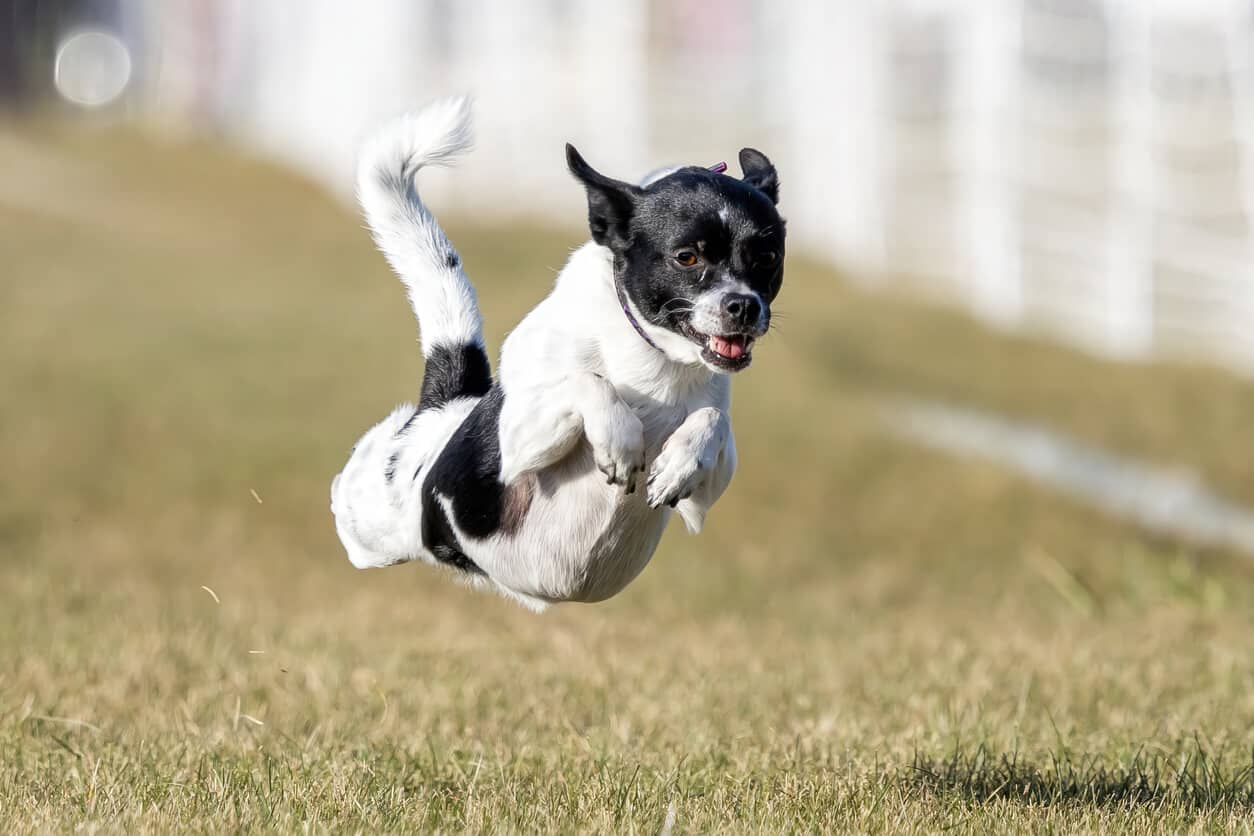
Sudden, frantic racing around the living room or yard leaves many households bewildered by canine antics. According to the American Kennel Club, these high-energy episodes are scientifically known as Frenetic Random Activity Periods, though everyday language favors the term zoomies. Recognizing what triggers these intense sprints helps households respond appropriately to sudden outbursts.
💡 Pet Care Key Takeaways:
- Core Focus: Practical health, nutrition, and wellness guidelines for Dog Behavior Zoomies.
- Target Scope: Pet owners, animal caregivers, and veterinary support staff.
- Best Recommendation: Maintain consistent daily routines and consult an accredited veterinarian before introducing major diet or medical changes.
Defining frenetic random activity periods and their underlying mechanisms
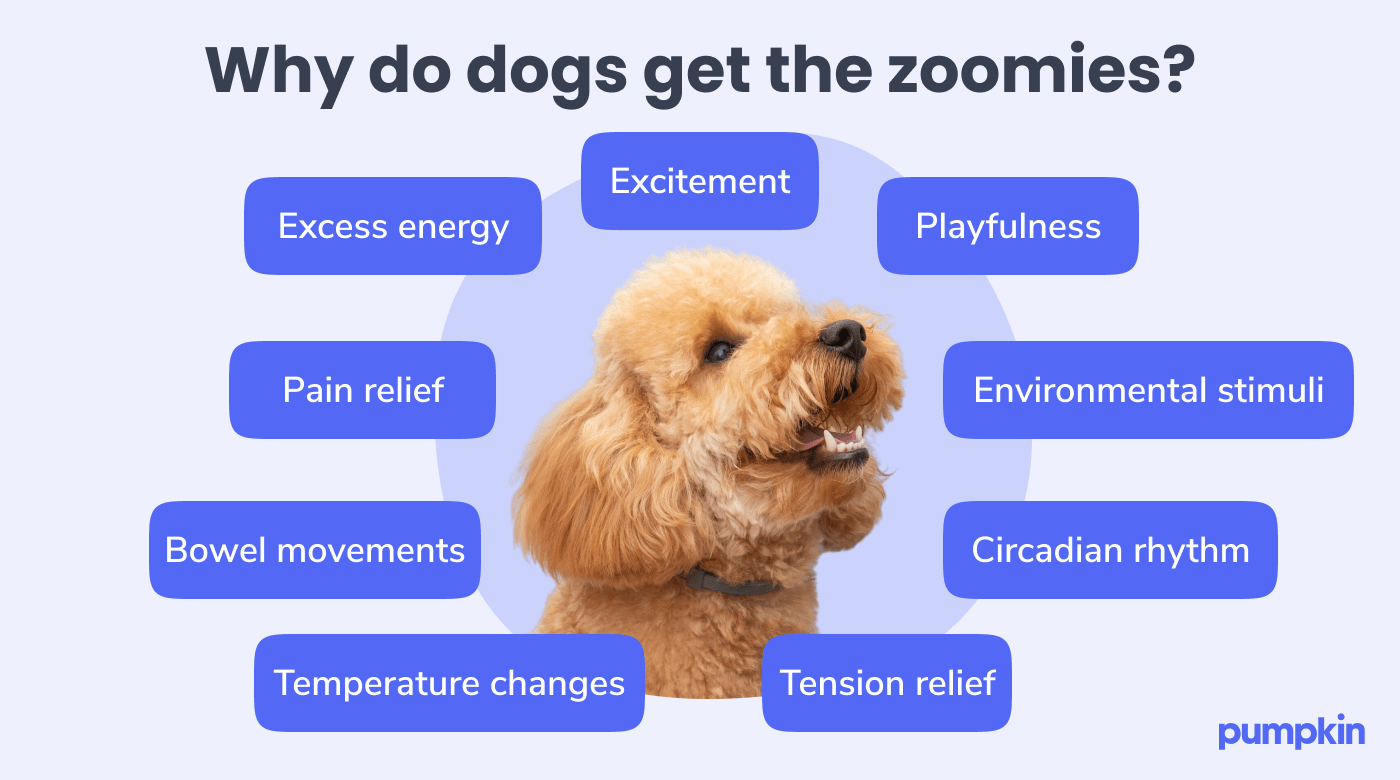
Frenetic Random Activity Periods describe sudden, temporary explosions of physical exertion where a dog runs in circles, spins, or dashes back and forth with apparent wild abandon. This behavior typically lasts only a few minutes before the animal abruptly stops to pant or rest. Canine behavior specialists explain that these episodes serve as a natural release valve for pent-up physical and mental energy. Many dogs experience these surges after periods of confinement, grooming, or high stress, converting residual tension into pure motion.
Assessing the physical and emotional impact of high-energy outbursts
Physical exertion during a sudden sprint can occasionally lead to slips, slides, or minor muscle strains if the environment contains slick flooring or sharp furniture edges. Emotional states leading up to these moments generally involve excitement, relief, or the sheer joy of play rather than distress or fear. Ensuring a safe space prevents accidental collisions and protects joints from unneeded impact during rapid directional changes.
Frenetic Random Activity Periods typically manifest as sudden, high-speed running, spinning, and erratic movement, serving as a natural outlet for pent-up energy. — American Kennel Club
Managing rapid movement safely within the living environment
Providing adequate daily exercise and structured play opportunities significantly reduces the frequency of unexpected indoor sprints. Designating secure, slip-resistant zones with rugs or mats minimizes the risk of sliding injuries during high-speed turns. Households observing these energetic displays should remain calm, avoid chasing the animal to prevent accidental escalation, and simply allow the natural energy cycle to run its course.
Practical guidelines and common pitfalls during intense activity episodes
Observing specific best practices ensures that sudden energy releases remain safe for both the household and the animal. Attempting to physically grab a running dog or shouting commands often startles the animal and can inadvertently transform a playful sprint into a fearful reaction. Maintaining a predictable daily routine helps stabilize energy levels, minimizing the intensity of these unexpected bursts. Furthermore, verifying that toys and play items are durable prevents accidental ingestion of debris during frenetic play sessions.
Providing consistent physical exercise and structured mental enrichment helps regulate daily energy levels in companion dogs. — Association of Professional Dog Trainers
Pet Care & Wellness Overview Table
| Life Stage | Daily Activity Level | Key Nutrition / Care Focus |
|---|---|---|
| Puppy / Kitten | High (frequent short bursts) | High-protein growth diet & early socialization |
| Adult Companion | Moderate (30–60 mins daily) | Balanced maintenance nutrition & dental hygiene |
| Senior Pets | Low to Gentle (mindful walks) | Joint support (Glucosamine) & routine vet checks |
Images References







Influence of age, breed, and temperament on activity patterns
Puppies and younger dogs display rapid energy spikes with much greater frequency than senior animals due to developmental milestones and higher baseline vitality. Working breeds and herding types often require substantial physical and mental engagement to prevent restlessness, though energetic episodes occur across virtually all breeds and mixed-lineage dogs alike. Monitoring individual behavioral patterns allows caregivers to tailor Dog Care strategies to match specific life stages and individual energy requirements effectively.
When professional guidance becomes necessary for behavioral concerns
Consulting a veterinarian or a certified animal behaviorist is recommended if high-energy bursts transition into compulsive spinning, destructive chewing, or signs of physical discomfort during movement. Persistent behavior changes can sometimes indicate underlying medical issues, joint pain, or chronic stress that requires professional evaluation. Exploring trusted resources on Dog Behavior helps caregivers distinguish normal play from compulsive patterns requiring specialized intervention.
Supporting canine wellness through informed daily routines
Balancing physical activity, mental stimulation, and adequate rest ensures a harmonious living environment for every household member. Integrating insights from Dog Training alongside proper Dog Health practices supports long-term vitality. Discover more guidance and educational articles by visiting PetsAnimalsWorld.com today.




