Addressing canine behavioral challenges frequently requires expert guidance, leading many households to explore the realm of a dog behaviorist online. According to the American Society for Prevention of Cruelty to Animals (ASPCA), behavioral issues remain a primary reason dogs are relinquished to shelters, underscoring the critical importance of accessible, humane intervention methods. When a dog displays persistent jumping, excessive vocalization, or stranger anxiety, finding timely professional support can transform domestic harmony. Modern tele-behavior consulting bridges geographical divides, connecting guardians with qualified specialists without the stress of travel for sensitive animals.
💡 Pet Care Key Takeaways:
- Core Focus: Practical health, nutrition, and wellness guidelines for Dog Behaviorist Online.
- Target Scope: Pet owners, animal caregivers, and veterinary support staff.
- Best Recommendation: Maintain consistent daily routines and consult an accredited veterinarian before introducing major diet or medical changes.
Understanding Virtual Canine Consultations
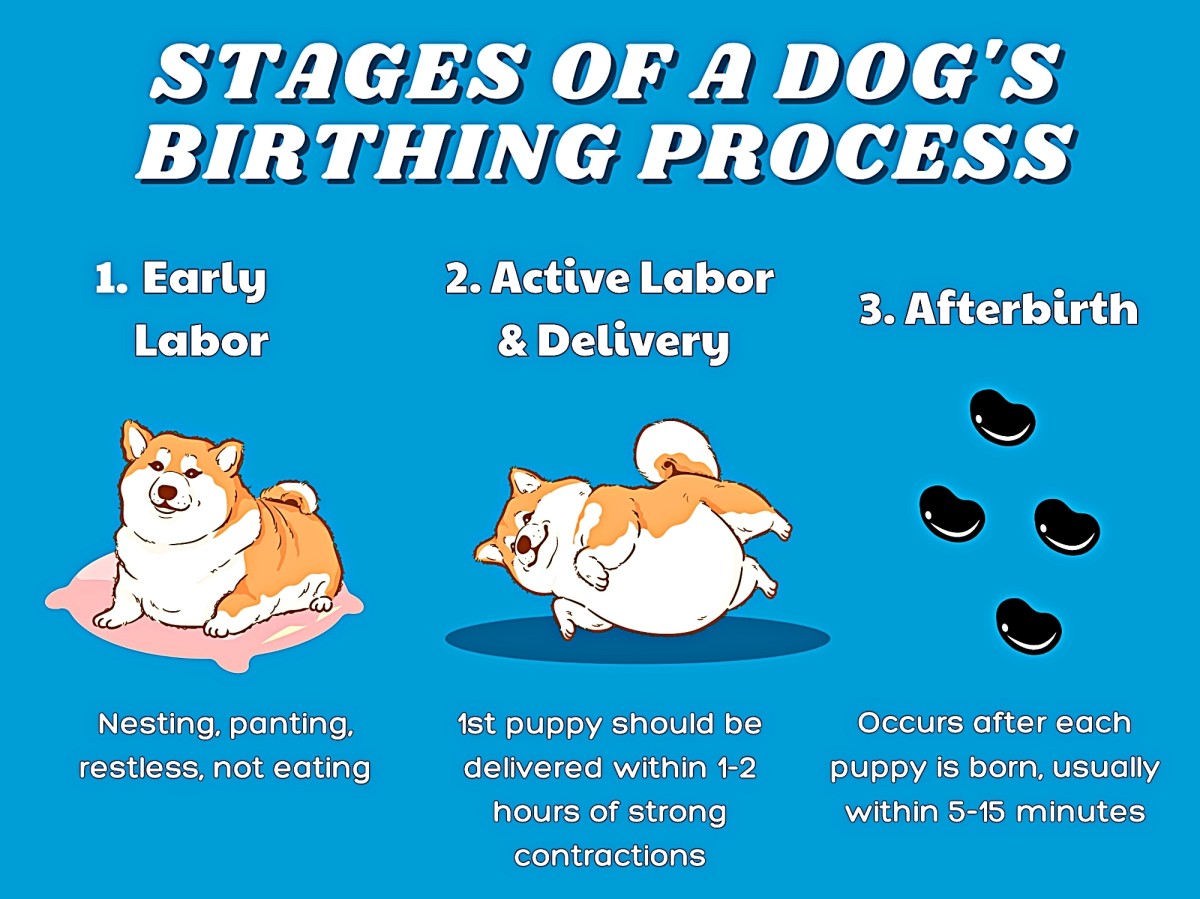
A dog behaviorist online is a professional who evaluates and treats companion animal behavioral concerns through digital video conferencing platforms rather than in-person visits. These consultations typically involve comprehensive video assessments of the animal’s home environment, family interactions, and specific triggers captured on camera. Specialists analyze body language, environmental stressors, and daily routines to formulate structured modification plans. This remote approach relies heavily on owner observation and video recordings, making active participation from the household essential for accurate evaluation and progress tracking. For more related activities, check out our Dog Behavior Before Giving Birth.
Evaluating the Impact on Stress and Learning
Remote behavioral interventions can significantly reduce the acute stress that many dogs experience during traditional clinic visits or when meeting unfamiliar professionals face-to-face. Remaining inside the familiar home environment allows behaviorists to observe authentic reactions to everyday household stimuli, such as delivery personnel at the door or multiple pets interacting within shared spaces. Consequently, tailored guidance focuses on positive reinforcement, desensitization, and counter-conditioning without the confounding anxiety of unfamiliar physical locations. Establishing clear reinforcement histories helps shape desirable responses while maintaining emotional well-being.
The American Pet Products Association reports that households increasingly invest in remote pet services, reflecting a broader shift toward accessible digital veterinary and behavioral support. — American Pet Products Association
Implementing Remote Behavioral Strategies
Applying recommendations from a virtual specialist requires consistent daily execution, clear communication among household members, and careful management of environmental triggers. Guardians must set up recording devices securely to capture target behaviors accurately during virtual follow-up sessions. Establishing predictable routines, utilizing puzzle feeders for mental enrichment, and creating safe zones within the home support the modification process. Collaboration through digital channels depends on accurate reporting and patience, as behavioral change unfolds gradually through structured repetition.
Best Practices and Common Pitfalls in Virtual Training
Successful remote behavioral work demands reliable internet connectivity, clear camera angles, and a distraction-free space for observing the animal during sessions. A frequent misstep involves attempting to showcase only idealized behaviors while hiding the actual problematic episodes out of frustration or embarrassment. Transparency regarding the frequency and intensity of unwanted actions ensures the specialist receives a realistic baseline for intervention. Additionally, relying on intimidation-based methods or harsh corrections should always be avoided, as punishment often exacerbates underlying fear and aggression, potentially worsening the prognosis.
The American Veterinary Medical Association emphasizes that behavioral health is integral to overall animal welfare, noting that environmental enrichment significantly improves quality of life. — American Veterinary Medical Association
Pet Care & Wellness Overview Table
| Life Stage | Daily Activity Level | Key Nutrition / Care Focus |
|---|---|---|
| Puppy / Kitten | High (frequent short bursts) | High-protein growth diet & early socialization |
| Adult Companion | Moderate (30–60 mins daily) | Balanced maintenance nutrition & dental hygiene |
| Senior Pets | Low to Gentle (mindful walks) | Joint support (Glucosamine) & routine vet checks |
Images References



Considering Individual Breed, Age, and Temperament
Every dog responds to behavioral modification differently based on distinct breed heritage, developmental stage, individual temperament, and socialization history. Working with a virtual professional allows for deeply personalized assessments that account for whether a canine companion is an energetic adolescent herding breed or a senior dog experiencing age-related cognitive decline. Younger animals may require structured impulse control and socialization exercises, whereas older dogs might benefit from sensory adaptations around the house. Recognizing these individual nuances prevents applying generalized solutions to complex, multifaceted behavioral profiles.
Recognizing When In-Person Expertise Is Necessary
While remote consultations suit many household management issues, certain severe scenarios require hands-on physical evaluations or veterinary intervention. Severe, escalating aggression directed toward humans or other animals, sudden uncharacteristic reactivity, or extreme self-mutilation demands immediate professional assessment by a qualified veterinarian or a board-certified veterinary behaviorist. Medical conditions, chronic pain, or neurological deficits frequently manifest as behavioral changes, meaning physical examinations and diagnostic testing must rule out underlying pathology before intensive behavior modification proceeds.
Connecting with Trusted Canine Resources
Exploring reliable educational resources empowers guardians to support their animal companions safely and effectively through every life stage. Gaining deeper insights into Dog Behavior helps families interpret subtle canine communication signals long before frustration escalates. Understanding foundational Dog Training principles ensures that remote guidance translates into practical, positive habits at home. For further exploration of specialized needs, investigating different Dog Breeds and appropriate Dog Care standards builds a comprehensive foundation for lifelong companionship. Discover more valuable insights and expert guidance by visiting PetsAnimalsWorld.com.