

Living with a companion animal that displays persistent behavioral concerns presents daily challenges for households, making professional guidance essential for long-term domestic harmony. According to the American Society for Prevention of Cruelty to Animals (ASPCA), behavioral issues are among the primary reasons owners relinquish dogs to shelters, highlighting the critical need for accessible, science-based intervention. Families throughout Central Florida frequently seek specialized expertise to address reactivity, separation distress, and house-training hurdles unique to fast-paced urban and suburban environments. Establishing a balanced approach to these challenges requires understanding both the root causes of canine conduct and the resources available locally.
💡 Pet Care Key Takeaways:
- Core Focus: Practical health, nutrition, and wellness guidelines for Dog Behaviorist Orlando.
- Target Scope: Pet owners, animal caregivers, and veterinary support staff.
- Best Recommendation: Maintain consistent daily routines and consult an accredited veterinarian before introducing major diet or medical changes.
Understanding the Role of a Dog Behaviorist in Orlando
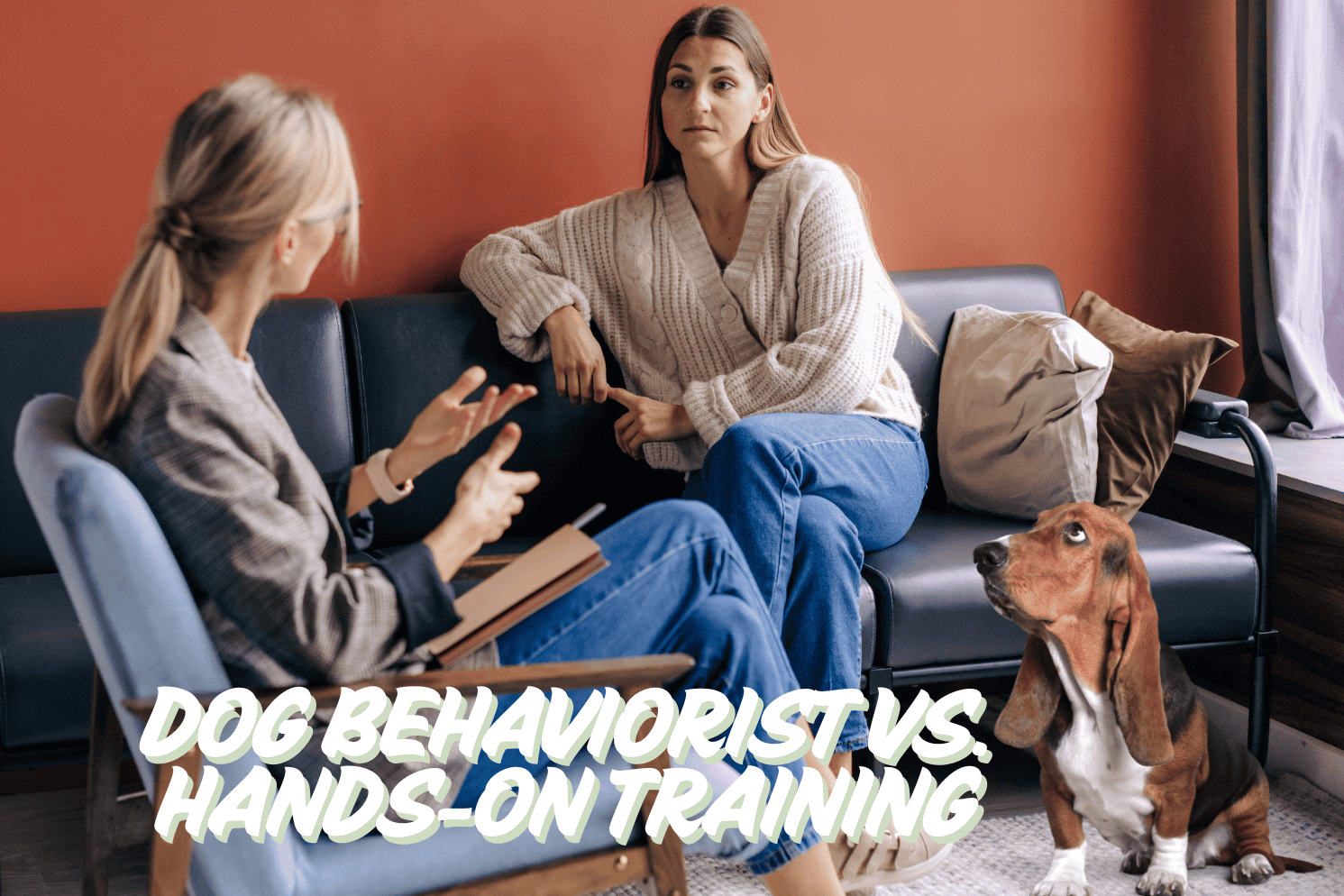
A qualified dog behaviorist in Orlando specializes in assessing complex psychological patterns, emotional triggers, and environmental influences that dictate canine actions. Unlike basic obedience instructors who focus primarily on foundational commands like sit, stay, and come, animal behavior specialists evaluate underlying emotional states such as fear, anxiety, and compulsive tendencies. Applied animal behavior science relies on positive reinforcement and systematic desensitization—a process of gradually exposing a dog to a triggering stimulus at a low intensity while pairing it with rewarding outcomes. This evidence-informed methodology prioritizes humane interaction, avoiding punishment-based techniques that often escalate fear and defensive reactions. Specialists collaborate closely with local veterinarians to rule out underlying medical issues or pain that frequently manifest as sudden behavioral shifts.
The Impact of Environment and Routine on Emotional Well-being
Environmental stressors specific to the Central Florida region, including intense seasonal heat, thunderstorms, and high-density neighborhoods, significantly influence domestic animal stability. High ambient temperatures often limit midday outdoor activity, which can lead to pent-up physical and mental energy if indoor enrichment is neglected. Additionally, sudden tropical storms and fireworks celebrations frequently trigger noise phobias, manifesting as trembling, excessive vocalization, or destructive escape attempts. Addressing these triggers involves creating secure indoor spaces, utilizing predictable daily routines, and implementing cognitive enrichment activities such as puzzle toys and scent games to fulfill natural foraging instincts safely.
Behavioral problems in companion animals are frequently rooted in unmet physical and mental needs or underlying medical discomfort rather than simple disobedience. — American Veterinary Medical Association
Implementing Humane Modification Strategies
Addressing persistent behavioral concerns effectively demands consistency, patience, and structured management of the dog’s surroundings. Management involves modifying the environment to prevent undesirable rehearsals of a behavior, such as using opaque window film to curb fence-fighting or territory-guarding triggered by postal delivery workers. Once management is established, desensitization and counter-conditioning protocols help alter the animal’s emotional response to challenging stimuli. For example, teaching a reactive dog to look toward an owner for a high-value reward when a stranger approaches builds positive associations rather than fear.
Best Practices and Common Mistakes to Avoid
Successful behavioral modification depends on clear communication and realistic expectations regarding the pace of learning. A frequent mistake involves rushing exposure levels, pushing an anxious animal beyond its comfort threshold and triggering a stress response that sets back training progress. Consistency across all household members is paramount; conflicting rules regarding furniture access or greeting protocols create confusion for the dog. Owners should celebrate small milestones and recognize that complex behavioral shifts require weeks or months of dedicated practice. Utilizing Dog Training resources can provide supplementary structure, while ensuring that all techniques remain gentle and cooperative.
Positive reinforcement training methods strengthen the human-animal bond and effectively promote long-term behavioral reliability without inducing fear. — American Kennel Club
Pet Care & Wellness Overview Table
| Life Stage | Daily Activity Level | Key Nutrition / Care Focus |
|---|---|---|
| Puppy / Kitten | High (frequent short bursts) | High-protein growth diet & early socialization |
| Adult Companion | Moderate (30–60 mins daily) | Balanced maintenance nutrition & dental hygiene |
| Senior Pets | Low to Gentle (mindful walks) | Joint support (Glucosamine) & routine vet checks |
Images References





Breed, Age, and Individual Temperament Considerations
Every dog is an individual shaped by a unique combination of genetic predispositions, socialization history, and developmental stage. Herding breeds, for instance, may attempt to control movement within the home by nipping at heels, driven by strong innate instincts that require appropriate redirection. Adolescent dogs experience hormonal surges and neurological development phases that frequently test previously established boundaries, mimicking regression in obedience. Understanding a specific dog’s heritage and life stage prevents unrealistic expectations and allows for tailored care strategies that align with natural tendencies, supporting optimal development alongside Dog Breeds educational insights.
When to Consult a Veterinarian or Professional Behaviorist
Certain behavioral displays require immediate professional intervention to ensure safety and accurately diagnose root causes. Sudden increases in aggression, unexplained house-soiling, lethargy, or repetitive licking warrant a thorough veterinary examination to rule out underlying pain, neurological disorders, or metabolic disease. Furthermore, persistent fear, severe separation anxiety, or generalized reactivity that compromises household safety necessitates referral to a certified applied animal behaviorist or a veterinary behaviorist. These specialists possess the advanced training required to design comprehensive, safe intervention plans that may include behavioral medication when appropriate.
Closing Guidance for Dedicated Owners
Navigating complex behavioral hurdles requires dedication, empathy, and access to accurate, science-based educational materials. By prioritizing humane methods and recognizing the vital connection between physical wellness and emotional stability, owners can foster balanced, confident companions. For further guidance on maintaining a healthy lifestyle, exploring proper nutrition, and understanding Dog Health indicators, visit PetsAnimalsWorld.com alongside resources on general Dog Care.




