

Understanding Canine Conduct and Professional Support in Nebraska
Navigating complex canine conduct challenges requires patience, structured guidance, and a thorough understanding of psychological triggers. According to the American Society for Prevention of Cruelty to Animals (ASPCA), behavioral problems represent a primary reason owners relinquish companion animals, highlighting the critical need for accessible, professional intervention. When household dynamics become strained due to persistent reactivity, fearfulness, or unexpected resource guarding, seeking specialized expertise makes a profound difference. Exploring professional support options provides families with the tools necessary to foster a harmonious, stress-free home environment. Establishing clear lines of communication between humans and their canine companions relies heavily on proven educational strategies and positive reinforcement.
💡 Pet Care Key Takeaways:
- Core Focus: Practical health, nutrition, and wellness guidelines for Dog Behaviorist Omaha.
- Target Scope: Pet owners, animal caregivers, and veterinary support staff.
- Best Recommendation: Maintain consistent daily routines and consult an accredited veterinarian before introducing major diet or medical changes.
Defining the Role of a Dog Behaviorist Omaha Specialists Provide
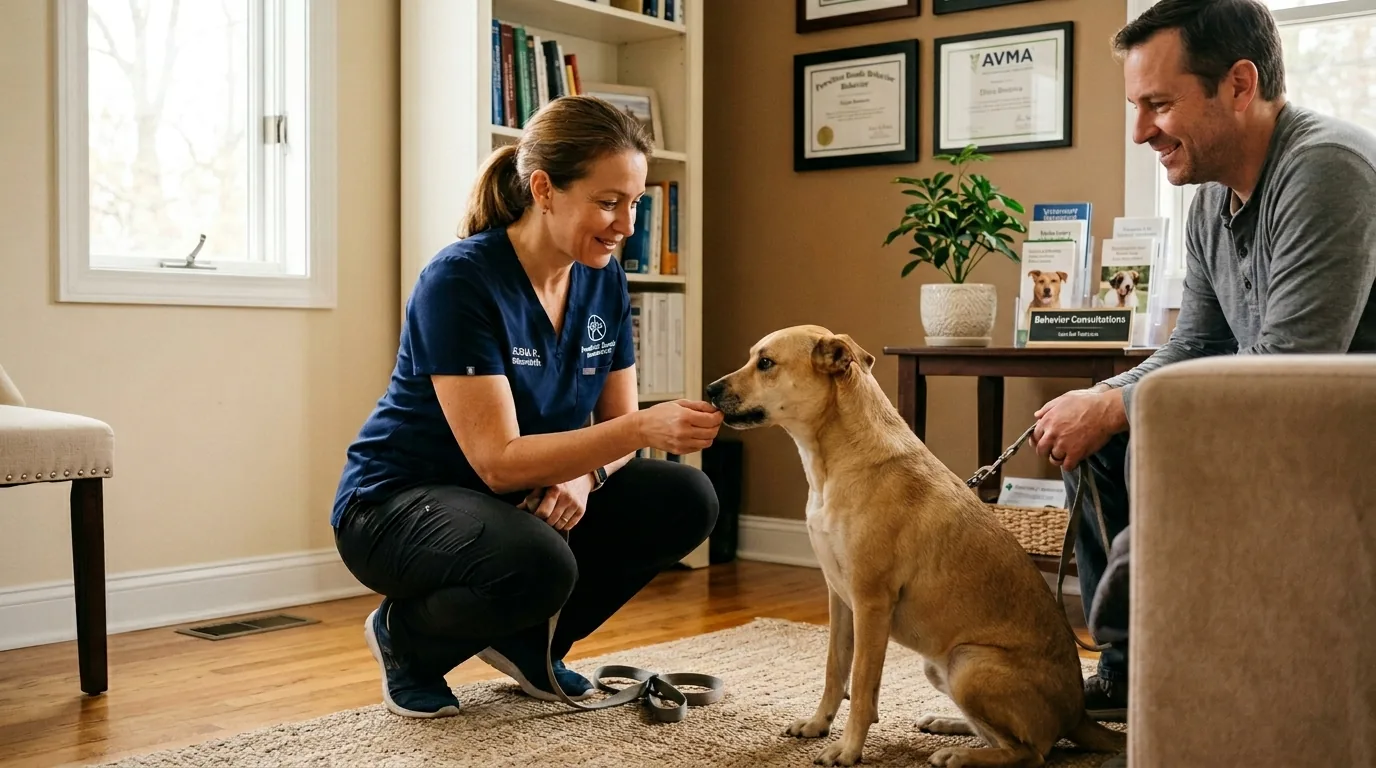
A qualified dog behaviorist Omaha practitioner evaluates complex psychological challenges by analyzing environmental triggers, physiological states, and historical reinforcement patterns. Unlike general obedience instructors who focus primarily on basic commands like sitting or staying, a behaviorist investigates the root causes of distress, such as separation anxiety, compulsive disorders, or severe fear-based responses. Specialists in animal behavior utilize applied behavior analysis to modify how a dog perceives and reacts to stressors in the surrounding environment. This systematic approach replaces unwanted responses with calm, manageable alternatives without relying on punitive or intimidation-based methods. Comprehensive evaluations typically involve reviewing daily routines, social exposure, and medical history to ensure physical discomfort is not fueling the problematic actions. For more related activities, check out our Dog Behaviorist Philadelphia.
The Impact of Behavioral Health on Everyday Quality of Life
Addressing persistent behavioral challenges significantly improves the emotional well-being and physical safety of both the animal and the household members. Unresolved chronic anxiety or reactivity often elevates stress hormones, which compromises immune function and diminishes overall vitality. Conversely, structured behavioral modification encourages mental stimulation, emotional regulation, and deeper trust between the dog and the human family. When animals learn to navigate everyday stimuli without panic or aggression, outdoor excursions and visitor interactions transform from sources of dread into enjoyable experiences. Careful attention to mental health lays a robust foundation for lifelong wellness.
Behavioral issues stemming from fear and anxiety are often successfully managed through systematic desensitization and counterconditioning techniques supervised by qualified professionals. — American Veterinary Medical Association
Implementing Humane Modification Strategies for Canine Challenges
Successfully shifting a companion animal’s habits demands consistency, clear communication, and an emphasis on positive reinforcement. Desensitization—gradually exposing the animal to a trigger at a low intensity that does not provoke a fearful reaction—forms the cornerstone of modern behavior modification. Paired with counterconditioning, which alters the emotional response to that trigger by associating it with high-value rewards, these methods build confidence over time. Creating a predictable daily schedule and managing the physical environment to prevent rehearsal of unwanted actions ensures steady progress. Every small success reinforces desired pathways in the brain, paving the way for lasting behavioral change.
Best Practices and Common Pitfalls in Behavior Modification
Avoiding frustration-driven mistakes is vital when guiding a canine companion through an emotional rehabilitation process. Punishment, yelling, and physical corrections frequently exacerbate fear and anxiety, often masking warning signs like growling while increasing the underlying risk of unexpected aggression. Instead, focus on celebrating minor improvements and maintaining realistic expectations regarding the timeline of behavioral recovery. Consistency among all household members prevents confusion and accelerates learning. Patience remains an indispensable asset, as psychological shifts require time to solidify into reliable habits.
The American Kennel Club emphasizes that positive reinforcement training strengthens the human-animal bond by encouraging dogs to make good choices through clear motivation rather than fear. — American Kennel Club
Pet Care & Wellness Overview Table
| Life Stage | Daily Activity Level | Key Nutrition / Care Focus |
|---|---|---|
| Puppy / Kitten | High (frequent short bursts) | High-protein growth diet & early socialization |
| Adult Companion | Moderate (30–60 mins daily) | Balanced maintenance nutrition & dental hygiene |
| Senior Pets | Low to Gentle (mindful walks) | Joint support (Glucosamine) & routine vet checks |
Images References






Breed, Age, and Temperament Considerations in Behavior
Individual characteristics, genetic predispositions, and developmental stages heavily influence how a dog perceives the world and responds to intervention. Working breeds might display intense herding instincts that manifest as ankle-nipping in a domestic setting, while guardian breeds may require careful socialization to manage natural wariness toward strangers. Senior dogs experiencing cognitive decline can exhibit confusion or changes in temperament that mimic behavioral disorders, necessitating veterinary oversight. Recognizing that every animal possesses a unique temperament ensures that modification plans remain tailored, realistic, and sensitive to the specific needs of the individual dog.
Knowing When to Consult a Veterinary Professional or Specialist
Persistent aggression, severe separation panic, self-injurious habits, or sudden shifts in temperament require immediate consultation with a qualified professional, such as a board-certified veterinary behaviorist or a certified animal behavior consultant. Because underlying medical conditions, chronic pain, and neurological disorders frequently manifest as behavioral changes, a thorough veterinary physical examination is always the recommended starting point. Early professional intervention prevents dangerous escalation and ensures the animal receives an accurate diagnosis. For comprehensive guidance on related topics, explore resources on Dog Behavior and Dog Training.
Supporting Your Canine Companion Through Professional Guidance
Empowering a companion animal to overcome psychological hurdles is a rewarding journey that deepens mutual understanding and strengthens household harmony. By committing to humane, science-based intervention methods and recognizing the value of expert assistance, families create an environment where dogs thrive physically and emotionally. To expand your knowledge on canine wellness, visit PetsAnimalsWorld.com and browse additional expert categories including Dog Care and Dog Health for practical tips on lifelong support.




