Understanding Canine Conduct and Professional Support in Historic Settings
Addressing canine behavioral challenges requires a balanced understanding of learning theory, emotional well-being, and environmental management. According to the American Society for Prevention of Cruelty to Animals (ASPCA), behavioral issues are among the leading reasons owners seek guidance or, tragically, relinquish companion animals, making evidence-based intervention essential for household harmony. When seeking specialized guidance within historic regions such as the city of York, owners often look for professional insights that bridge the gap between traditional obedience and modern applied animal behavior science. Navigating these complexities begins with recognizing that problematic conduct is rarely born out of spite; rather, it typically serves as a symptom of underlying stress, unmet psychological needs, or confusion regarding human expectations.
💡 Pet Care Key Takeaways:
- Core Focus: Practical health, nutrition, and wellness guidelines for Dog Behaviorist York.
- Target Scope: Pet owners, animal caregivers, and veterinary support staff.
- Best Recommendation: Maintain consistent daily routines and consult an accredited veterinarian before introducing major diet or medical changes.
Defining the Role of a Canine Behavioral Specialist
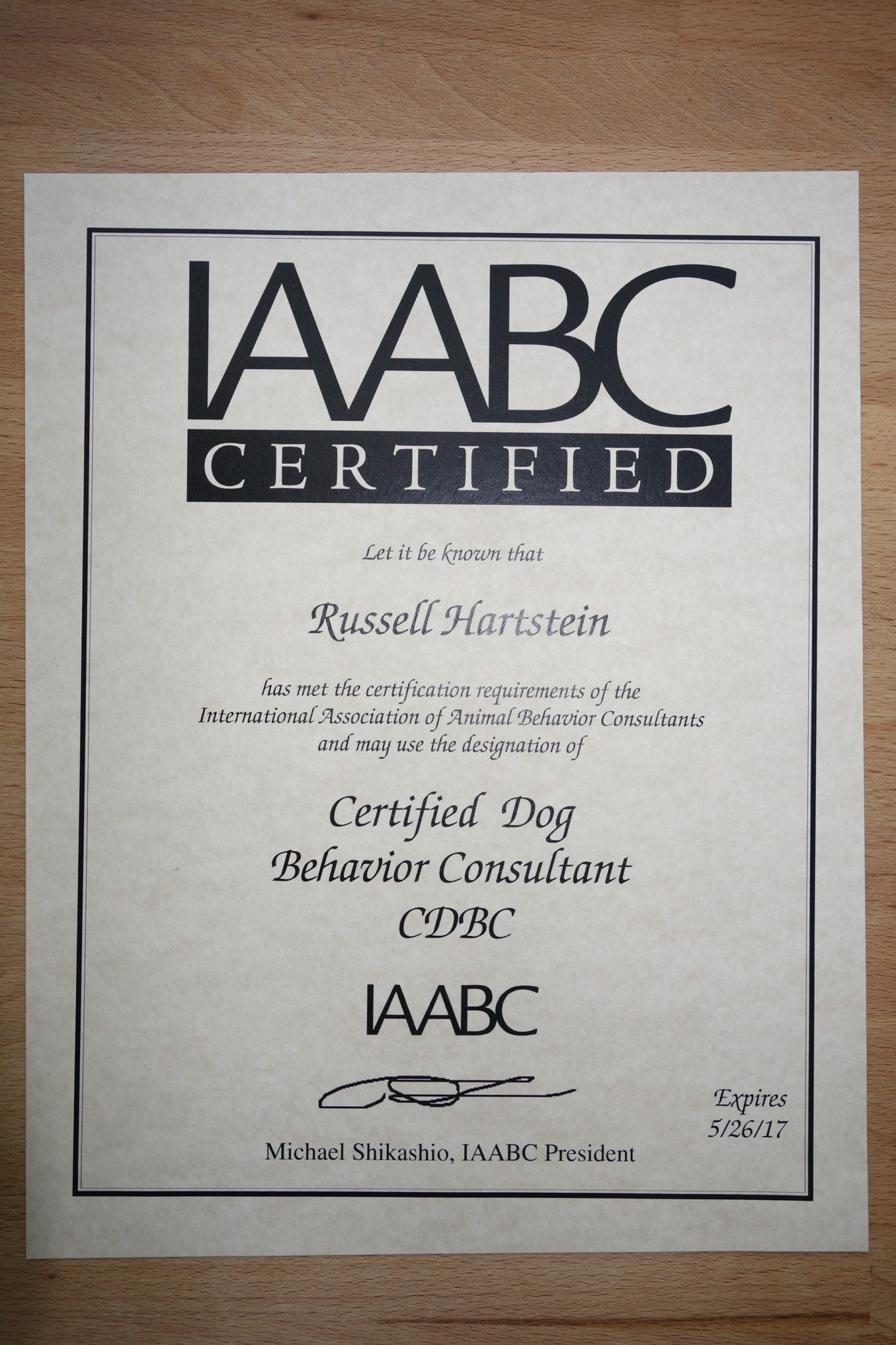
A qualified dog behaviorist focuses on diagnosing and treating serious psychological concerns such as severe anxiety, compulsive habits, and inter-dog or human-directed aggression. Unlike standard obedience trainers who primarily teach fundamental cues like sit, stay, and heel, a behaviorist evaluates the internal emotional states driving observable actions. This process involves a comprehensive functional assessment to identify triggers, reinforcers, and environmental stressors. Professional practitioners operating in and around York utilize humane, science-based methodologies rooted in positive reinforcement rather than punitive measures. By altering the animal’s emotional response to a perceived threat or trigger through systematic desensitization and classical counter-conditioning, specialists help restore psychological equilibrium. For more related activities, check out our Dog Velcro Behavior.
The Impact of Environment and Routine on Emotional Health
Environmental factors play a monumental role in shaping a companion animal’s daily demeanor and stress levels. Chronic exposure to unpredictable stimuli, insufficient physical exercise, or a lack of cognitive enrichment can trigger cortisol spikes, leading to hyper-reactivity, destructive chewing, or compulsive pacing. In dense urban environments or historically preserved districts with narrow pathways and high foot traffic, daily walks can easily become overwhelming for sensitive dogs. Owners must carefully observe body language—such as lip licking, yawning in non-fatigued contexts, tucked tails, or lowered earsets—to catch early signs of distress before escalation occurs. Managing the physical surroundings to eliminate unnecessary triggers provides the brain with crucial resting periods needed for emotional recovery.
Behavioral problems in companion animals are frequently linked to underlying medical discomfort, environmental stressors, or unmet foundational needs rather than simple disobedience. — American Veterinary Medical Association
Implementing Humane Modification Strategies at Home
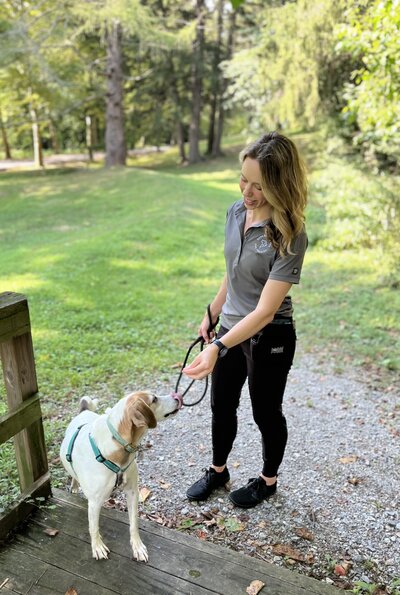
Successful behavioral modification relies on consistency, patience, and the complete absence of aversive techniques that rely on fear or pain. Punitive methods often suppress warning signals like growling, which increases the likelihood of sudden, unprompted bites while severely damaging the trust between human and animal. Instead, management strategies should focus on setting the animal up for success by proactively preventing rehearsal of undesirable habits. For example, installing baby gates, utilizing designated crate areas, or altering walking schedules to avoid crowded times can drastically reduce daily stress. Reinforcing alternative, incompatible actions—such as asking for a stationary target touch when guests arrive instead of jumping—builds reliable habits through positive association.
Best Practices and Common Pitfalls in Modification Plans
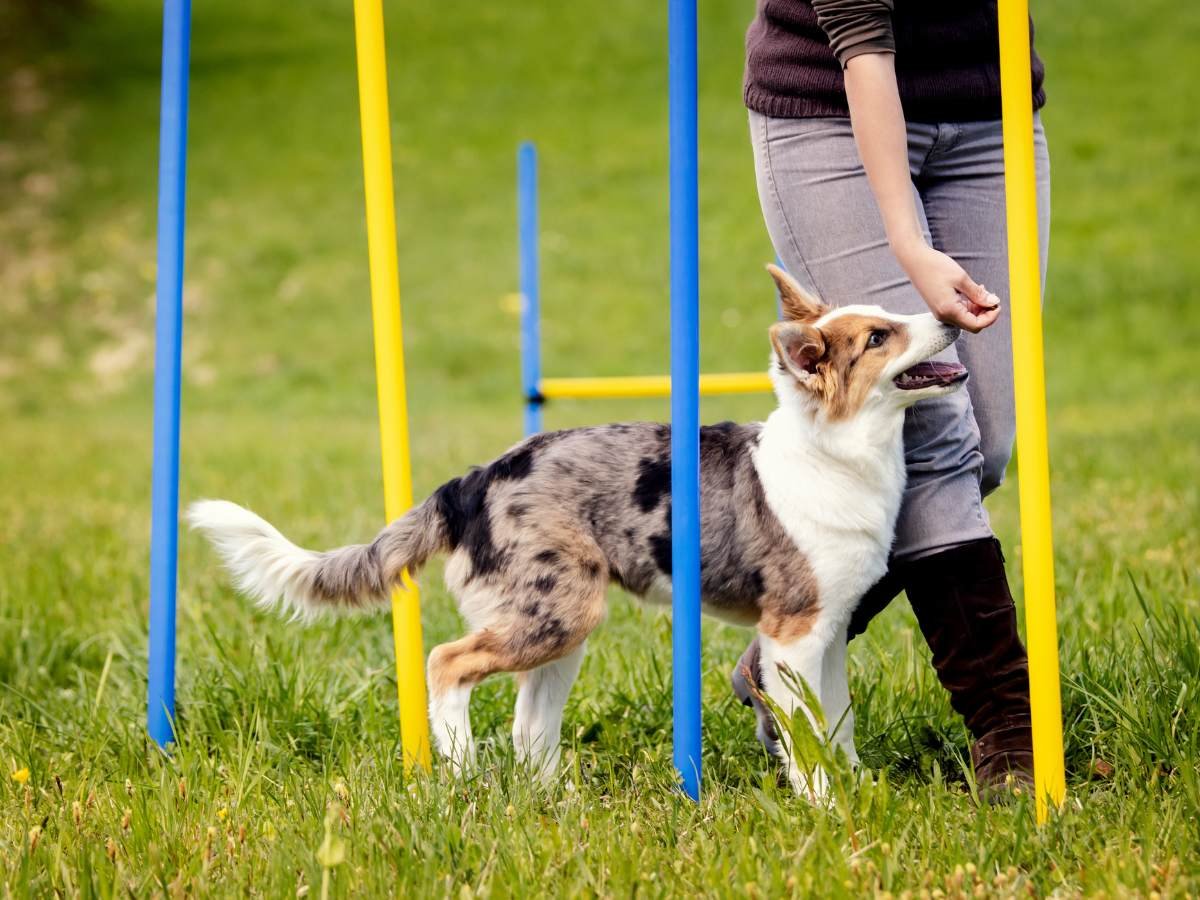
Establishing a reliable routine and maintaining clear communication are paramount when working through behavioral hurdles. A frequent mistake is rushing the desensitization process, exposing the animal to high-intensity triggers before they can comfortably cope at a distance. Progress should always occur at the animal’s individual pace, respecting biological thresholds and signs of fatigue. Furthermore, consistency among all household members prevents mixed signals that create confusion and anxiety. Maintaining a detailed journal tracking daily triggers, environmental changes, and emotional reactions can also help identify subtle patterns that require adjustment during the modification journey.
Positive reinforcement training methods are proven to strengthen the human-animal bond while effectively reducing stress-related problem behaviors in domestic dogs. — American Kennel Club
Pet Care & Wellness Overview Table
| Life Stage | Daily Activity Level | Key Nutrition / Care Focus |
|---|---|---|
| Puppy / Kitten | High (frequent short bursts) | High-protein growth diet & early socialization |
| Adult Companion | Moderate (30–60 mins daily) | Balanced maintenance nutrition & dental hygiene |
| Senior Pets | Low to Gentle (mindful walks) | Joint support (Glucosamine) & routine vet checks |
Images References






Breed Tendencies, Age, and Temperament Factors
Individual predisposition, genetic history, and life stage heavily influence how a dog perceives and reacts to the world. Heritage breeds originally bred for specific tasks, such as guarding, herding, or independent hunting, often retain strong instinctive drives that manifest in modern household settings. A working terrier bred to flush out quarry may exhibit intense focus on small moving objects, while guardian-oriented breeds might show heightened watchfulness toward unfamiliar visitors. Age also dictates behavioral baselines; adolescent dogs experience hormonal shifts that temporarily challenge impulse control, whereas senior canines may suffer from cognitive dysfunction syndrome or sensory decline, leading to confusion and heightened nighttime vocalization.
When to Consult a Veterinary Professional or Specialist
Sudden shifts in demeanor or persistent, severe behavioral concerns always warrant a thorough physical evaluation by a licensed veterinarian. Underlying medical conditions—such as painful joint inflammation, dental disease, neurological disorders, or endocrinopathies—frequently manifest as uncharacteristic aggression, fearfulness, or lethargy. Once medical causes are ruled out or managed alongside behavioral therapy, working with a certified clinical animal behaviorist or a veterinary behaviorist ensures safe, structured intervention. Never attempt to handle severe aggression or panic without professional oversight, as improper handling can jeopardize human safety and worsen the animal’s emotional distress.
Guiding Your Companion Toward Lasting Behavioral Balance
Fostering a well-adjusted canine companion requires ongoing dedication, environmental awareness, and a deep respect for animal sentience. By utilizing humane, science-backed strategies and seeking professional expertise when challenges surpass standard home care, owners pave the way for long-term emotional stability. Explore additional resources on Dog Behavior, Dog Training, Dog Health, and Dog Care to further support your journey. Visit PetsAnimalsWorld.com for more expert guides on keeping your four-legged family members happy and healthy.