

Introduction
Maintaining optimal mobility and comfort is paramount for a dog’s overall quality of life. As beloved companions age, or as a result of genetic predispositions and lifestyle factors, joint health can become a significant concern. Addressing this, the specialized category of dog food for joint health has emerged as a crucial nutritional strategy. This specific type of diet is formulated with ingredients designed to support the structure and function of cartilage, reduce inflammation, and alleviate discomfort associated with joint issues. Understanding the role of these specialized foods can significantly enhance a dogs well-being, improve their daily activity levels, and extend their active years, offering relief and preventative measures for many canine companions.
💡 Pet Care Key Takeaways:
- Core Focus: Practical health, nutrition, and wellness guidelines for Dog Food For Joint Health.
- Target Scope: Pet owners, animal caregivers, and veterinary support staff.
- Best Recommendation: Maintain consistent daily routines and consult an accredited veterinarian before introducing major diet or medical changes.
Common Causes and Key Factors
Joint problems in dogs stem from a variety of factors, often exacerbated or managed through nutritional approaches. A primary cause is the natural aging process, which leads to the gradual wear and tear of cartilage and connective tissues. Over time, this can result in conditions such as osteoarthritis. For more related activities, check out our Breeds Susceptable To Diabetes.
Breed predisposition also plays a significant role. Large and giant breeds, such as German Shepherds, Labrador Retrievers, and Golden Retrievers, are genetically prone to conditions like hip and elbow dysplasia, where the joints do not form correctly. Similarly, some smaller breeds can experience patellar luxation.
Excess body weight places undue stress on a dogs joints, accelerating cartilage degradation and increasing the severity of existing conditions. This mechanical stress is a major contributor to discomfort and reduced mobility.
Past injuries, even those that seem minor at the time, can predispose a joint to future problems. Furthermore, intense or inappropriate exercise, particularly in young, growing dogs, can damage developing joints. Nutritional deficiencies or imbalances during critical growth phases can also impact proper joint development, underscoring the importance of a balanced diet from puppyhood.
Signs and Symptoms to Observe
Recognizing the early signs of joint discomfort is vital for timely intervention. Dog owners often notice subtle changes in their companions behavior and movement patterns.
One of the most common indicators is a noticeable stiffness or lameness, particularly after periods of rest or in the morning. A dog might struggle to rise from a lying position, hesitate before jumping onto furniture, or show reluctance to climb stairs. A decrease in activity levels, such as a reduced desire to play, run, or go for walks, can also signal underlying joint pain.
Changes in gait, such as limping, a ‘bunny hop’ when running, or an altered posture, may become apparent. Some dogs might begin to lick, chew, or guard specific joints, indicating discomfort in those areas. Irritability or a change in temperament when touched around certain joints can also be a symptom. Observing these behavioral and physical cues provides valuable insights into a dog’s joint health, regardless of age, breed, or environmental factors.
Practical Solutions and Management Strategies
Managing and improving joint health often involves a multi-faceted approach, with specialized dog food for joint health forming a cornerstone. These diets are typically enriched with specific nutrients known for their beneficial effects on cartilage and inflammation.
Key ingredients to look for include glucosamine and chondroitin, which are essential building blocks for cartilage repair and maintenance, helping to lubricate joints and improve their shock-absorbing capabilities. Omega-3 fatty acids, particularly EPA and DHA derived from fish oil, are powerful anti-inflammatory agents that can help reduce joint pain and stiffness. Methylsulfonylmethane (MSM) is another common ingredient, valued for its anti-inflammatory and pain-relieving properties.
Antioxidants such as Vitamin E and Vitamin C, along with selenium, protect joint tissues from oxidative damage. Some formulations also include green-lipped mussel extract, known for its comprehensive blend of omega-3s, glucosamine, and chondroitin, offering a synergistic effect. Collagen, another vital protein, supports connective tissue strength and elasticity.
Beyond diet, weight management is critical. Maintaining an ideal body weight significantly reduces the load on joints, mitigating pain and slowing disease progression. Regular, controlled exercise, such as swimming or short, leash-led walks on soft surfaces, can help maintain muscle strength around the joints without causing undue stress. Providing orthopedic beds, using ramps for elevated surfaces, and ensuring a warm, comfortable environment can also contribute significantly to a dogs comfort and mobility.
When Professional Help May Be Needed
While dietary adjustments with dog food for joint health and lifestyle modifications are highly beneficial, there are instances where professional veterinary intervention becomes essential. If a dog exhibits sudden or severe lameness, persistent pain, or a significant decline in mobility despite supportive care, a veterinary consultation is strongly recommended.
A veterinarian can accurately diagnose the underlying cause of joint issues through physical examination, X-rays, and other diagnostic tests. Conditions such as severe osteoarthritis, ligament tears, or advanced dysplasia often require medical management, which may include anti-inflammatory medications, pain relief, or physical therapy. In some cases, surgical options may be discussed to correct structural abnormalities or repair damaged tissues.
Regular veterinary check-ups are also crucial for monitoring the progression of joint conditions and adjusting management strategies as needed. A professional can provide guidance on appropriate prescription diets, supplementary treatments, and a comprehensive care plan tailored to a dogs specific needs.
Conclusion
The importance of proactive and responsive care for canine joint health cannot be overstated. Understanding the benefits and proper application of dog food for joint health stands as a powerful tool in a dog owners arsenal. By focusing on specialized nutrition, managing weight, providing appropriate exercise, and creating a supportive home environment, significant improvements in a dogs comfort and mobility can be achieved. Consistent observation of a dog’s behavior and movement patterns is crucial for early detection, allowing for timely interventions. Ultimately, a holistic approach combining informed dietary choices with regular veterinary oversight ensures that canine companions can enjoy a more active, pain-free, and fulfilling life.
Pet Care & Wellness Overview Table
| Life Stage | Daily Activity Level | Key Nutrition / Care Focus |
|---|---|---|
| Puppy / Kitten | High (frequent short bursts) | High-protein growth diet & early socialization |
| Adult Companion | Moderate (30–60 mins daily) | Balanced maintenance nutrition & dental hygiene |
| Senior Pets | Low to Gentle (mindful walks) | Joint support (Glucosamine) & routine vet checks |
Images References


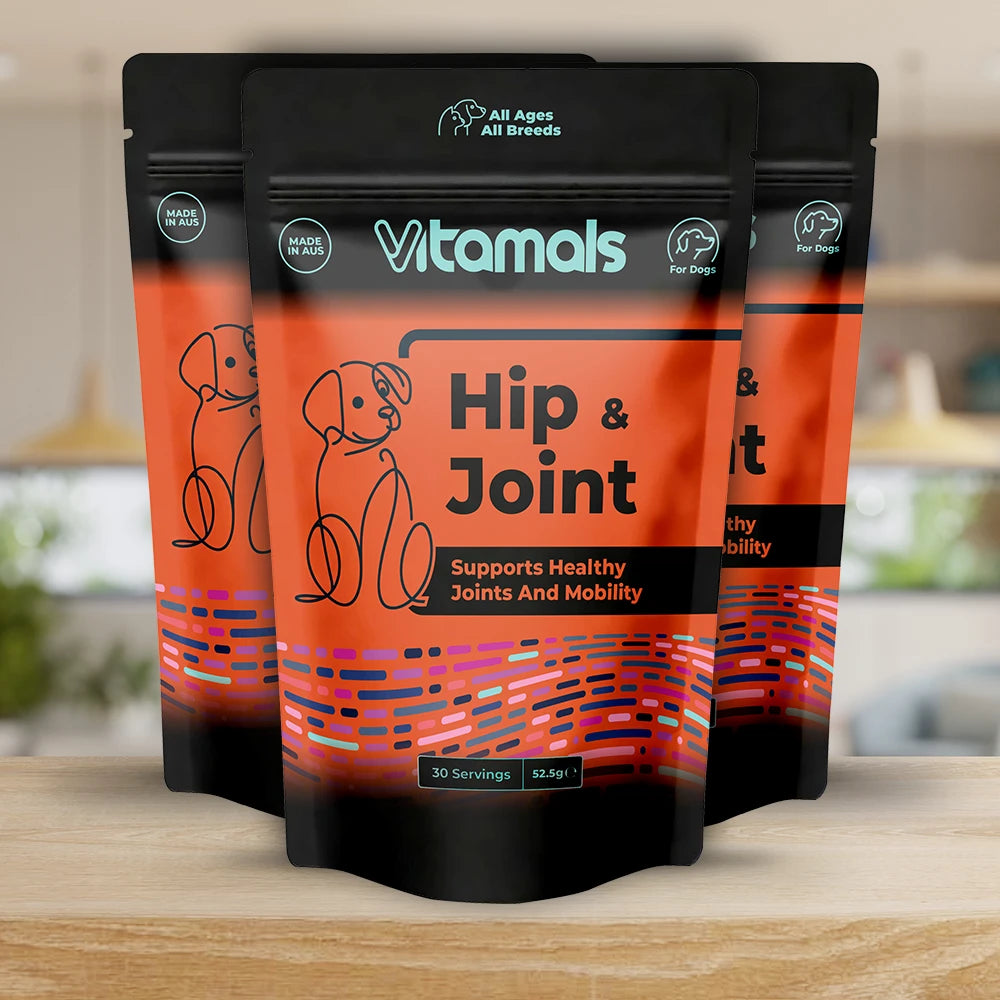

For more expert pet care tips and advice, check out our dedicated Dog Health guides to keep your companions healthy and happy.


