

Introduction
Maintaining robust joint health for dogs is fundamental to their overall well-being and quality of life. Healthy joints enable seamless movement, allowing dogs to run, jump, play, and navigate their environment without discomfort. This crucial aspect of canine care involves the proper functioning of the cartilage, ligaments, and fluid within a dog’s joints, which work together to provide cushioning and flexibility. Issues with joint health can manifest at any age but frequently become more apparent as dogs mature or if they belong to breeds predisposed to certain orthopedic conditions. Understanding the intricacies of joint health empowers dog owners to recognize potential problems early, implement preventative measures, and provide appropriate support, ultimately leading to a more active, comfortable, and joyful existence for their canine companions. Proactive attention to this area can significantly mitigate pain, improve mobility, and extend the active years of a beloved pet.
💡 Pet Care Key Takeaways:
- Core Focus: Practical health, nutrition, and wellness guidelines for Joint Health For Dogs.
- Target Scope: Pet owners, animal caregivers, and veterinary support staff.
- Best Recommendation: Maintain consistent daily routines and consult an accredited veterinarian before introducing major diet or medical changes.
Common Causes and Key Factors
The factors influencing joint health for dogs are multifaceted, often stemming from a combination of genetic, environmental, and lifestyle elements. One of the most prevalent causes is age-related degeneration, where the natural wear and tear over years lead to the thinning of cartilage and reduced joint fluid, culminating in conditions such as osteoarthritis. For more related activities, check out our Sick Pug At Veterinarian.
Breed predisposition plays a significant role, with certain breeds genetically inclined towards specific joint issues. Large and giant breeds, like German Shepherds, Labradors, and Golden Retrievers, are commonly affected by hip and elbow dysplasia, while smaller breeds, such as Chihuahuas and Yorkshire Terriers, may experience patellar luxation. These inherited conditions underscore the importance of responsible breeding practices and early screening.
Excessive weight or obesity places immense, continuous stress on a dog’s joints, accelerating cartilage breakdown and exacerbating existing conditions. The extra burden on hips, knees, and elbows can lead to inflammation and pain, severely impacting mobility.
Injuries and trauma are another direct cause of joint problems. Accidents, falls, or even repetitive high-impact activities can damage ligaments, tendons, or cartilage, leading to acute or chronic joint issues. Similarly, inappropriate exercise regimes, either too strenuous without proper conditioning or too sedentary, can negatively affect joint integrity and muscle support.
Finally, nutritional deficiencies during growth can impair proper bone and joint development. A balanced diet is essential throughout a dog’s life to provide the necessary building blocks for healthy cartilage and strong bones, supporting robust joint health.
Signs and Symptoms to Observe
Recognizing the early indicators of compromised joint health in dogs is crucial for timely intervention and improved outcomes. The signs can vary subtly depending on the dog’s age, breed, and the severity of the condition.
One of the most observable symptoms is limping or lameness, which might be intermittent or persistent. This can range from a slight favoring of a limb to a complete inability to bear weight. Dogs might also exhibit stiffness, particularly after resting or waking up, often struggling to rise from a lying position or appearing rigid when starting to move.
A noticeable reduction in activity levels is another common indicator. Dogs that previously enjoyed long walks, running, or playing may become reluctant to engage in these activities, showing less enthusiasm for exercise or seeking out opportunities to rest more frequently. Difficulty performing actions like climbing stairs, jumping onto furniture or into a vehicle, or even navigating slippery floors can signal underlying joint discomfort.
Behavioral changes can also point to pain or discomfort. An otherwise friendly dog might become irritable or withdrawn, reacting defensively when touched near an affected joint. Some dogs may incessantly lick, chew, or bite at the painful area. Observing changes in gait, such as shorter strides, a hesitant walk, or a “bunny-hopping” motion when running, can also be telling. In some cases, there might be visible swelling, warmth, or tenderness around the joint, or a noticeable loss of muscle mass (atrophy) in the affected limb due due to disuse. Any combination of these signs warrants careful observation.
Practical Solutions and Management Strategies
Effective management of joint health for dogs involves a multi-pronged approach, integrating lifestyle adjustments, dietary considerations, and environmental modifications. Proactive strategies can significantly alleviate discomfort and improve a dog’s mobility.
Weight management is paramount. Maintaining a healthy weight reduces the load on joints, mitigating stress and slowing down the progression of degenerative conditions. This requires a balanced diet, carefully measured portions, and consistent monitoring of caloric intake.
Controlled, low-impact exercise is essential for strengthening supporting muscles without overstraining joints. Activities like swimming, gentle leash walks, and short, controlled play sessions are often recommended over high-impact activities such as aggressive fetching or extensive jumping. Regular, moderate exercise helps maintain joint flexibility and muscle tone.
Nutritional support can play a crucial role. Many specialized dog foods are formulated with ingredients beneficial for joint health, such as glucosamine, chondroitin, and omega-3 fatty acids. Dietary supplements containing these compounds are also widely available and can help support cartilage health and reduce inflammation.
Modifying the home environment enhances a dog’s comfort and safety. Providing orthopedic beds offers superior support and cushioning for resting joints. Installing ramps or steps can help dogs access elevated surfaces like couches or cars, reducing the impact of jumping. Using non-slip rugs or mats on slick floors can prevent falls and reduce strain during movement.
Regular paw care, including nail trims and keeping fur between paw pads short, helps maintain proper gait and foot alignment, which in turn supports overall joint health. Additionally, ensuring a warm sleeping area can help soothe stiff joints, especially in colder climates or during winter months. Gentle, veterinarian-approved massage or range-of-motion exercises can also be beneficial in maintaining flexibility and circulation.
When Professional Help May Be Needed
While diligent observation and home management strategies are valuable, there are clear instances when professional veterinary intervention becomes necessary to properly address joint health for dogs. Recognizing these situations ensures that dogs receive the most appropriate and effective care.
A veterinary consultation is strongly advised if a dog exhibits persistent limping or lameness that does not resolve with a day or two of rest, or if the limping becomes progressively worse. Sudden onset of severe pain, an inability to bear weight on a limb, or yelping when a specific joint is touched are critical signs requiring immediate professional attention.
Visible swelling, heat, or any noticeable deformity around a joint are also red flags that should prompt a visit to the veterinarian. These symptoms can indicate inflammation, infection, or structural damage that requires diagnosis and treatment.
Any significant deterioration in mobility or quality of life despite the implementation of home care strategies signals the need for further evaluation. If a dog becomes withdrawn, shows increased irritability, or avoids activities previously enjoyed due to apparent discomfort, a professional assessment is essential to identify the underlying cause and develop a comprehensive treatment plan.
Veterinarians can conduct physical examinations, utilize diagnostic imaging such as X-rays, and prescribe appropriate medications like anti-inflammatory drugs or pain relievers. They may also recommend advanced treatments, including joint injections, therapeutic laser treatments, formal physical rehabilitation, or, in some cases, surgical interventions to correct structural issues. Regular check-ups are also crucial for preventative care, especially for breeds known to be susceptible to joint conditions, allowing for early detection and management before conditions become severe.
Conclusion
Prioritizing joint health for dogs is an invaluable investment in their long-term comfort, mobility, and overall happiness. From understanding the common causes to recognizing subtle symptoms and implementing proactive management strategies, dog owners have a profound impact on their pets quality of life. By maintaining a healthy weight, providing appropriate exercise, offering nutritional support, and creating a supportive environment, many joint-related issues can be mitigated or managed effectively. Consistent observation and a willingness to seek professional veterinary guidance when necessary are key to addressing concerns promptly and ensuring the best possible outcome. Ultimately, a proactive and informed approach to canine joint health allows dogs to continue enjoying their active lives, enhancing the bond shared with their human companions for years to come.
Pet Care & Wellness Overview Table
| Life Stage | Daily Activity Level | Key Nutrition / Care Focus |
|---|---|---|
| Puppy / Kitten | High (frequent short bursts) | High-protein growth diet & early socialization |
| Adult Companion | Moderate (30–60 mins daily) | Balanced maintenance nutrition & dental hygiene |
| Senior Pets | Low to Gentle (mindful walks) | Joint support (Glucosamine) & routine vet checks |
Images References





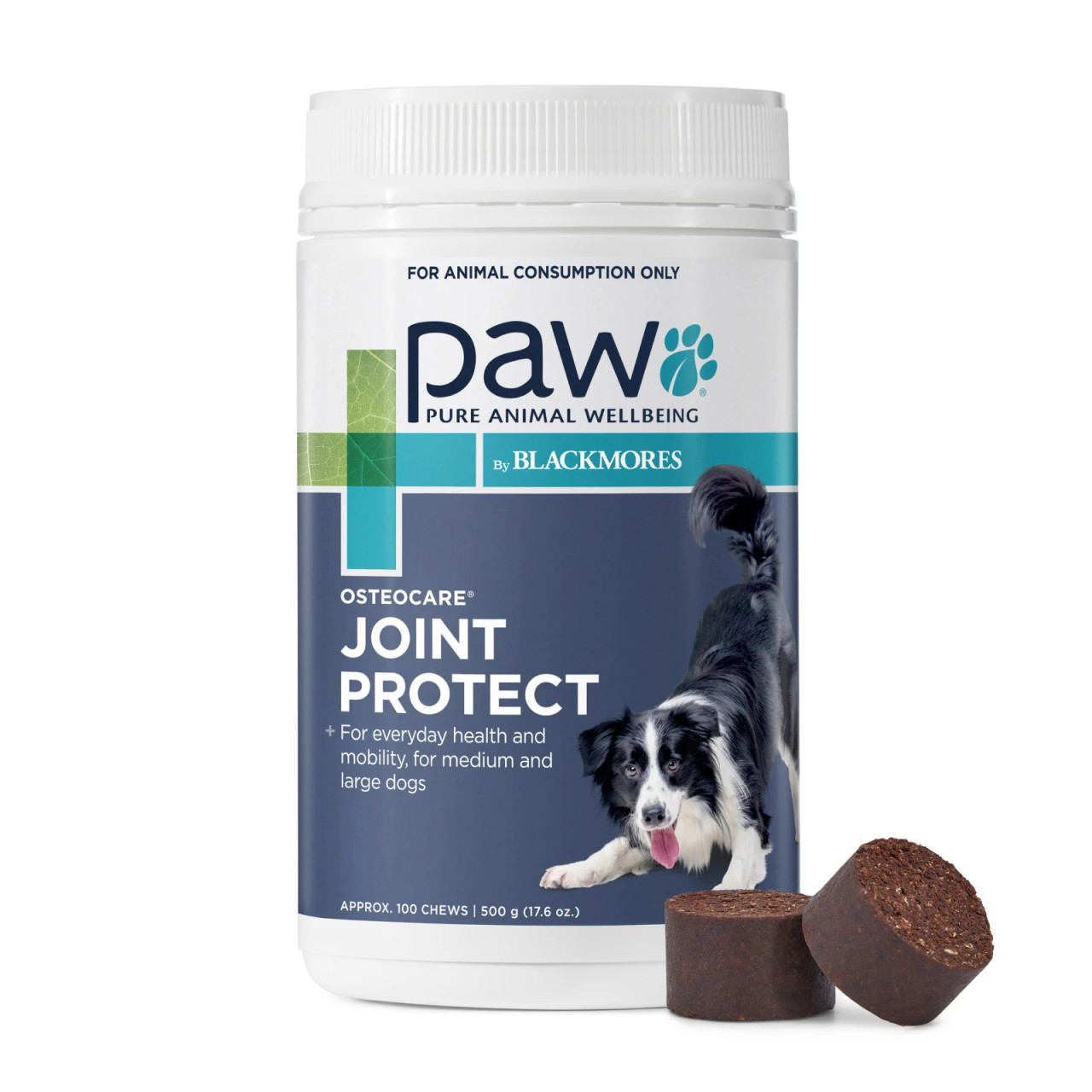



For more expert pet care tips and advice, check out our dedicated Dog Health guides to keep your companions healthy and happy.




