
Introduction
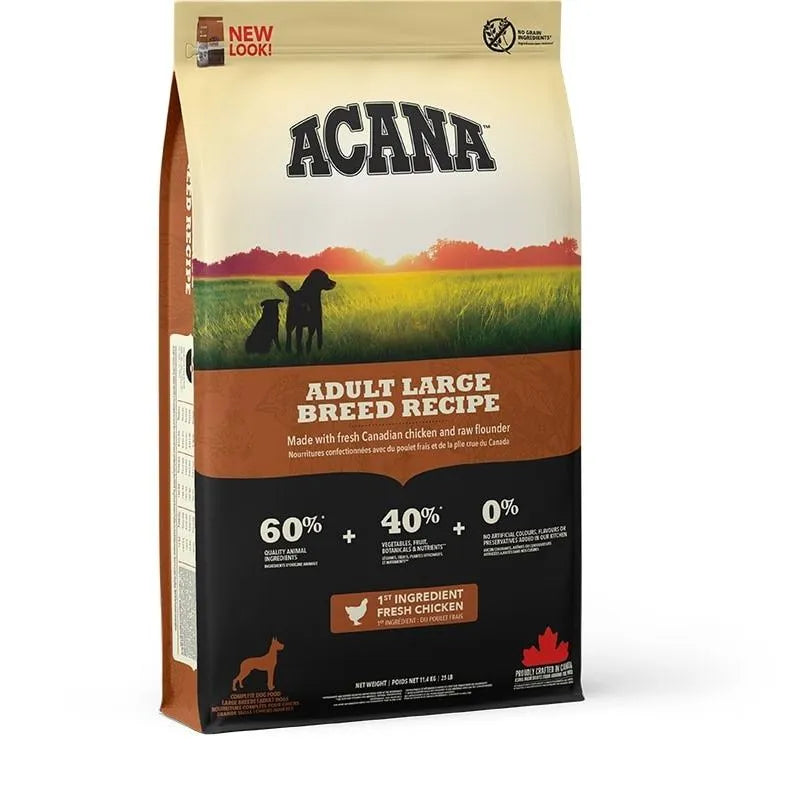
Understanding the specific dietary requirements of larger canines is fundamental for any dedicated pet owner. The term large breed dog food refers to specialized nutritional formulations designed to meet the unique physiological needs of dogs that typically weigh over 50 pounds (22 kg) as adults. This category includes popular breeds such as German Shepherds, Labradors, Golden Retrievers, Great Danes, Rottweilers, and Bernese Mountain Dogs. The importance of appropriate nutrition for these animals cannot be overstated, as their larger size and distinct growth patterns necessitate different balances of nutrients compared to smaller breeds. Ignoring these specific needs can lead to a variety of health issues, from developmental orthopedic diseases in puppies to obesity and joint degeneration in adult and senior dogs. Proper feeding contributes significantly to a dogs long-term health, mobility, and overall quality of life, making the selection of the right large breed dog food a critical decision for responsible pet care.
💡 Pet Care Key Takeaways:
- Core Focus: Practical health, nutrition, and wellness guidelines for Large Breed Dog Food.
- Target Scope: Pet owners, animal caregivers, and veterinary support staff.
- Best Recommendation: Maintain consistent daily routines and consult an accredited veterinarian before introducing major diet or medical changes.
Common Causes and Key Factors
The necessity for specialized large breed dog food stems from several key biological and physiological factors unique to larger canines. Large and giant breed puppies experience a prolonged growth phase, often extending up to 18-24 months. During this period, their skeletal systems develop rapidly, requiring precise control over calorie density and specific mineral ratios, particularly calcium and phosphorus. An excess of calcium or calories can lead to overly rapid growth, predisposing them to orthopedic problems like hip and elbow dysplasia, osteochondrosis dissecans (OCD), and panosteitis. For more related activities, check out our Golden Spanial.
Adult large breeds also have distinct metabolic rates; while they are larger, many are prone to obesity if fed calorie-dense foods designed for smaller, more active dogs, or if overfed. Their substantial body weight places considerable stress on joints, making ingredients that support joint health, such as glucosamine and chondroitin, highly beneficial. Furthermore, deep-chested large breeds are statistically at higher risk for gastric dilatation-volvulus (GDV), commonly known as bloat, a life-threatening condition. While diet alone does not cause bloat, the size and shape of kibble in large breed formulas often encourage slower eating, which can be a mitigating factor. Digestive sensitivities are also common, requiring easily digestible ingredients to support gastrointestinal health.
Signs and Symptoms to Observe
When a large breed dog is not receiving the appropriate nutrition, a range of observable signs and symptoms can emerge, impacting their health and well-being. In puppies, inadequate or imbalanced nutrition can manifest as abnormal growth rates either stunted development or, more commonly, excessively rapid growth. The latter can lead to lameness, stiffness, or an unusual gait, indicating potential orthopedic issues in their developing joints. Owners might notice puppies struggling to rise, showing reluctance to play, or exhibiting signs of pain when moving.
For adult large breed dogs, inappropriate food can result in weight management challenges, leading to either obesity or being underweight. Obesity places additional strain on already vulnerable joints, exacerbating conditions like arthritis, and can reduce overall energy levels. Conversely, if the food lacks sufficient nutrients, dogs may appear lethargic, have a dull coat, or experience excessive shedding. Digestive upset, including frequent bouts of diarrhea, vomiting, or excessive gas, can also be a clear indicator of a diet mismatch. In breeds prone to bloat, signs such as a distended abdomen, unproductive retching, drooling, restlessness, and evident discomfort are critical emergency symptoms that can be exacerbated by inappropriate feeding practices or food types. Observing these signs prompts an immediate evaluation of dietary choices.
Practical Solutions and Management Strategies
Addressing the unique nutritional needs of large breed dogs involves careful selection and consistent management of their diet. The primary solution lies in choosing a commercially prepared food specifically formulated for “large breed” or “giant breed” dogs. These formulas are designed with controlled calorie levels to prevent rapid growth in puppies and obesity in adults, while still providing adequate energy. Look for products that clearly state they meet the nutritional levels established by the Association of American Feed Control Officials (AAFCO) for the dogs specific life stage (puppy, adult, or senior).
For large breed puppies, it is crucial to select formulas with carefully regulated calcium and phosphorus ratios, typically around 1.1:1 to 1.4:1, to support proper skeletal development. Adult and senior large breed foods often include joint-supporting ingredients like glucosamine, chondroitin, and omega-3 fatty acids, which help maintain cartilage health and reduce inflammation. The kibble size in these specialized foods is often larger, encouraging slower eating, which aids digestion and can help reduce the risk of bloat in susceptible breeds.
Feeding practices also play a vital role. Dividing daily food portions into two or more smaller meals can improve digestion and potentially lower the risk of bloat. Using slow-feeder bowls can also prevent dogs from consuming their meals too quickly. Regular monitoring of a dogs body condition score is essential to ensure they maintain a healthy weight. Adjustments to feeding amounts should be made based on activity level, age, and individual metabolism, rather than strictly adhering to bag recommendations. Gradually transitioning to any new food over 7-10 days can prevent gastrointestinal upset.
When Professional Help May Be Needed
While diligent attention to a large breed dogs diet can prevent many issues, certain situations warrant immediate professional veterinary consultation. Persistent or severe digestive disturbances, such as chronic vomiting, diarrhea, or a sudden onset of symptoms suggestive of bloat (distended abdomen, unproductive retching, evident discomfort), demand emergency veterinary care. Any signs of lameness, stiffness, reluctance to move, or visible pain, particularly in growing puppies or older dogs, should prompt a visit to the veterinarian to assess for orthopedic conditions.
Significant unexplained weight loss or gain, a sudden decrease in appetite, or a complete refusal to eat also indicate underlying health issues that require professional diagnosis. If a dogs coat quality deteriorates despite a high-quality diet, or if behavioral changes appear to be linked to discomfort or nutritional deficiencies, veterinary insight can be invaluable. Owners who find it challenging to determine the most suitable large breed dog food, proper portion sizes, or who have concerns about specific breed predispositions should seek guidance from a veterinarian or a certified veterinary nutritionist. These professionals can provide tailored dietary recommendations and rule out any underlying medical conditions.
Conclusion
The specific nutritional needs of large and giant breed dogs underscore the critical importance of selecting and managing appropriate large breed dog food throughout their lives. From the controlled growth essential for puppies to the joint support and weight management required for adults and seniors, tailored nutrition forms the cornerstone of their health and longevity. Awareness of key factors like rapid growth rates, joint susceptibility, and metabolic differences empowers owners to make informed dietary choices. Consistent observation for signs of dietary imbalance or health issues, coupled with proactive feeding strategies, ensures a large dog receives the precise nutrients necessary for thriving. By prioritizing specialized nutrition and consulting veterinary professionals when concerns arise, owners provide their magnificent companions with the best possible foundation for a happy, active, and fulfilling life.
Pet Care & Wellness Overview Table
| Life Stage | Daily Activity Level | Key Nutrition / Care Focus |
|---|---|---|
| Puppy / Kitten | High (frequent short bursts) | High-protein growth diet & early socialization |
| Adult Companion | Moderate (30–60 mins daily) | Balanced maintenance nutrition & dental hygiene |
| Senior Pets | Low to Gentle (mindful walks) | Joint support (Glucosamine) & routine vet checks |
Images References




For more expert pet care tips and advice, check out our dedicated Dog Breeds guides to keep your companions healthy and happy.


