
Introduction
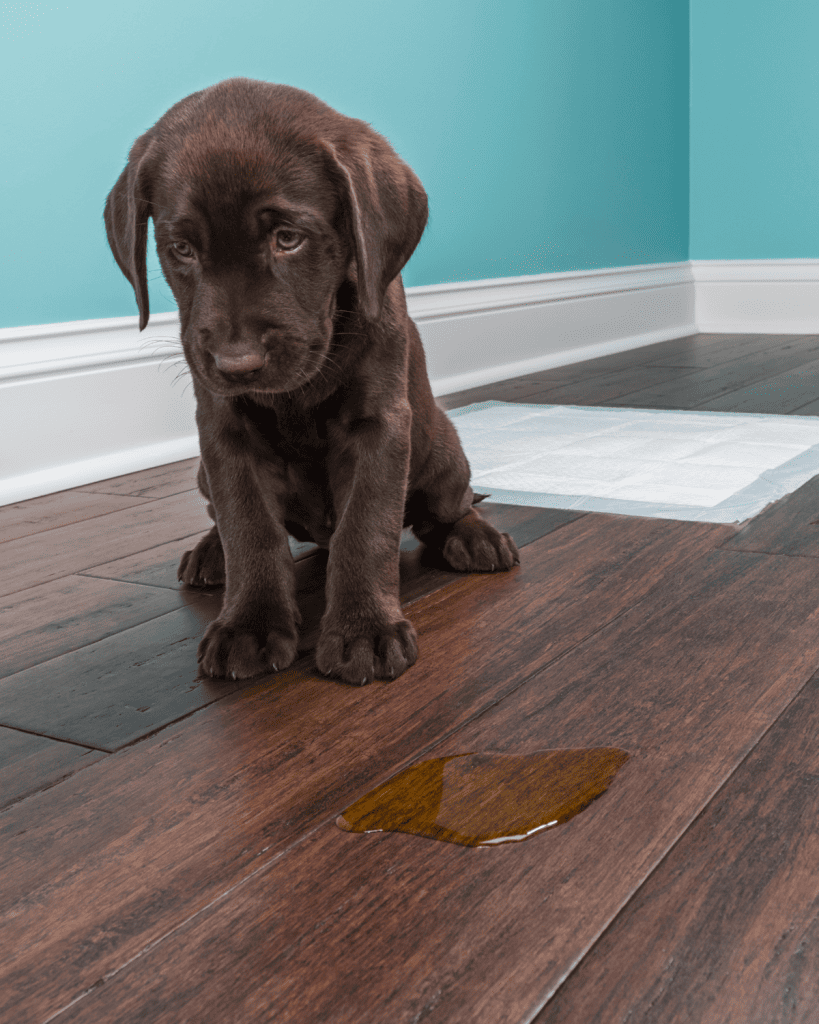
The sight of a shredded potty pad is a familiar and often frustrating experience for many new puppy owners. Puppy chewing potty pads is a common behavioral challenge, signifying that a young canine is not only exploring its environment but also potentially communicating underlying needs. This issue extends beyond simple household mess; it can pose health risks if pieces are ingested, disrupt house-training progress, and contribute to owner stress. Understanding why puppies engage in this behaviorwhether it’s due to teething discomfort, boredom, anxiety, or simple explorationis the crucial first step. Addressing this specific behavior effectively helps to foster better habits, ensures a puppy’s safety, and ultimately contributes to a more harmonious household, enhancing the dogs overall well-being and quality of life within its family.
💡 Pet Care Key Takeaways:
- Core Focus: Practical health, nutrition, and wellness guidelines for Puppy Chewing Potty Pads.
- Target Scope: Pet owners, animal caregivers, and veterinary support staff.
- Best Recommendation: Maintain consistent daily routines and consult an accredited veterinarian before introducing major diet or medical changes.
Common Causes and Key Factors
Several factors contribute to a puppy chewing potty pads, often in combination. One of the most prevalent reasons is teething. Like human babies, puppies experience discomfort as their adult teeth emerge, typically between three and six months of age. Chewing provides relief for sore gums, and the texture of a potty pad can be particularly satisfying for this purpose. For more related activities, check out our Dog Care Electric Collar.
Boredom and lack of mental stimulation are also significant contributors. Puppies possess abundant energy and a natural drive to explore and interact. When insufficient outlets for this energy are provided, they may resort to destructive behaviors, with a potty pad becoming an easily accessible target.
Anxiety or stress can also manifest as inappropriate chewing. Separation anxiety, changes in routine, or a new environment can trigger a puppy to chew as a coping mechanism. Similarly, a desire for attention-seeking can lead to this behavior; if a puppy learns that shredding a pad consistently elicits a reaction from its owners, it may repeat the action for the attention, even if it is negative.
Furthermore, natural exploratory behavior means puppies learn about their world through their mouths. The unique texture and sometimes intriguing scent (even residual urine) of a potty pad can make it an appealing object for investigation. A puppy may simply be curious and not yet understand what is and is not an appropriate chew item.
Signs and Symptoms to Observe
Observing a puppy chewing potty pads is often the most direct indicator of the behavior. Owners might find pads torn, shredded into small pieces, or even completely dismantled around the designated potty area. Missing pieces of the pad are particularly concerning as they suggest ingestion, which can lead to digestive issues or blockages.
The timing of the chewing can also provide clues. If the behavior primarily occurs when a puppy is unsupervised, left alone, or during periods of low activity, it may point towards boredom or anxiety. Conversely, if it happens shortly after waking or meals, alongside other oral exploration, it could indicate teething discomfort.
Beyond the visible damage to the pads, a puppy might exhibit other subtle signs related to the underlying cause. Excessive vocalization (whining or barking) when left alone, pacing, or reluctance to settle could accompany chewing if anxiety is a factor. In cases of ingestion, symptoms such as vomiting, decreased appetite, lethargy, or changes in stool consistency (diarrhea or constipation) warrant immediate attention. The presence and severity of these signs can vary depending on a puppy’s age, breed-specific chewing tendencies, and individual temperament.
Practical Solutions and Management Strategies
Managing puppy chewing potty pads requires a multi-faceted approach focusing on prevention, redirection, and consistent training. Supervision is paramount; a puppy should not be left unsupervised with potty pads until it has demonstrated consistent appropriate behavior. When direct supervision is not possible, utilizing a secure crate or a puppy-proofed area can prevent access to pads and other inappropriate chew items.
Providing appropriate chew toys is crucial for redirecting natural chewing instincts. A variety of safe, durable, and appealing toys should be offered, including those designed for teething relief. Rotating these toys keeps a puppy engaged and interested. When a puppy attempts to chew a pad, it should be gently interrupted and immediately offered an approved chew toy instead, followed by praise and positive reinforcement when it engages with the toy.
Environmental enrichment can significantly reduce boredom-induced chewing. This includes engaging a puppy in regular play sessions, providing puzzle feeders that dispense treats, and incorporating short, fun training sessions throughout the day. Adequate physical exercise, appropriate for a puppy’s age and breed, also helps to burn excess energy and promote calm behavior.
Securing potty pads can deter some chewing. Pad holders or frames that keep the pad taut and off the floor can make it less appealing to tear. Gradually transitioning away from potty pads to outdoor elimination can also resolve the issue entirely. Consistent outdoor potty training, with frequent trips outside and lavish praise for success, reinforces the desired behavior. If chewing appears to be attention-seeking, ignoring the behavior while calmly removing the pad and then redirecting to an appropriate toy can be effective, provided it is not linked to a health risk.
When Professional Help May Be Needed
While many cases of puppy chewing potty pads can be managed with consistent owner intervention, certain situations warrant professional consultation. Excessive or repeated ingestion of potty pad material is a significant concern. If a puppy frequently eats pieces of the pad, especially if it leads to vomiting, lethargy, loss of appetite, or difficulty passing stool, immediate veterinary attention is essential. Ingested foreign bodies can cause gastrointestinal blockages, which are serious and potentially life-threatening conditions requiring surgical intervention.
Furthermore, if the destructive chewing persists despite consistent application of the aforementioned management strategies, or if it extends to other inappropriate household items, a certified professional dog trainer or a veterinary behaviorist can provide invaluable assistance. These experts can accurately assess the root cause of the behavior, whether it stems from severe anxiety, underlying medical conditions, or deeply ingrained behavioral patterns, and develop a customized training and modification plan.
Owners who feel overwhelmed, frustrated, or are struggling to make progress should also consider seeking professional guidance. A qualified professional can offer tailored advice, support, and practical techniques to help overcome the challenge, ensuring both the puppy’s well-being and the owner’s peace of mind.
Conclusion
Puppy chewing potty pads is a prevalent developmental behavior that, while challenging, is highly manageable with the right approach. Understanding the underlying motivationsbe it teething discomfort, boredom, anxiety, or simple curiosityis the cornerstone of effective intervention. Through a combination of proactive supervision, providing appropriate chew outlets, enriching a puppy’s environment, and consistent, positive training methods, owners can redirect this natural instinct towards desirable behaviors. Patience, consistency, and a supportive attitude are essential throughout this learning process. By addressing this common issue with informed strategies, owners can not only safeguard their puppy’s health and maintain a clean home but also strengthen the bond with their developing companion, paving the way for a well-adjusted and happy life together.
Pet Care & Wellness Overview Table
| Life Stage | Daily Activity Level | Key Nutrition / Care Focus |
|---|---|---|
| Puppy / Kitten | High (frequent short bursts) | High-protein growth diet & early socialization |
| Adult Companion | Moderate (30–60 mins daily) | Balanced maintenance nutrition & dental hygiene |
| Senior Pets | Low to Gentle (mindful walks) | Joint support (Glucosamine) & routine vet checks |
Images References



For more expert pet care tips and advice, check out our dedicated Dog Behavior guides to keep your companions healthy and happy.




