Introduction
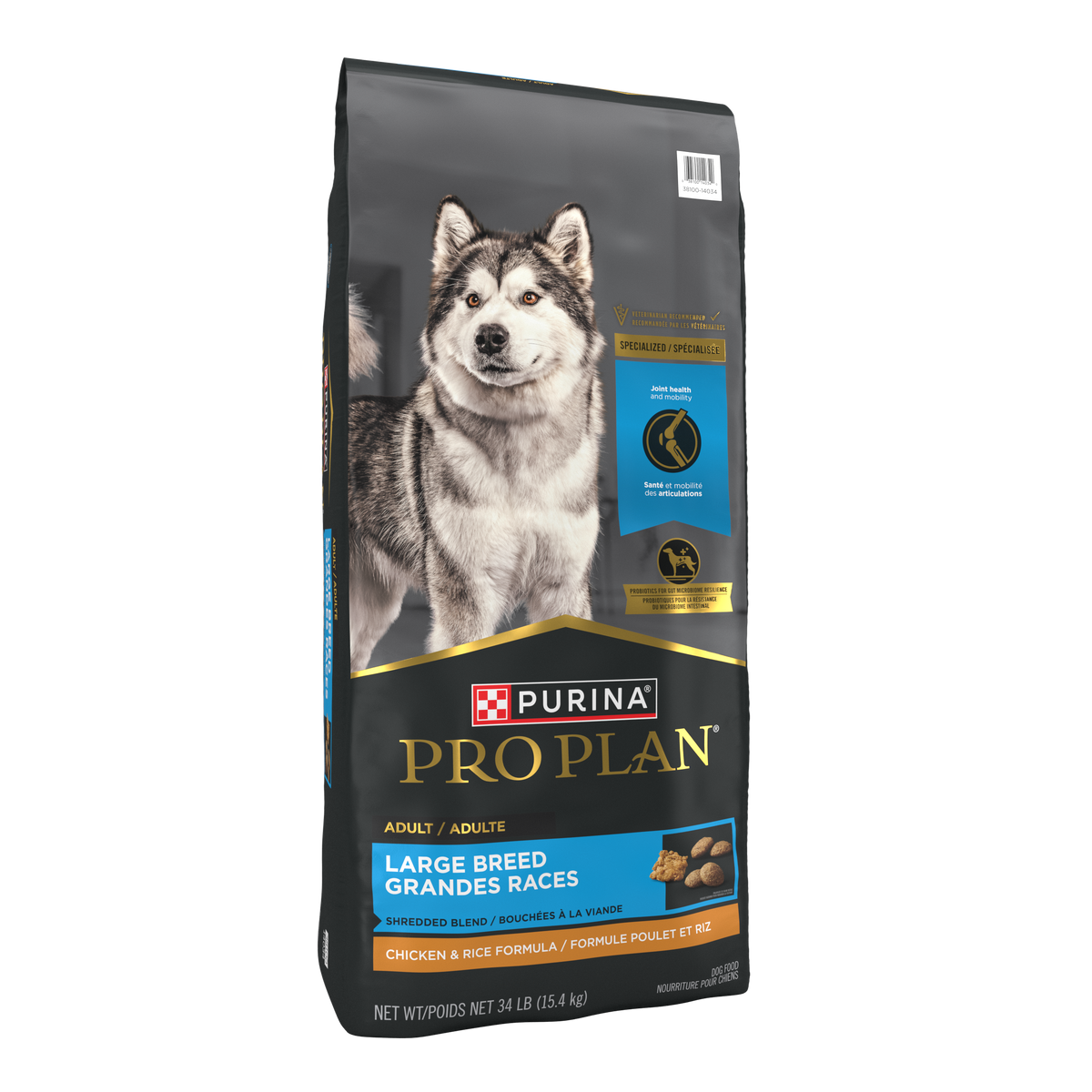
Ensuring optimal health and longevity for canine companions is a primary goal for any devoted pet owner. For those with larger dog breeds, understanding their unique nutritional requirements is particularly crucial. This is where specialized diets, such as those provided by Purina Pro Plan Large Breed formulas, come into focus. These diets are not merely scaled-up versions of standard dog food; they are meticulously formulated to address the distinct physiological challenges and developmental needs inherent to larger dogs. From supporting robust bone and joint health during rapid growth phases to maintaining an ideal body condition in adulthood, the specific composition of a large breed diet plays a pivotal role. Recognizing the importance of tailored nutrition can significantly enhance a large dog’s well-being, mitigate common health concerns, and contribute to a vibrant, active life.
💡 Pet Care Key Takeaways:
- Core Focus: Practical health, nutrition, and wellness guidelines for Purina Pro Plan Large Breed.
- Target Scope: Pet owners, animal caregivers, and veterinary support staff.
- Best Recommendation: Maintain consistent daily routines and consult an accredited veterinarian before introducing major diet or medical changes.
Common Causes and Key Factors
The unique nutritional demands of large breed dogs stem from several key biological and developmental factors. Large breeds, defined typically by an adult weight exceeding 50 pounds (approximately 23 kg), experience a rapid growth phase that can last up to two years, significantly longer than smaller breeds. During this critical period, controlled growth is paramount to prevent skeletal issues. Excessive calorie intake or an imbalance in calcium and phosphorus can lead to developmental orthopedic diseases, such as hip and elbow dysplasia, which are more prevalent in larger dogs. For more related activities, check out our Dahwund Golden.
Furthermore, the sheer body mass of large breeds places greater stress on their joints throughout their lives, necessitating dietary support for cartilage and connective tissues. Their larger digestive systems may also benefit from specific fiber blends to promote healthy digestion and nutrient absorption. Metabolic rates can also differ, requiring a caloric density that supports energy levels without contributing to obesity, a condition that further exacerbates joint problems. These factors underscore why a generalist approach to canine nutrition may fall short for these magnificent animals. Discover more free resources across our collection library.
Signs and Symptoms to Observe
The benefits of appropriate large breed nutrition, or conversely, the drawbacks of an inadequate diet, can manifest in several observable signs. A dog thriving on a well-suited diet often exhibits a healthy, lustrous coat, clear eyes, consistent energy levels appropriate for its age, and well-formed stools, indicating good digestive health. Body condition should be lean, with ribs easily palpable but not visible, and a discernible waist.
Conversely, signs that a diet may not be meeting a large breed’s needs include dull coat, dry skin, lethargy beyond typical resting, and irregular bowel movements. More concerning indicators can include limping, stiffness, difficulty rising, or reluctance to engage in usual activities, which may point to joint discomfort or developing orthopedic issues. Unexplained weight gain or loss, along with persistent digestive upset, are also crucial signals that a nutritional review is warranted. These signs can vary with a dog’s age and activity level, requiring attentive observation from owners.
Practical Solutions and Management Strategies
Implementing a specialized large breed formula, such as Purina Pro Plan Large Breed, offers a practical solution to these specific nutritional needs. These diets are typically formulated with precise protein-to-fat ratios to support lean muscle mass without promoting excessive weight gain. Key nutrients often included are glucosamine and chondroitin, vital for supporting joint health and cartilage maintenance, which are particularly beneficial for preventing and managing joint discomfort in larger dogs.
Furthermore, large breed formulas often feature controlled calcium and phosphorus levels to promote slow and steady growth in puppies, reducing the risk of skeletal developmental issues. Omega-3 fatty acids, like EPA and DHA, contribute to skin and coat health, reduce inflammation, and support cognitive function. Proper portion control is equally essential; adhering to the feeding guidelines provided on the food packaging, adjusted for a dog’s individual activity level and metabolic rate, prevents overfeeding and obesity. Transitioning a dog to a new food should be done gradually over 7-10 days to avoid digestive upset.
When Professional Help May Be Needed
While specialized large breed diets provide an excellent foundation for canine health, certain situations warrant professional veterinary consultation. If a dog exhibits persistent lameness, significant changes in appetite or weight, chronic digestive issues despite dietary adjustments, or any signs of pain or discomfort, a veterinarian should be consulted promptly. These symptoms could indicate underlying medical conditions that require diagnosis and specific treatment beyond nutritional management.
Additionally, for dogs with pre-existing conditions such as advanced arthritis, allergies, or metabolic disorders, a veterinarian or a veterinary nutritionist can provide tailored dietary recommendations. They can assess a dog’s individual health profile, recommend specific therapeutic diets if necessary, and ensure that nutritional choices align with overall medical management. Regular veterinary check-ups also provide opportunities to discuss a dog’s diet and overall health, ensuring that the chosen feeding strategy continues to meet its evolving needs.
Conclusion
The well-being of a large breed dog is profoundly influenced by the quality and appropriateness of its nutrition. Specialized formulas, such as those within the Purina Pro Plan Large Breed range, are designed to address the unique physiological requirements of these majestic animals, supporting everything from controlled growth in puppies to robust joint health and lean body mass in adulthood. Awareness of these specific needs, diligent observation of a dog’s health indicators, and consistent application of appropriate feeding strategies are paramount. By prioritizing tailored nutrition and seeking professional guidance when necessary, owners can provide their large breed companions with the best possible foundation for a long, healthy, and happy life, embodying the educational mission of petsanimalsworld.com to empower informed pet care.
Pet Care & Wellness Overview Table
| Life Stage | Daily Activity Level | Key Nutrition / Care Focus |
|---|---|---|
| Puppy / Kitten | High (frequent short bursts) | High-protein growth diet & early socialization |
| Adult Companion | Moderate (30–60 mins daily) | Balanced maintenance nutrition & dental hygiene |
| Senior Pets | Low to Gentle (mindful walks) | Joint support (Glucosamine) & routine vet checks |
Images References