

Introduction
Understanding the phrase “renal diet dog food” is crucial for countless dog owners committed to their pets’ long-term health. This specialized nutritional approach refers to foods specifically formulated to support kidney function in dogs diagnosed with kidney disease. Kidneys play a vital role in filtering waste products from the blood, regulating blood pressure, and maintaining electrolyte balance. When these organs become compromised, dietary changes become a cornerstone of managing the condition, significantly impacting a dogs well-being and overall quality of life. An appropriate renal diet helps to reduce the workload on the kidneys, slow the progression of the disease, and alleviate uncomfortable symptoms, thereby enhancing comfort and longevity.
💡 Pet Care Key Takeaways:
- Core Focus: Practical health, nutrition, and wellness guidelines for Renal Diet Dog Food.
- Target Scope: Pet owners, animal caregivers, and veterinary support staff.
- Best Recommendation: Maintain consistent daily routines and consult an accredited veterinarian before introducing major diet or medical changes.
Common Causes and Key Factors
Kidney disease in dogs can arise from various factors, leading to the necessity of a renal diet. Chronic kidney disease (CKD) is often age-related, becoming more prevalent in older dogs, but it can also be influenced by genetics in certain breeds. Other contributing factors include infections, exposure to toxins, dental disease, prolonged inflammation, and other concurrent medical conditions such as pancreatitis or certain cancers. Acute kidney injury (AKI) can result from sudden exposure to poisons, severe infections, or a sudden drop in blood pressure, potentially also requiring dietary modification during recovery. The specific formulation of renal diet dog food addresses key nutritional imbalances that occur as kidney function declines. These diets are typically characterized by controlled levels of protein, reduced phosphorus, and often include beneficial additions like omega-3 fatty acids and specific vitamin complexes to support kidney health and compensate for nutrient losses. For more related activities, check out our Breeds Susceptable To Diabetes.
Signs and Symptoms to Observe
Recognizing the early signs of kidney issues is paramount for timely intervention and the potential implementation of a renal diet. Dog owners should observe for increased thirst (polydipsia) and more frequent or increased volume of urination (polyuria), which are often among the first indicators. Other common symptoms include unexplained weight loss, a decreased appetite or complete refusal of food, and lethargy. As the disease progresses, a dog may exhibit vomiting, diarrhea, a dull coat, or an unusual odor to the breath (uremic breath). Changes in behavior, such as a general lack of energy or enthusiasm for activities previously enjoyed, can also signal underlying health problems. These signs may vary in intensity depending on the individual dog’s age, breed, and the stage of kidney disease.
Practical Solutions and Management Strategies
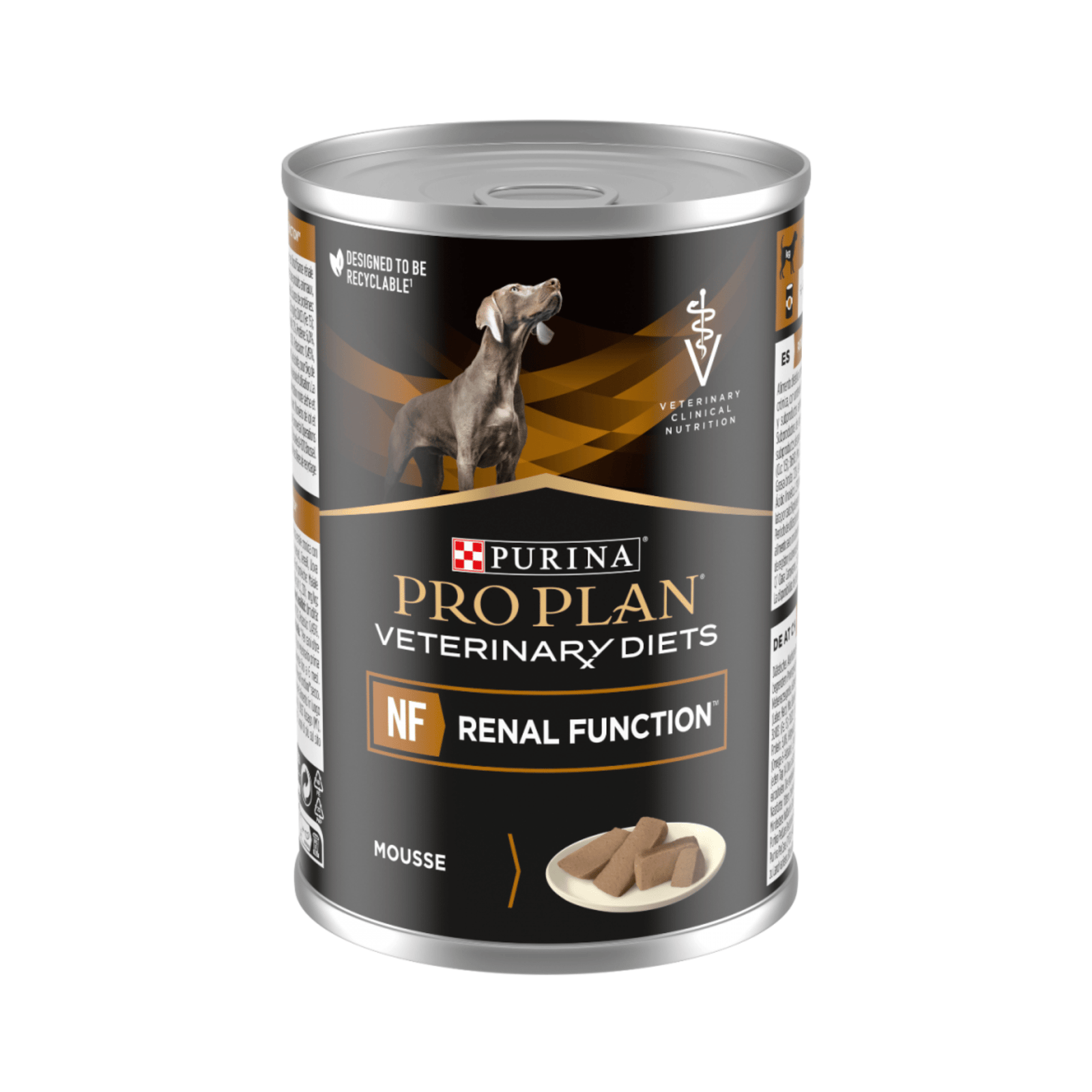
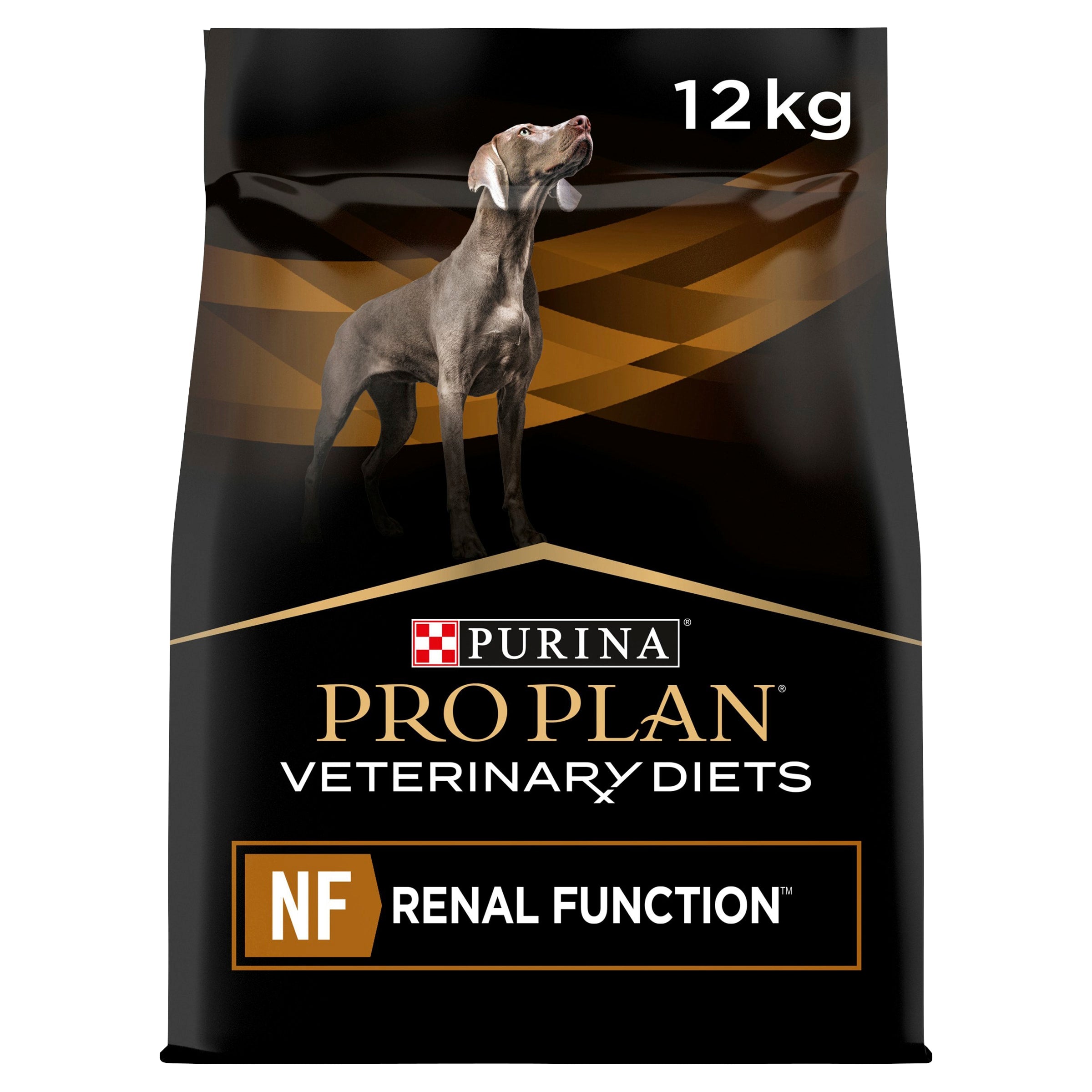
Managing kidney disease in dogs primarily revolves around implementing a specialized renal diet dog food. This dietary strategy involves several key nutritional adjustments. Protein levels are carefully controlled to reduce the accumulation of nitrogenous waste products, but the protein provided must be of high quality to prevent muscle wasting. Phosphorus restriction is another critical component, as elevated phosphorus levels contribute to the progression of kidney disease and can lead to secondary complications. These diets also typically contain controlled sodium levels to help manage blood pressure, and increased levels of omega-3 fatty acids known for their anti-inflammatory properties. B-vitamins are often supplemented to replenish those lost through increased urination. When transitioning to a renal diet, it is important to do so gradually over several days to weeks, mixing increasing amounts of the new food with decreasing amounts of the old to ensure acceptance and minimize gastrointestinal upset. Consistent access to fresh water is also crucial to support kidney function.
When Professional Help May Be Needed
Any suspicion of kidney disease symptoms warrants immediate veterinary consultation. Diagnosing kidney disease requires a comprehensive veterinary examination, including blood tests to measure kidney function markers (such as creatinine and blood urea nitrogen) and urine analysis to assess kidney concentrating ability and detect protein loss. Imaging studies like ultrasound may also be recommended to evaluate kidney structure. Once kidney disease is diagnosed and staged, a veterinarian will prescribe the appropriate renal diet dog food. Regular follow-up appointments are essential to monitor a dog’s response to the diet, adjust medications if necessary, and track the progression of the disease. A veterinary professional’s expertise is indispensable for tailoring a management plan that optimizes a dog’s health and quality of life while living with kidney disease.
Conclusion
The implementation of a “renal diet dog food” is a fundamental aspect of managing kidney disease and enhancing the well-being of affected dogs. Understanding the specialized nutritional requirements, recognizing the common signs of kidney issues, and proactively working with veterinary professionals are all vital steps for responsible pet ownership. Through careful dietary management, consistent monitoring, and dedicated care, it is possible to significantly improve the comfort and extend the happy lives of canine companions facing kidney challenges. Maintaining awareness and providing appropriate nutritional support ensures dogs receive the best possible care, allowing them to thrive despite their condition.
Pet Care & Wellness Overview Table
| Life Stage | Daily Activity Level | Key Nutrition / Care Focus |
|---|---|---|
| Puppy / Kitten | High (frequent short bursts) | High-protein growth diet & early socialization |
| Adult Companion | Moderate (30–60 mins daily) | Balanced maintenance nutrition & dental hygiene |
| Senior Pets | Low to Gentle (mindful walks) | Joint support (Glucosamine) & routine vet checks |
Images References




For more expert pet care tips and advice, check out our dedicated Dog Health guides to keep your companions healthy and happy.


