Introduction
Maintaining the health and comfort of canine companions is a primary concern for responsible dog owners. Among the many aspects of pet care, effective parasite control stands out as a critical component, safeguarding dogs from a range of discomforts and potential health issues. Advantage II for dogs represents a widely recognized and utilized topical treatment specifically designed to combat fleas and lice. Understanding its mechanism, application, and overall role in a dog’s general care regimen is essential for ensuring a pet’s well-being and preventing the distress associated with parasitic infestations. This product addresses a common challenge faced by dog owners globally, offering a practical solution for ongoing parasite management. Explore more in our Dog Health collection.
💡 Pet Care Key Takeaways:
- Core Focus: Practical health, nutrition, and wellness guidelines for Advantage Ii For Dogs.
- Target Scope: Pet owners, animal caregivers, and veterinary support staff.
- Best Recommendation: Maintain consistent daily routines and consult an accredited veterinarian before introducing major diet or medical changes.
Common Causes and Key Factors
Dogs are susceptible to flea and lice infestations through various common interactions and environmental factors. Fleas, highly prolific parasites, thrive in warm, humid conditions and can easily jump onto a dog from other infected animals, contaminated bedding, carpets, or even outdoor environments like tall grass and shaded areas. Their life cycle, comprising eggs, larvae, pupae, and adult fleas, allows them to establish themselves firmly within a dog’s living space, making eradication challenging without targeted intervention. For more related activities, check out our Sick Pug At Veterinarian.
Lice, while less common than fleas, are also spread through direct contact with an infested animal or contaminated grooming tools and bedding. These parasites cling to a dog’s hair shafts and feed on skin debris or blood, leading to irritation. Both fleas and lice can cause significant discomfort, including intense itching, skin irritation, and allergic reactions. Beyond superficial issues, severe infestations can lead to anemia, especially in puppies, and fleas are known intermediate hosts for tapeworms, posing an additional internal health risk. Environmental exposure and the presence of untreated animals in proximity are key factors contributing to the persistence of these parasites. Discover more free resources across our collection library.
Signs and Symptoms to Observe
Recognizing the signs of a flea or lice infestation early is crucial for prompt treatment and preventing a more widespread problem. One of the most common indicators is persistent scratching, biting, or licking, particularly around the hindquarters, tail base, and inner thighs. Dogs may become restless or irritable due to constant itching.
Visual inspection often reveals the presence of adult fleas, which are small, dark, fast-moving insects, typically visible on the skin or within the fur, especially on the belly or groin. Flea dirt, which consists of flea feces (digested blood), appears as small, black specks resembling ground pepper. These specks turn reddish-brown when wet. In cases of lice, a closer inspection might reveal the insects themselves, or their nits (eggs) attached to the hair shafts, often appearing as tiny, pearly-white specks that do not easily flake off. Chronic infestations can lead to hair loss, skin redness, scabs, and secondary skin infections caused by incessant scratching. The severity of these signs can vary based on a dog’s individual sensitivity, age, and the extent of the infestation.
Practical Solutions and Management Strategies
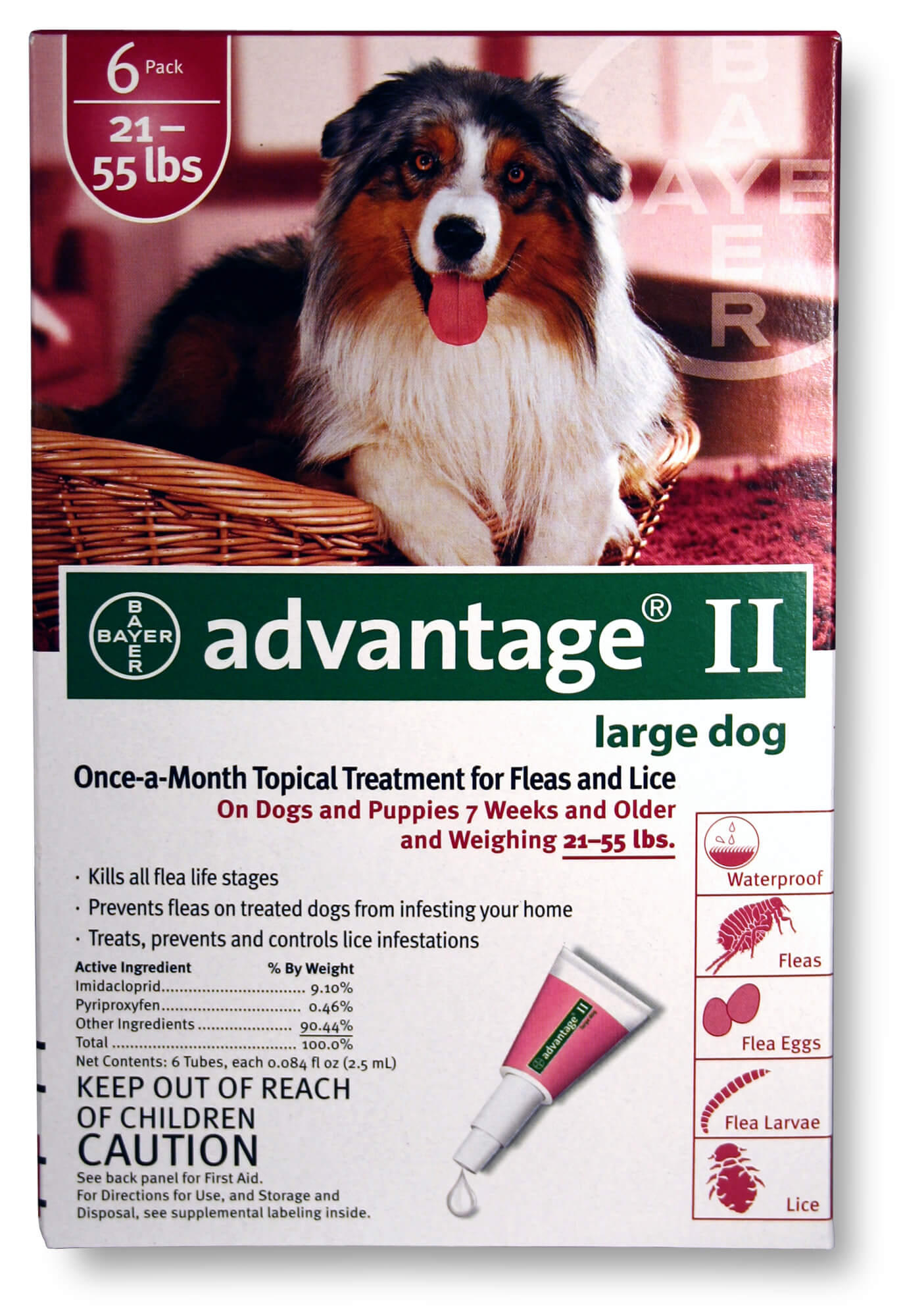
Advantage II for dogs offers a practical and effective solution for the management of fleas and lice. This topical product works through a combination of active ingredients: imidacloprid, an insecticide that targets the adult fleas and lice, and pyriproxyfen, an insect growth regulator (IGR) that disrupts the flea life cycle by preventing the development of flea eggs, larvae, and pupae. This dual action not only kills existing parasites but also prevents future infestations, breaking the reproductive cycle.
Application of Advantage II is straightforward. The product comes in pre-measured doses based on a dog’s weight, ensuring accurate treatment. The liquid is applied directly to the skin, typically between the shoulder blades, where it cannot be licked off. The active ingredients then spread across the dog’s skin and hair coat. It is important to apply the product to dry skin and keep the dog dry for a specified period after application to allow for proper absorption and efficacy. Consistent monthly application is generally recommended to maintain continuous protection, as a single treatment typically provides protection for approximately one month.
Beyond topical treatments, a comprehensive approach to parasite control includes treating the dog’s immediate environment. Regular vacuuming of carpets, upholstery, and pet bedding, along with washing bedding in hot water, can significantly reduce flea populations. In cases of severe household infestation, specialized premise treatments may also be necessary to eliminate fleas in all life stages. Consistent grooming practices also contribute to monitoring a dog’s skin and coat for any signs of parasites.
When Professional Help May Be Needed
While Advantage II for dogs is a highly effective over-the-counter solution for flea and lice control, there are situations where professional veterinary consultation becomes advisable or even necessary. If a dog exhibits severe allergic reactions to flea bites, such as intense itching, widespread skin redness, swelling, or secondary skin infections, immediate veterinary attention is warranted. These conditions often require prescription medications to alleviate symptoms and treat bacterial infections.
Furthermore, if a persistent infestation continues despite consistent and correct application of Advantage II, it may indicate that either the product is not being absorbed effectively, there is an unusually heavy environmental load, or a different type of parasite is present. A veterinarian can accurately diagnose the issue and recommend alternative or supplementary treatments, which might include oral medications, different topical solutions, or a comprehensive household treatment plan. For very young puppies, pregnant or lactating dogs, or dogs with pre-existing health conditions, consulting a veterinarian before initiating any new parasite control product is always recommended to ensure safety and suitability.
Conclusion
The battle against fleas and lice is an ongoing aspect of responsible dog ownership, crucial for maintaining a pet’s health, comfort, and overall quality of life. Advantage II for dogs offers a robust and reliable defense against these common external parasites, effectively eliminating adult fleas and lice while disrupting their life cycle. Regular and correct application of such preventive treatments, coupled with vigilant observation and appropriate environmental management, forms the cornerstone of an effective parasite control strategy. By remaining informed about available solutions and understanding when to seek professional guidance, dog owners can ensure their beloved companions remain protected, healthy, and happy, reinforcing the educational mission of petsanimalsworld.com to empower pet enthusiasts with valuable knowledge.
Pet Care & Wellness Overview Table
| Life Stage | Daily Activity Level | Key Nutrition / Care Focus |
|---|---|---|
| Puppy / Kitten | High (frequent short bursts) | High-protein growth diet & early socialization |
| Adult Companion | Moderate (30–60 mins daily) | Balanced maintenance nutrition & dental hygiene |
| Senior Pets | Low to Gentle (mindful walks) | Joint support (Glucosamine) & routine vet checks |
Images References