
Introduction
Bringing a new puppy into the home is an exciting time, filled with anticipation and joy. However, for some owners, this period can also introduce challenges, one of which is the emergence of separation anxiety puppy 8 weeks of age. Understanding this phenomenon is crucial for ensuring a smooth transition and fostering a well-adjusted companion. At this tender age, puppies are highly impressionable, making early intervention and proper guidance particularly important. This article explores the nuances of separation anxiety in young puppies, offering insights into its causes, symptoms, and effective management strategies, ultimately aiming to enhance a puppy’s well-being and strengthen the bond with its new family.
💡 Pet Care Key Takeaways:
- Core Focus: Practical health, nutrition, and wellness guidelines for Separation Anxiety Puppy 8 Weeks.
- Target Scope: Pet owners, animal caregivers, and veterinary support staff.
- Best Recommendation: Maintain consistent daily routines and consult an accredited veterinarian before introducing major diet or medical changes.
Common Causes and Key Factors
The development of separation anxiety in a puppy, especially one as young as 8 weeks, often stems from significant changes in its environment and social structure. Prior to joining a new home, a puppy has spent all its life with its mother and littermates, providing constant companionship, warmth, and security. The sudden transition to being alone, even for short periods, can be a jarring experience. For more related activities, check out our Dog Care Electric Collar.
- Abrupt Weaning from Litter: Being separated from the mother and siblings, who provided consistent contact and comfort, can leave an 8-week-old puppy feeling vulnerable and alone. The absence of this constant social interaction can trigger distress when left without a human companion.
- Lack of Gradual Alone Time: If a puppy is immediately left for extended periods without prior gradual exposure to solitude, it can quickly develop anxiety. A lack of preparation for being alone can make future separations more difficult.
- Over-Attachment to New Owners: While bonding is essential, an intense, immediate, and constant presence of new owners can inadvertently lead to over-dependence. This can make the eventual, natural periods of separation feel overwhelming for the puppy.
- New Environment Stress: A new home, with unfamiliar sights, sounds, and smells, can be inherently stressful for a young puppy. This underlying stress can exacerbate feelings of anxiety when left alone.
- Individual Temperament: Just like humans, puppies have individual personalities. Some are naturally more sensitive or prone to anxiety than others, making them more susceptible to developing separation issues.
Signs and Symptoms to Observe
Recognizing the signs of separation anxiety in an 8-week-old puppy is the first step toward addressing the issue effectively. The behavioral indicators may differ slightly from those seen in older dogs, often appearing more primal and intense due to the puppy’s limited coping mechanisms and developmental stage. Observing these behaviors consistently when the puppy is left alone, or in anticipation of being left alone, can help confirm the presence of anxiety.
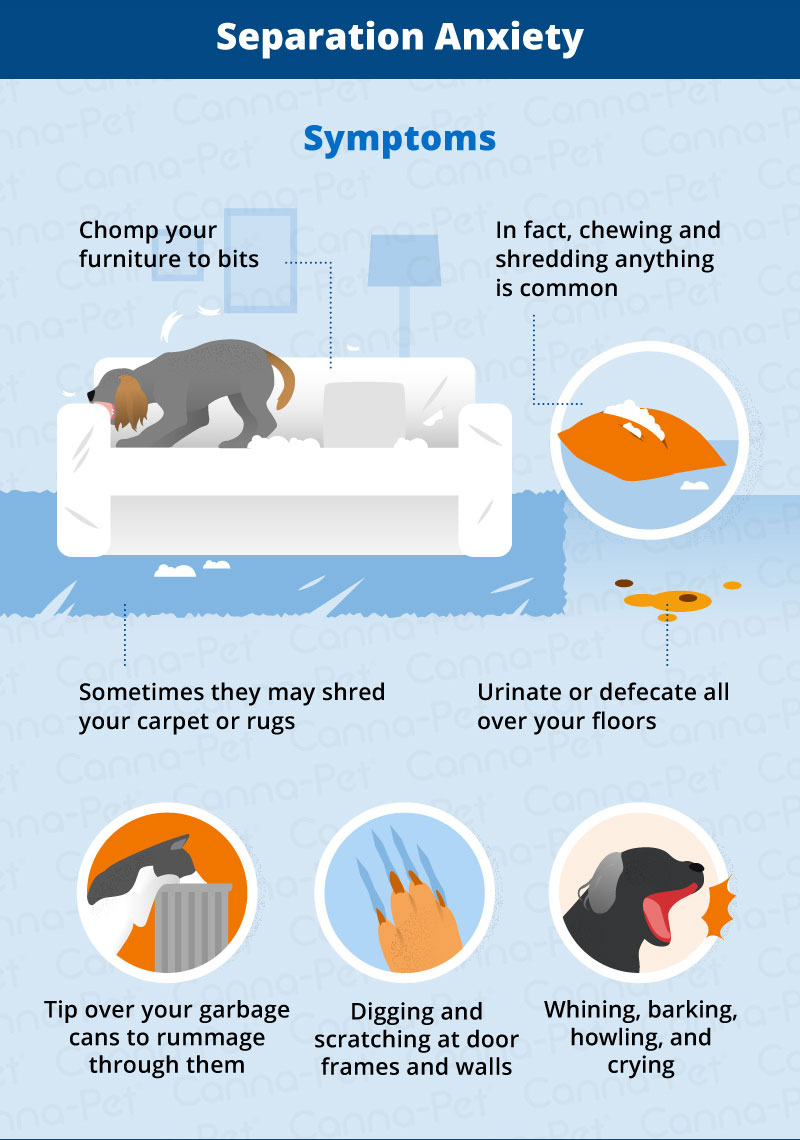
- Vocalization: Persistent whining, barking, or howling when left alone are common signs. These are often attempts to call for attention or express distress.
- Destructive Chewing: Puppies may chew on furniture, doors, window sills, or personal items, often targeting exits. This behavior is usually a displacement activity or an attempt to escape.
- Inappropriate Elimination: Urinating or defecating indoors, despite being recently taken outside or being in the process of house-training, can indicate stress rather than a lack of training.
- Pacing and Restlessness: Anxious puppies may pace back and forth, circle, or seem unable to settle down when left in a confined space.
- Excessive Drooling or Panting: These physiological responses can be signs of extreme stress, even in a comfortable environment.
- Attempts to Prevent Departure: A puppy might block doorways, cling to clothing, or show excessive distress as a person prepares to leave.
- Overly Enthusiastic Greetings: While happy greetings are normal, an overly prolonged or frantic greeting upon return can also be a sign of relief from intense anxiety during separation.
Practical Solutions and Management Strategies
Addressing separation anxiety puppy 8 weeks requires a consistent, patient, and proactive approach. The goal is to teach the puppy that being alone is not frightening but a normal and often relaxing part of its routine. Establishing a strong foundation during this critical developmental period can prevent more severe issues later.
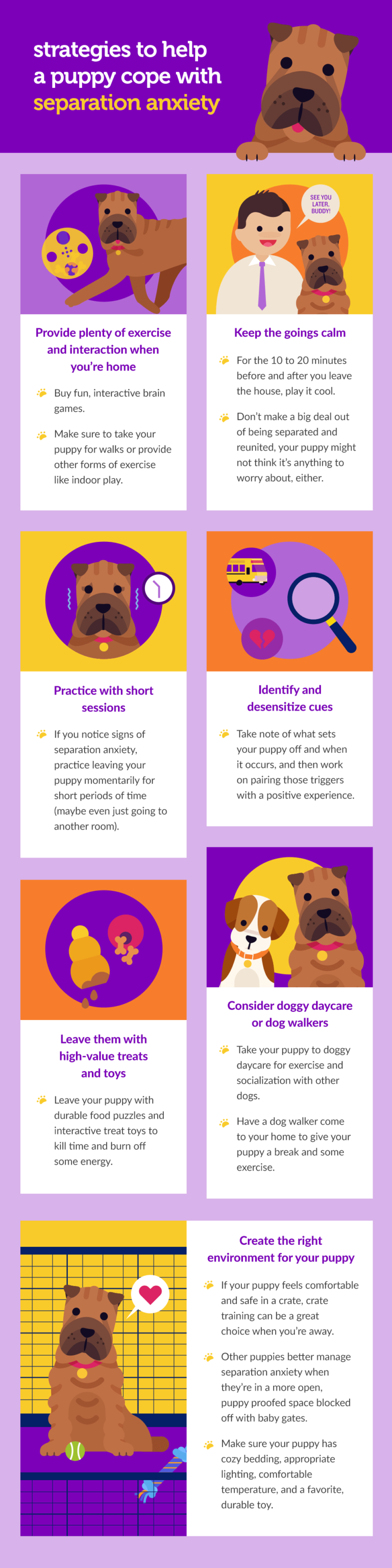
- Gradual Desensitization to Departure Cues: Begin by performing pre-departure routines (e.g., picking up keys, putting on shoes) without actually leaving. This helps desensitize the puppy to these triggers, reducing anticipatory anxiety.
- Short, Controlled Absences: Start by leaving the puppy alone for very brief periodsliterally secondsthen gradually increase the duration. This could involve stepping out of sight into another room, then outside for a minute, and slowly extending the time.
- Positive Reinforcement for Calmness: When the puppy is relaxed during alone time or when a person returns, offer calm praise and treats. Avoid overly enthusiastic greetings upon return, which can inadvertently reinforce the idea that departures are a big deal.
- Crate Training: A crate can become a safe, den-like space for a puppy. When introduced positively, it provides a secure environment where the puppy can feel safe when alone. Ensure the crate is appropriately sized and contains comfortable bedding and safe toys.
- Provide Engaging Enrichment: Leave the puppy with highly appealing, safe chew toys or puzzle feeders filled with treats. These can distract and entertain the puppy during alone time, associating solitude with positive experiences.
- Establish a Predictable Routine: Consistent feeding, play, training, and potty schedules help a puppy feel secure and understand what to expect throughout the day, including periods of alone time.
- Encourage Independence: Even when present, encourage the puppy to play independently with toys in its designated safe space. This helps build confidence in self-amusement.
- Create a Soothing Environment: Consider leaving on a radio or television at a low volume, or using a white noise machine, to provide ambient sound that can mask unsettling outdoor noises. A familiar-smelling item (like an old t-shirt) can also offer comfort.
When Professional Help May Be Needed
While many cases of separation anxiety in an 8-week-old puppy can be managed with consistent training and environmental adjustments, some situations may warrant professional intervention. Recognizing when to seek expert guidance is essential for the puppy’s long-term well-being and for the owners’ peace of mind.
- Lack of Improvement: If, despite consistent application of the recommended strategies, the puppy’s anxiety symptoms do not diminish or appear to worsen over time, professional help should be considered.
- Extreme Destructive Behavior: When a puppy causes significant damage to the home or to itself (e.g., self-mutilation from chewing or licking), immediate professional guidance is necessary.
- Inability to Cope with Short Absences: If a puppy cannot tolerate even very brief periods of separation without extreme distress, it indicates a deep-seated anxiety that requires specialized attention.
- Owner Overwhelm: If owners find themselves overwhelmed by the puppy’s anxiety or are struggling to implement strategies effectively, a professional can provide tailored support and coaching.
Consultation with a veterinarian is always recommended first to rule out any underlying medical conditions that might be contributing to the puppy’s behavior. Following a veterinary check-up, a certified professional dog trainer specializing in behavior, or a veterinary behaviorist, can offer an individualized assessment and develop a comprehensive behavior modification plan. These experts possess the knowledge and experience to tackle complex cases of separation anxiety, guiding both the puppy and its family toward a happier, more harmonious life.
Conclusion
Addressing separation anxiety puppy 8 weeks is a significant undertaking that requires understanding, patience, and consistent effort. While it can be challenging to witness a young puppy in distress, early recognition of symptoms and proactive implementation of management strategies are vital. By providing a secure environment, gradually acclimating the puppy to alone time, and reinforcing calm behavior, owners can lay a strong foundation for a confident and well-adjusted adult dog. Remember that every puppy is an individual, and the journey to overcoming anxiety may take time. With dedication and, when necessary, professional guidance, it is possible to transform a puppy’s fear of solitude into a sense of security, ensuring a fulfilling companionship for years to come.
Pet Care & Wellness Overview Table
| Life Stage | Daily Activity Level | Key Nutrition / Care Focus |
|---|---|---|
| Puppy / Kitten | High (frequent short bursts) | High-protein growth diet & early socialization |
| Adult Companion | Moderate (30–60 mins daily) | Balanced maintenance nutrition & dental hygiene |
| Senior Pets | Low to Gentle (mindful walks) | Joint support (Glucosamine) & routine vet checks |
Images References





For more expert pet care tips and advice, check out our dedicated Dog Behavior guides to keep your companions healthy and happy.




