

Introduction
Delving into the intricate world of canine thought and emotion, understanding dog psychology serves as the cornerstone for fostering a deep and meaningful bond with companion animals. It involves comprehending a dog’s cognitive processes, emotional states, communication signals, and motivations behind various behaviors. Without this crucial insight, interactions can lead to misinterpretations, frustration, and potential behavioral challenges for both dogs and their human companions. This issue commonly arises when dogs exhibit behaviors that seem inexplicable or challenging from a human perspective, such as excessive barking, destructive chewing, or fear-based reactions. By embracing the principles of dog psychology, guardians can unlock a new level of communication and empathy, leading to improved training outcomes, enhanced well-being, and a significantly higher quality of life for their canine friends.
💡 Pet Care Key Takeaways:
- Core Focus: Practical health, nutrition, and wellness guidelines for Understanding Dog Psychology.
- Target Scope: Pet owners, animal caregivers, and veterinary support staff.
- Best Recommendation: Maintain consistent daily routines and consult an accredited veterinarian before introducing major diet or medical changes.
Common Causes and Key Factors
The complex tapestry of dog psychology is woven from several interconnected threads, each contributing to a dog’s overall behavior and temperament. Understanding these foundational factors is crucial for interpreting actions and addressing underlying needs. For more related activities, check out our Xolo Dog Behavior.
Evolutionary Heritage: Dogs are descendants of wolves, inheriting certain instincts and social structures that influence their modern-day behavior. Their innate drive for social connection, communication through body language, and problem-solving abilities stem from this ancient lineage. While pack dynamics in domestic dogs differ significantly from wild wolves, the importance of social learning and hierarchy within a family unit remains relevant.
Breed-Specific Predispositions: Different dog breeds were developed for specific purposes, resulting in inherent behavioral tendencies. For instance, herding breeds possess a strong instinct to gather and control movement, while retrievers are naturally inclined to carry objects. Understanding these breed-specific traits helps guardians provide appropriate outlets for natural behaviors, preventing frustration and undesirable manifestations.
Early Socialization and Environment: A dog’s experiences during its critical developmental periods (typically between 3 and 16 weeks of age) profoundly shape its future psychological landscape. Exposure to various sights, sounds, people, and other animals during this time fosters confidence and adaptability. Conversely, a lack of adequate socialization can lead to fear, anxiety, and reactivity later in life. The dog’s current living environment, including routine, enrichment, and household dynamics, also plays a significant role in its psychological state.
Learned Experiences and Associations: Dogs are constantly learning through classical and operant conditioning. Positive experiences can build confidence and reinforce desired behaviors, while negative or traumatic experiences can lead to phobias, aggression, or chronic stress. Understanding how associations are formed is vital for effective training and behavior modification. For example, a dog that consistently associates the sound of a vacuum cleaner with a frightening experience may develop a lasting fear.
Physiological and Health Factors: A dog’s physical health directly impacts its mental and emotional state. Pain, discomfort, hormonal imbalances, neurological conditions, or dietary deficiencies can manifest as significant behavioral changes, including irritability, withdrawal, aggression, or anxiety. A dog displaying sudden or unexplained behavioral shifts often warrants a veterinary examination to rule out underlying medical causes.
Signs and Symptoms to Observe
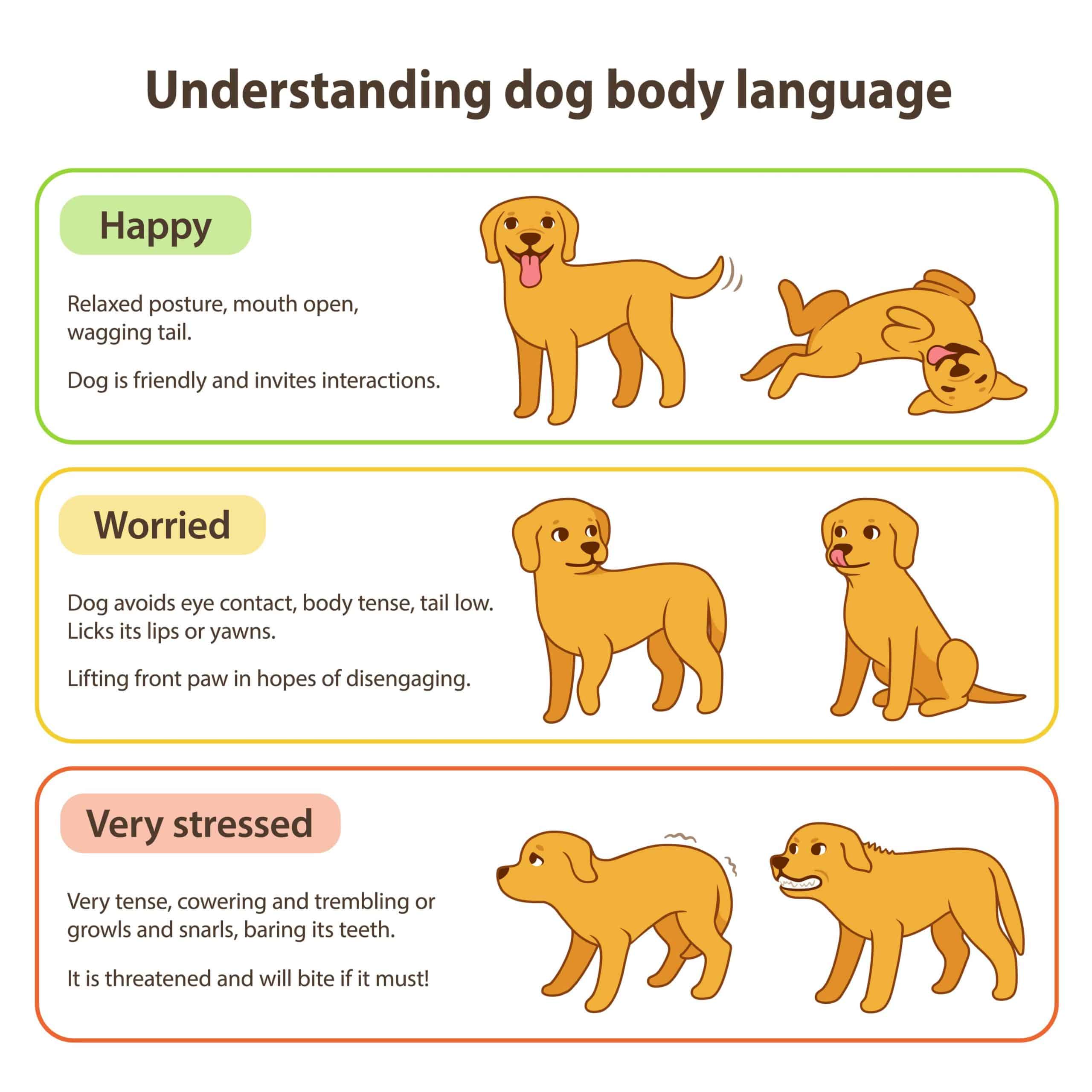
Observing a dogs behavior is the primary gateway to understanding dog psychology. Dogs communicate through a complex repertoire of signals, often subtle, that reveal their emotional state, intentions, and needs. Careful observation of these signs provides invaluable insight.
Body Language: This is arguably the most critical aspect of canine communication. Key indicators include:
- Tail Position and Movement: A relaxed, mid-level wag often indicates contentment, but a low, tucked tail signals fear or submission, and a high, stiff tail can indicate arousal or aggression.
- Ear Position: Ears held back or flattened against the head usually denote fear or submission, while forward or alert ears indicate interest or attention.
- Eye Contact: Soft, blinking eyes suggest comfort, while hard, direct stares can be a challenge. “Whale eye” (where the whites of the eyes are visible) often signals anxiety or discomfort.
- Mouth and Lips: A relaxed, slightly open mouth with a loose tongue signifies contentment. Lip licking, yawning (out of context), or panting without exertion can indicate stress or anxiety. Tight lips, baring teeth, or a wrinkled muzzle are clear warnings.
- Overall Posture: A relaxed posture, with weight evenly distributed, suggests comfort. A stiff, rigid posture often precedes aggression. A lowered body, cowering, or attempting to make themselves small indicates fear or submission.
Vocalizations: Barks, growls, whimpers, and howls all carry different meanings depending on their pitch, intensity, duration, and context. A high-pitched, rapid bark might be excitement, while a low, sustained growl is a clear warning.
Behavioral Changes: Departures from a dogs usual patterns can signal psychological distress or underlying issues. These include:
- Increased Anxiety: Pacing, whining, destructive chewing, inappropriate urination/defecation, excessive licking, or trembling.
- Aggression: Growling, snapping, lunging, or biting towards people or other animals. This often stems from fear, resource guarding, or pain.
- Withdrawal or Depression: Hiding, loss of interest in play, refusal to eat, excessive sleeping, or a general lethargy.
- Obsessive-Compulsive Behaviors: Repetitive behaviors such as tail chasing, excessive licking of paws, or flank sucking, often indicative of stress or underlying medical conditions.
- Changes in Appetite or Sleep Patterns: Significant shifts can be a physical or psychological red flag.
It is important to remember that these signs can vary significantly depending on the dog’s age, breed, and individual personality. A high-energy breed might exhibit restlessness more readily than a low-energy one, and a senior dog might show withdrawal due to discomfort or cognitive decline. Always consider the full context of the behavior.
Practical Solutions and Management Strategies
Effectively applying principles of understanding dog psychology translates into practical strategies that enhance a dogs well-being and strengthen the human-canine bond. Addressing behavioral concerns and promoting a positive psychological state often involves a combination of consistent effort and thoughtful approaches.
Mastering Observational Skills: The first step is to consistently observe a dog’s body language and behavior in various situations. Learning to interpret subtle cues allows guardians to preemptively address potential stress or discomfort before it escalates into problematic behavior. Keeping a journal of specific behaviors and the contexts in which they occur can reveal patterns and triggers.
Implementing Positive Reinforcement Training: This highly effective method focuses on rewarding desired behaviors, making them more likely to occur again. It builds trust and cooperation without fear or intimidation, aligning with a dog’s natural desire to please and earn rewards. Techniques include using treats, praise, toys, or access to desired activities immediately after the dog performs the correct action. Consistency is key for establishing clear communication.
Establishing a Predictable Routine and Environment: Dogs thrive on predictability. A consistent daily schedule for feeding, exercise, potty breaks, and rest periods reduces anxiety and provides a sense of security. A calm, safe home environment, free from excessive noise or sudden changes, contributes significantly to a dog’s psychological stability. Providing a designated “safe space,” such as a crate or a comfortable bed in a quiet area, offers a retreat when feeling overwhelmed.
Ensuring Adequate Physical and Mental Stimulation: Boredom and pent-up energy are common causes of behavioral issues. Tailor exercise routines to a dog’s breed, age, and energy level. Beyond physical activity, mental stimulation is vital. Puzzle toys, scent work, short training sessions, and opportunities to explore new environments engage a dog’s mind and prevent destructive behaviors stemming from lack of stimulation.
Appropriate Socialization: Continuing positive and controlled social interactions throughout a dog’s life helps maintain good social skills. Gradual introductions to new people, places, and other well-behaved dogs can build confidence and prevent fear-based reactions. Always ensure these interactions are positive and do not overwhelm the dog.
Environmental Enrichment: Provide opportunities for dogs to engage in natural, species-typical behaviors. This can include safe chew toys for dental health and stress relief, digging pits in the yard for those with digging instincts, or snuffle mats for dogs who enjoy foraging. Enrichment helps satisfy innate drives in appropriate ways.
When Professional Help May Be Needed
While many behavioral nuances can be managed through informed observation and consistent training, there are specific situations where professional intervention becomes crucial for understanding dog psychology and implementing effective solutions. Recognizing these scenarios is a responsible aspect of dog guardianship.
Persistent or Escalating Behavioral Issues: If a dog’s behavior, such as aggression, severe anxiety (e.g., separation anxiety resulting in destruction), extreme fear, or persistent house soiling, does not improve with consistent application of home-based strategies, professional help is warranted. These issues can have deep psychological roots requiring specialized expertise.
Sudden Changes in Behavior: A rapid and unexplained shift in a dogs temperament or habits should always prompt a visit to a veterinarian. Behavioral changes can be the first indication of an underlying medical condition, pain, or discomfort that is affecting their psychological state. Ruling out physical causes is the essential first step before addressing purely behavioral ones.
Safety Concerns: Any behavior that poses a risk to the dog itself, other animals, or people (e.g., unprovoked aggression, biting, intense resource guarding) necessitates immediate professional guidance. These situations require careful assessment and structured modification plans to ensure safety and prevent future incidents.
Overwhelm or Lack of Progress: Guardians who feel overwhelmed, frustrated, or simply are not seeing progress despite their best efforts should seek assistance. A professional can offer an objective assessment, identify overlooked factors, and provide tailored strategies.
Types of Professionals:
- Veterinary Behaviorists: These are veterinarians with advanced training and board certification in animal behavior. They can diagnose and treat behavioral problems that have both medical and psychological components, often prescribing medication as part of a comprehensive treatment plan.
- Certified Professional Dog Trainers (CPDT-KA, KPA CTP, etc.): For specific training challenges and mild to moderate behavioral issues, a certified trainer who utilizes positive reinforcement methods can provide valuable guidance and teach effective communication techniques.
- Experienced Pet Behavior Consultants: These professionals offer behavior modification plans and support for a range of issues. It is important to choose consultants who are certified and adhere to ethical, fear-free training principles.
Choosing a professional who aligns with positive, science-based training methodologies is paramount to ensuring the dog’s welfare and achieving lasting results.
Conclusion
The journey of understanding dog psychology is an ongoing endeavor that profoundly enriches the relationship between humans and their canine companions. By recognizing the intricate interplay of evolution, breed predispositions, early experiences, learning, and physical health, guardians gain invaluable insight into their dogs motivations and needs. Consistent observation of body language and behavioral cues forms the foundation of this understanding, enabling proactive and compassionate responses. Implementing positive reinforcement training, establishing predictable routines, ensuring adequate stimulation, and fostering appropriate social interactions are all practical applications of psychological awareness. When complex or persistent issues arise, seeking the expertise of veterinary professionals or certified behavior specialists ensures that dogs receive the most appropriate care. Ultimately, a commitment to understanding canine psychology leads to a more harmonious home, a happier and healthier dog, and a deeper, more resilient bond built on mutual respect and empathy.
Pet Care & Wellness Overview Table
| Life Stage | Daily Activity Level | Key Nutrition / Care Focus |
|---|---|---|
| Puppy / Kitten | High (frequent short bursts) | High-protein growth diet & early socialization |
| Adult Companion | Moderate (30–60 mins daily) | Balanced maintenance nutrition & dental hygiene |
| Senior Pets | Low to Gentle (mindful walks) | Joint support (Glucosamine) & routine vet checks |
Images References







For more expert pet care tips and advice, check out our dedicated Dog Behavior guides to keep your companions healthy and happy.




