Introduction
Canine health often presents unique challenges, and one common dermatological concern for many dog owners is the appearance of warts. These small, typically benign growths, medically known as papillomas, can be a source of worry, especially when they appear in visible or sensitive areas. While most canine warts resolve on their own, the search for supportive therapies to expedite this process or alleviate discomfort is common among pet enthusiasts. Among the various natural considerations, Vitamin E has garnered interest for its potential role in supporting skin health and immune function, leading many to explore its benefits for dog warts. Understanding the nature of these growths and the potential supportive role of Vitamin E can significantly contribute to a dog’s well-being and overall quality of life by offering informed approaches to their care. Explore more in our Dog Health collection.
💡 Pet Care Key Takeaways:
- Core Focus: Practical health, nutrition, and wellness guidelines for Vitamin E For Dog Warts.
- Target Scope: Pet owners, animal caregivers, and veterinary support staff.
- Best Recommendation: Maintain consistent daily routines and consult an accredited veterinarian before introducing major diet or medical changes.
Common Causes and Key Factors
Dog warts are primarily caused by the canine papillomavirus (CPV), a species-specific virus that does not typically transmit to humans or other animals. The appearance of these warts is often influenced by several key factors. Young dogs, particularly those under two years of age, are more susceptible due to their developing immune systems, which may not yet effectively combat the virus. Similarly, immunosuppressed adult dogs, perhaps due to illness, medication, or age, may also develop papillomas. Transmission typically occurs through direct contact with an infected dog or contaminated objects in the environment, such as shared toys or bedding. Once exposed, the virus causes epidermal cells to proliferate, leading to the characteristic wart-like growths. While usually harmless, these warts can occasionally become irritated, bleed, or interfere with a dog’s normal activities, prompting owners to seek solutions. For more related activities, check out our Signs Of A Deaf Dog Behavior Problems And Solutions.
Signs and Symptoms to Observe
Recognizing dog warts involves observing specific visual and tactile signs on a dog’s skin. Papillomas typically appear as small, firm, cauliflower-like growths, often with a rough or irregular surface. Their color can range from pinkish to flesh-toned, sometimes darkening over time. Common locations for these growths include the mouth and lips, eyelids, paw pads, and between the toes, though they can manifest anywhere on the body. Oral papillomas, which are most frequent in younger dogs, can be particularly concerning if they become numerous enough to impede eating or drinking. Warts on the paws might cause limping or discomfort during walking. While many warts are asymptomatic, careful observation for changes in size, shape, color, or the development of inflammation, bleeding, or pain is crucial. Any rapid growth or unusual presentation warrants prompt veterinary attention to rule out other, more serious skin conditions. Discover more free resources across our collection library.
Practical Solutions and Management Strategies
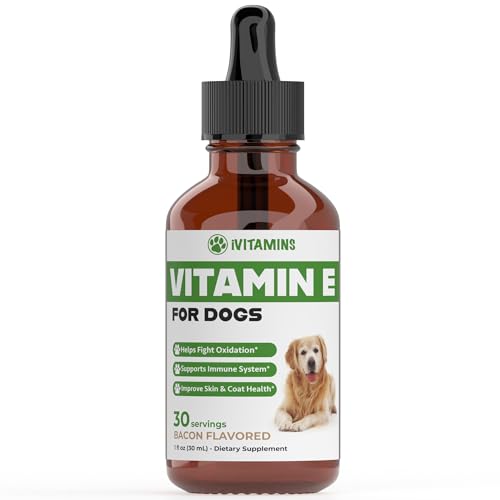
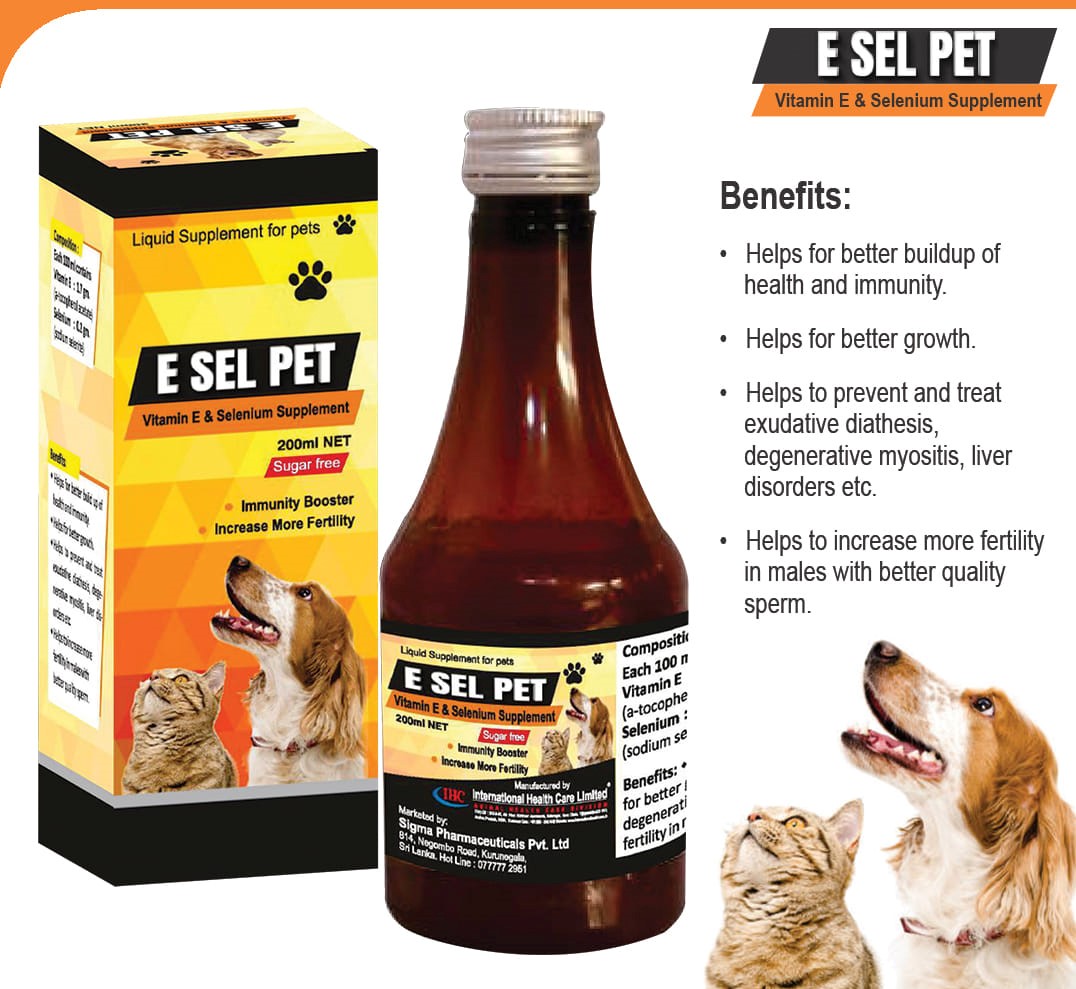
Managing dog warts often involves a watchful waiting approach, as many resolve spontaneously. However, for those seeking supportive measures, Vitamin E has emerged as a topic of interest due to its well-documented antioxidant properties and role in skin health. As a potent antioxidant, Vitamin E helps protect cells from damage and supports immune system function, which is critical in fighting viral infections.
Topical application of Vitamin E oil directly onto the wart is a common method explored by dog owners. The oil can be extracted from capsules and gently massaged onto the growth once or twice daily. This method aims to deliver the antioxidant directly to the affected tissue, potentially aiding in cellular regeneration and immune response at the site. For dogs that tend to lick the treated area, careful monitoring is advisable, or a veterinary-approved protective collar might be necessary.
Oral supplementation with Vitamin E is another strategy. This approach aims to boost a dog’s overall immune system and skin health from within. Dosages for oral Vitamin E supplementation vary significantly based on a dog’s size, age, and individual health status. It is imperative to consult with a veterinarian before initiating any oral supplementation to ensure appropriate dosage and to avoid potential interactions with other medications or existing health conditions. Too much Vitamin E can be detrimental, so professional guidance is non-negotiable. Beyond Vitamin E, maintaining a balanced, nutrient-rich diet and ensuring proper hygiene can further support a dog’s immune system, potentially helping the body naturally combat the papillomavirus.
When Professional Help May Be Needed
While many dog warts are benign and self-limiting, situations arise where professional veterinary intervention becomes necessary. A consultation with a veterinarian is strongly recommended if a wart appears to be causing the dog pain, irritation, or discomfort, or if it bleeds frequently. Warts that grow rapidly, change dramatically in appearance, or multiply quickly across the body should also be assessed by a professional. Similarly, if warts interfere with essential functions such as eating, drinking, breathing, or walking, veterinary guidance is crucial for proper management.
A veterinarian can accurately diagnose the type of growth through a physical examination, and in some cases, a biopsy may be performed to differentiate between benign papillomas and more serious skin conditions, such as squamous cell carcinoma or melanoma. Treatment options offered by veterinarians may include surgical removal, cryotherapy (freezing), or laser ablation, particularly for persistent or problematic warts. Immunomodulators or antiviral medications may also be considered in certain situations. Relying solely on home remedies without professional oversight can lead to delayed diagnosis of more severe conditions or inappropriate treatment, potentially compromising a dog’s health.
Conclusion
Dog warts, while often harmless, represent a common concern for pet owners. Understanding their viral origin and the factors influencing their appearance is the first step toward effective management. While many warts resolve naturally, the potential supportive role of Vitamin E, with its antioxidant and immune-modulating properties, offers a natural avenue for consideration. Whether applied topically or given orally, any use of Vitamin E for dog warts must be approached with careful consideration and, most importantly, under the guidance of a qualified veterinarian. Prioritizing regular observation of skin growths and seeking professional advice for any concerning changes ensures that dogs receive the most appropriate and effective care. This proactive approach underscores a commitment to canine health, embodying the dedicated pet care philosophy promoted by petsanimalsworld.com.
Pet Care & Wellness Overview Table
| Life Stage | Daily Activity Level | Key Nutrition / Care Focus |
|---|---|---|
| Puppy / Kitten | High (frequent short bursts) | High-protein growth diet & early socialization |
| Adult Companion | Moderate (30–60 mins daily) | Balanced maintenance nutrition & dental hygiene |
| Senior Pets | Low to Gentle (mindful walks) | Joint support (Glucosamine) & routine vet checks |
Images References