

Introduction
Understanding anti seizure medication for dogs is profoundly important for owners whose beloved companions experience neurological events. Seizures in dogs, often a symptom of underlying neurological conditions like epilepsy, can be distressing to witness and can significantly impact a dog’s quality of life. The primary goal of anti seizure medication for dogs is to reduce the frequency, severity, and duration of these episodes, thereby improving overall well-being and preventing potential brain damage. This class of medication plays a crucial role in managing chronic seizure disorders, transforming the daily lives of affected canines and their families by providing stability and minimizing the unpredictable nature of seizures. Proper management with appropriate medication allows many dogs to live full, active lives, highlighting the critical role these treatments play in comprehensive canine care.
💡 Pet Care Key Takeaways:
- Core Focus: Practical health, nutrition, and wellness guidelines for Anti Seizure Medication For Dogs.
- Target Scope: Pet owners, animal caregivers, and veterinary support staff.
- Best Recommendation: Maintain consistent daily routines and consult an accredited veterinarian before introducing major diet or medical changes.
Common Causes and Key Factors
The necessity for anti seizure medication for dogs stems from various underlying causes of seizure activity. The most common diagnosis is idiopathic epilepsy, a genetic or inherited condition where no identifiable brain lesion or metabolic cause can be found. Certain breeds exhibit a higher predisposition to idiopathic epilepsy, including Beagles, German Shepherds, Labrador Retrievers, Golden Retrievers, Border Collies, and Australian Shepherds, with symptoms often emerging between one and five years of age. For more related activities, check out our Breeds Susceptable To Diabetes.
Beyond idiopathic epilepsy, seizures can be symptomatic of structural brain abnormalities or diseases. These include brain tumors, past head trauma, strokes, or inflammatory brain conditions such as encephalitis. Metabolic disorders can also trigger seizures by disrupting normal brain function; examples include severe liver disease (hepatic encephalopathy), kidney failure, dangerously low blood sugar (hypoglycemia), or electrolyte imbalances. Exposure to certain toxins, such as slug bait, pesticides, or even some human medications, can induce acute seizures. A thorough veterinary investigation is always necessary to determine the specific cause and guide the selection of appropriate anti seizure medication for dogs.
Signs and Symptoms to Observe
Recognizing the signs and symptoms of a seizure is crucial for any dog owner, especially when managing a condition requiring anti seizure medication for dogs. Seizures can manifest in various ways, from subtle changes to dramatic full-body convulsions. A generalized, or grand mal, seizure is the most recognizable type, characterized by the dog collapsing, losing consciousness, becoming stiff, and often exhibiting rhythmic paddling movements with all four limbs. Other common signs during a generalized seizure include excessive salivation (foaming at the mouth), jaw chomping, vocalization, and involuntary urination or defecation. These events typically last from a few seconds to several minutes.
Focal, or partial, seizures affect only a specific part of the brain and may present with localized signs. This could include twitching of a single limb, facial muscles, or one side of the body. Behavioral changes, such as ‘fly-biting’ (snapping at imaginary flies), sudden aggression, or intense licking, can also be signs of a focal seizure. Some dogs may experience an ‘aura’ (pre-ictal phase) just before a seizure, showing restlessness, anxiety, seeking attention, or hiding. Following a seizure, the ‘post-ictal’ phase involves a period of disorientation, temporary blindness, weakness, confusion, excessive thirst or hunger, and lethargy. Observing these distinct phases and accurately reporting them to a veterinarian is vital for effective diagnosis and adjustment of anti seizure medication for dogs.
Practical Solutions and Management Strategies
Effective management of seizure disorders with anti seizure medication for dogs relies heavily on consistent administration and diligent observation. Once a veterinarian prescribes medication, strict adherence to the dosing schedule is paramount. Skipping doses or inconsistent timing can lead to fluctuating drug levels in the bloodstream, reducing efficacy and potentially triggering breakthrough seizures. Owners should establish a routine for administering medication at the same time each day, ideally with food to minimize gastrointestinal upset.
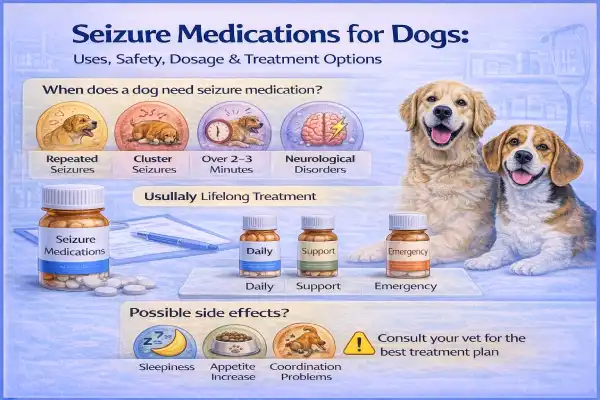
Monitoring a dog’s response to medication and watching for potential side effects is another critical aspect of management. Common side effects of anti seizure medication for dogs can include increased thirst and urination, lethargy, ataxia (unsteadiness), or changes in appetite. Any concerning symptoms should be reported to the veterinarian promptly. Maintaining a detailed seizure log, noting the date, time, duration, severity, and any potential triggers for each seizure, provides invaluable data for the veterinary team when evaluating treatment effectiveness and making dosage adjustments. Regular veterinary check-ups and blood tests are essential to monitor drug levels, assess liver and kidney function, and ensure the medication remains safe and effective for the dog’s ongoing health. Never adjust the dosage of anti seizure medication for dogs without explicit veterinary guidance.
When Professional Help May Be Needed
Professional veterinary consultation is indispensable for any dog suspected of experiencing seizures. A veterinarian’s expertise is required to accurately diagnose the cause of seizures, differentiate them from other conditions, and prescribe appropriate anti seizure medication for dogs. Self-diagnosis or attempting to treat seizures without professional guidance can be dangerous and detrimental to a dog’s health.
Emergency veterinary care is warranted in specific situations, such as when a dog experiences “cluster seizures,” defined as multiple seizures within a 24-hour period. Another critical emergency is “status epilepticus,” a seizure lasting longer than five minutes or a series of seizures without full recovery of consciousness between episodes. Both conditions are life-threatening and require immediate medical intervention to prevent permanent brain damage or fatality. Any sudden change in seizure frequency, severity, or the appearance of new side effects after starting anti seizure medication for dogs necessitates prompt veterinary re-evaluation. For complex or refractory cases, a referral to a board-certified veterinary neurologist may be recommended for advanced diagnostics and specialized treatment plans.
Conclusion
Understanding anti seizure medication for dogs is fundamental for owners navigating the challenges of canine epilepsy and seizure disorders. These vital treatments offer a pathway to improved health, greater stability, and a significantly enhanced quality of life for affected dogs. The successful management of seizures hinges upon a collaborative approach, requiring diligent observation by the owner, strict adherence to prescribed medication protocols, and consistent communication with the veterinary care team. Regular monitoring, prompt reporting of changes, and a commitment to ongoing professional guidance are all crucial components. With proper care and the judicious use of anti seizure medication for dogs, many canines are able to lead happy, fulfilling lives, reinforcing the importance of informed and compassionate pet ownership.
Pet Care & Wellness Overview Table
| Life Stage | Daily Activity Level | Key Nutrition / Care Focus |
|---|---|---|
| Puppy / Kitten | High (frequent short bursts) | High-protein growth diet & early socialization |
| Adult Companion | Moderate (30–60 mins daily) | Balanced maintenance nutrition & dental hygiene |
| Senior Pets | Low to Gentle (mindful walks) | Joint support (Glucosamine) & routine vet checks |
Images References





For more expert pet care tips and advice, check out our dedicated Dog Health guides to keep your companions healthy and happy.


