

Understanding Modern Methods in Canine Education
Modern animal training relies heavily on scientific principles of learning rather than outdated theories of dominance and hierarchy. According to the Association of Professional Dog Trainers, educational methods rooted in positive reinforcement and behavioral science yield more reliable outcomes while safeguarding the emotional wellbeing of the animal. Dog owners constantly seek reliable frameworks to teach desired behaviors safely and effectively. Among the most influential contributions to this field is the work of the late Dr. Sophia Yin, a renowned veterinarian and animal behaviorist who popularized precise, humane training techniques. Her pedagogical approach emphasizes timing, clarity, and an understanding of how animals process environmental cues.
💡 Pet Care Key Takeaways:
- Core Focus: Practical health, nutrition, and wellness guidelines for What Is Shaping In Animal Training Sophia Yin.
- Target Scope: Pet owners, animal caregivers, and veterinary support staff.
- Best Recommendation: Maintain consistent daily routines and consult an accredited veterinarian before introducing major diet or medical changes.
Defining Shaping in Animal Behavior and Training
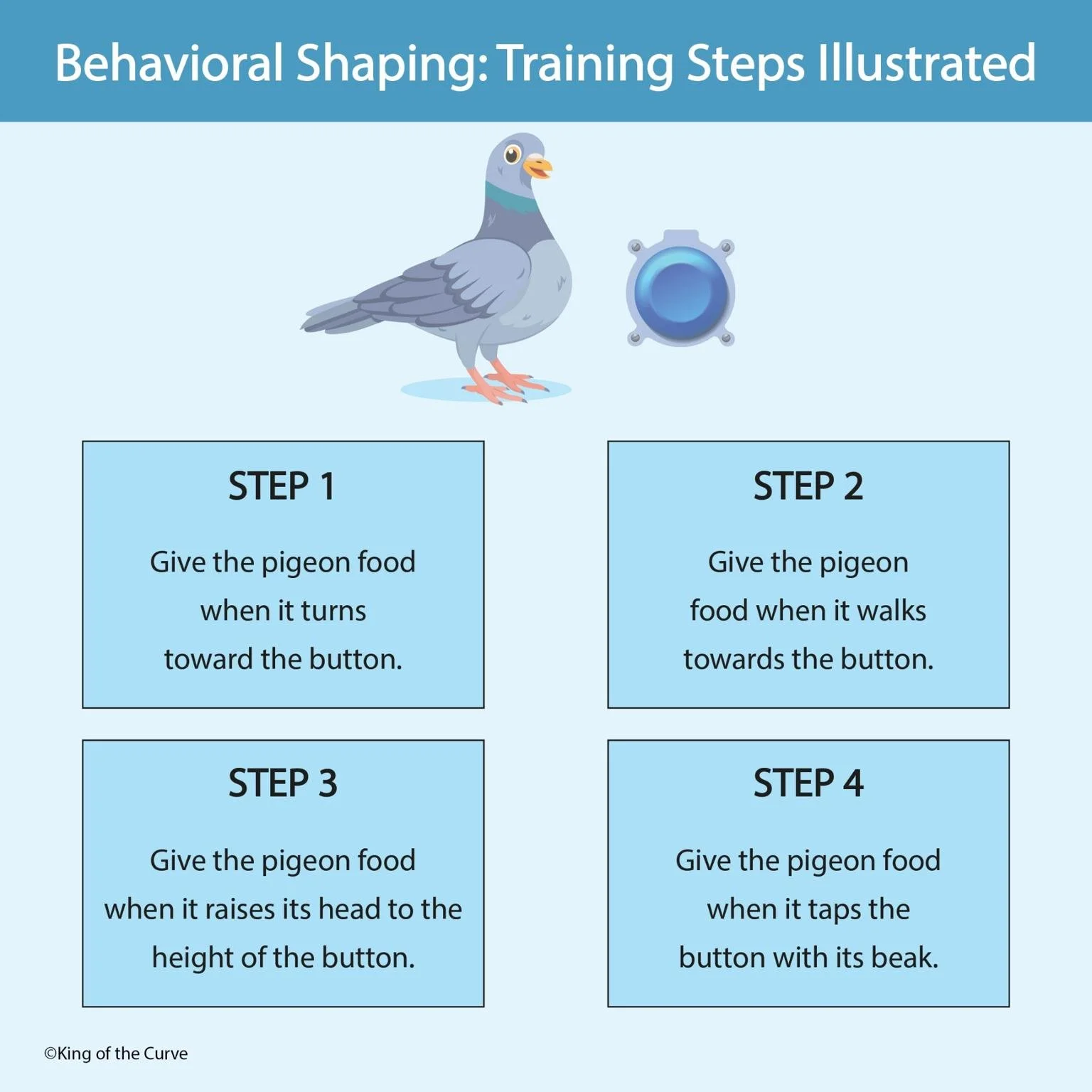
Shaping in animal training refers to the process of reinforcing successive approximations toward a final, complex target behavior. Rather than waiting for an animal to perform an entire trick or action spontaneously, the trainer breaks the goal down into smaller, manageable steps. Initial criteria are very simple, requiring only a basic movement or orientation in the right direction. As the learner consistently offers that initial step, the criteria shift slightly forward, rewarding only actions that come closer to the ultimate objective. This methodology transforms learning into an interactive game where frustration is minimized and cognitive engagement is maximized.
The Behavioral and Cognitive Benefits of Incremental Learning
Incremental learning builds confidence and emotional stability by allowing dogs to figure out solutions independently without the pressure of intimidation. When animals participate actively in problem-solving through operant conditioning—a learning process where behaviors are modified through consequences—neuroplasticity is supported, and stress hormones remain low. This careful structuring of tasks prevents the confusion that often leads to canine frustration or avoidance behaviors. Furthermore, breaking behaviors down into tiny increments helps maintain high levels of motivation for both the human and the canine learner.
Operant conditioning techniques that rely on positive reinforcement significantly reduce stress-related behavioral problems in companion animals compared to aversive methods. — American Veterinary Medical Association
Implementing the Shaping Process Effectively
Applying this training framework requires a clear understanding of behavioral criteria, precise timing of markers, and high-value rewards. To begin a shaping sequence, the handler identifies the final behavior and maps out intermediate milestones. A marker signal, such as a clicker or a specific verbal word like yes, pinpoints the exact millisecond the animal performs the desired micro-action. Immediate reinforcement follows the marker. Progression happens gradually; raising criteria too quickly stalls progress, while moving too slowly creates boredom. Observing subtle body language shifts helps determine when the learner fully understands the current step and is ready to advance.
Best Practices and Common Pitfalls to Avoid
Successful progression demands patience, consistency, and careful observation of the learner’s emotional state. A frequent mistake involves pushing the criteria forward too rapidly before the previous step is truly fluent, which leads to confusion and regression. Another pitfall is the accidental reinforcement of unwanted intermediary actions, such as jumping or whining, which highlights the importance of timing and environmental control. Keeping sessions brief prevents mental fatigue and maintains enthusiastic participation. Environmental distractions should be introduced only after the behavior is reliable in a quiet, familiar setting.
Maintaining short, focused training sessions of five to ten minutes optimizes canine retention and prevents cognitive overload during skill acquisition. — Association of Professional Dog Trainers
Pet Care & Wellness Overview Table
| Life Stage | Daily Activity Level | Key Nutrition / Care Focus |
|---|---|---|
| Puppy / Kitten | High (frequent short bursts) | High-protein growth diet & early socialization |
| Adult Companion | Moderate (30–60 mins daily) | Balanced maintenance nutrition & dental hygiene |
| Senior Pets | Low to Gentle (mindful walks) | Joint support (Glucosamine) & routine vet checks |
Images References






Adapting Techniques for Different Ages and Temperaments
Individual dogs vary widely in their learning pace, drive, and sensitivity to environmental stimuli, requiring flexible application of training strategies. Young puppies possess shorter attention spans and benefit from very rapid reinforcement cycles with tiny milestones, whereas adult dogs with established behavioral patterns might require more deliberate breaking down of complex tasks. Highly sensitive dogs may need lower-value rewards and gentler environmental conditions to prevent over-arousal. Tailoring the difficulty of each step to the specific animal ensures that learning remains an enjoyable, pressure-free experience for every Dog Training participant.
When to Consult a Professional Behaviorist
Persistent behavioral challenges such as severe fear, intense anxiety, resource guarding, or unprovoked aggression require specialized intervention beyond standard obedience techniques. Consulting a qualified professional, such as a board-certified veterinary behaviorist or a certified professional dog trainer utilizing humane methods, ensures an accurate assessment of underlying triggers. A professional can design a customized behavior modification plan that addresses safety and emotional health. Exploring resources in Dog Behavior and Dog Health can also help owners rule out medical contributors to sudden behavioral shifts.
Elevating Care Through Informed Practice
Mastering the principles of behavioral shaping allows owners to cultivate a deeper, more trusting relationship with their companion animals through clear communication and mutual respect. Educational resources covering Dog Care provide foundational knowledge that supports daily management and enrichment. Continued learning ensures that human-canine interactions remain positive, safe, and deeply rewarding for all involved. Visit PetsAnimalsWorld.com to explore more guides designed to enhance everyday life with pets.




