Understanding Canine Conduct and Environmental Stressors in Urban Environments
Living in a dynamic historic city presents distinct challenges and enrichment opportunities for companion animals, making professional guidance essential for household harmony. According to the American Kennel Club, behavioral issues remain one of the primary reasons dogs are relinquished to shelters, underscoring the vital importance of early intervention and structured guidance. Navigating crowded cobblestone streets, bustling tramways, and narrow public parks requires specific coping mechanisms that many domestic canines struggle to develop instinctively. When daily walks transform into sources of frustration rather than pleasure, households often seek specialized support to decode canine communication signals. Evaluating professional expertise requires looking beyond basic obedience instruction into the specialized realm of ethology, which is the scientific study of animal behavior.
💡 Pet Care Key Takeaways:
- Core Focus: Practical health, nutrition, and wellness guidelines for Dog Behaviorist Edinburgh.
- Target Scope: Pet owners, animal caregivers, and veterinary support staff.
- Best Recommendation: Maintain consistent daily routines and consult an accredited veterinarian before introducing major diet or medical changes.
Defining the Role of a Canine Specialist in the Scottish Capital
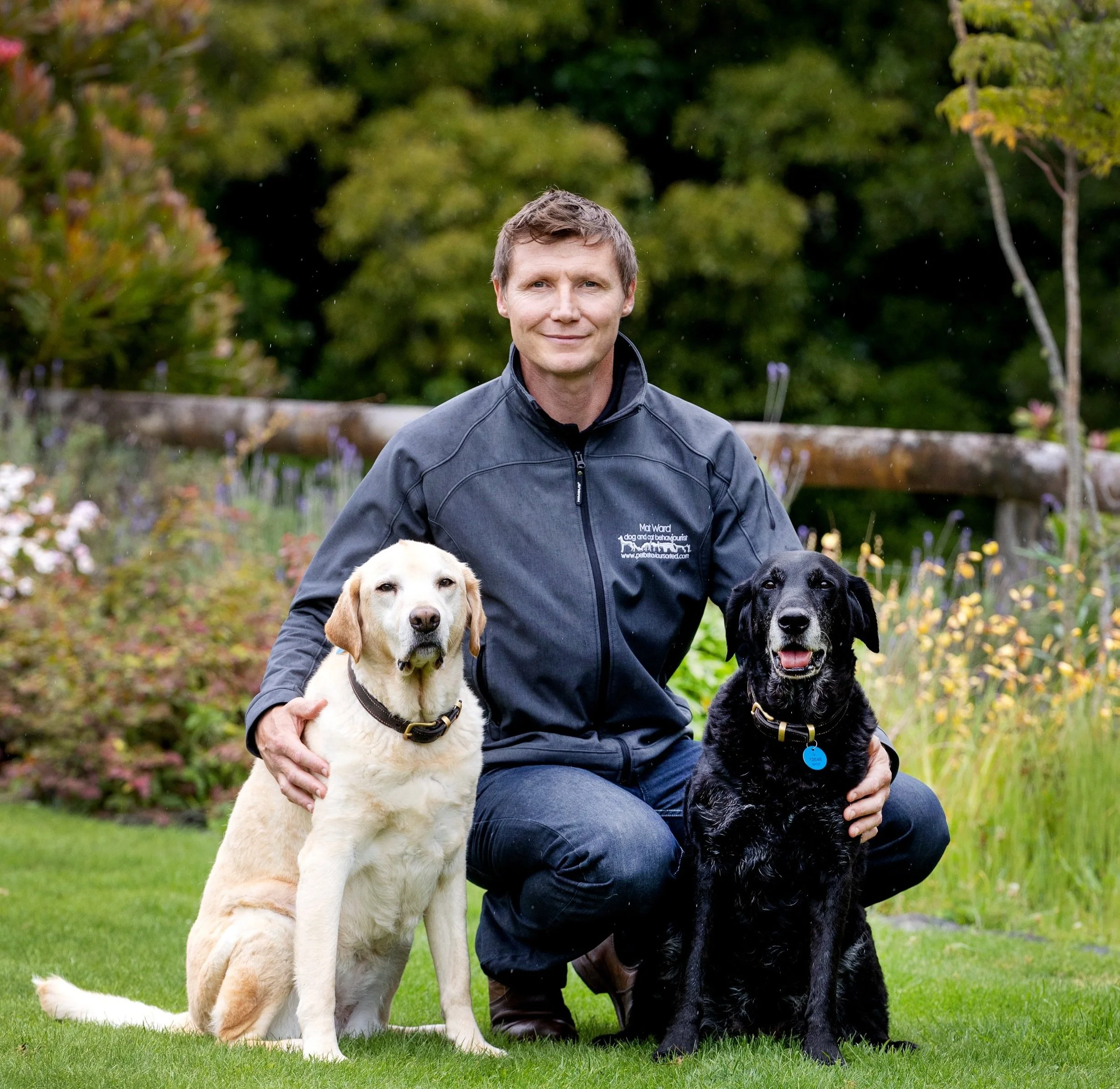
A dog behaviorist edinburgh professional evaluates complex psychological challenges such as separation anxiety, noise phobias, and reactive responses through evidence-based methodologies. Unlike general trainers who primarily focus on basic obedience commands like sit, stay, and heel, behavioral practitioners investigate the underlying emotional motivations driving specific actions. This scientific approach relies on applied behavior analysis, a framework that examines how environmental triggers influence learning and emotional states. Practitioners assess antecedent events, which are the triggers that occur immediately before an unwanted action, to restructure the environment and prevent rehearsal of undesirable habits. By focusing on emotional regulation rather than mere compliance, specialists help animals build resilience against daily stressors encountered in metropolitan neighborhoods. For more related activities, check out our Dog Behaviorist Certification.
Impact on Canine Welfare and Household Dynamics
Unresolved behavioral concerns frequently compromise the physical and psychological well-being of both the animal and human family members, creating chronic household tension. Chronic stress elevates cortisol levels in canines, which can eventually manifest as compromised immune function, digestive disturbances, and sleep deprivation. Addressing these deep-seated concerns requires a comprehensive evaluation of the dog’s daily routine, dietary habits, and social interactions. When professional strategies successfully reduce anxiety, overall quality of life improves markedly, fostering a secure bond built on mutual trust and predictable communication. Environmental enrichment, cognitive challenges, and structured decompression time play fundamental roles in maintaining long-term emotional stability for urban pets.
Behavioral modifications that rely on positive reinforcement produce lower stress levels and more reliable long-term outcomes than punishment-based techniques. — American Veterinary Medical Association
Implementing Evidence-Based Behavioral Modification Strategies
Successful modification programs utilize desensitization and counter-conditioning to alter how an animal perceives previously frightening or triggering stimuli. Desensitization involves gradual, controlled exposure to a stressor at a sub-threshold intensity, ensuring the animal remains calm and receptive to learning. Counter-conditioning pairs that same stimulus with a highly valued reward, shifting the emotional response from fear or aggression to anticipation of something positive. Consistency across all household members is paramount, as mixed signals can confuse the animal and stall progress. Documenting daily triggers and behavioral responses in a journal helps practitioners track improvements and refine the intervention plan over time.
Best Practices and Common Pitfalls to Avoid During Training
Avoiding punitive, intimidation-based, or dominance-based techniques is crucial, as an assertive or harsh approach frequently escalates fear and defensive aggression. Owners must also resist the temptation to flood the animal by exposing it to overwhelming environments all at once, which often causes learned helplessness rather than true adaptation. Patience serves as the most effective tool, acknowledging that neurological pathways take time to rewire through consistent, positive reinforcement. Establishing clear routines regarding rest, feeding, and physical exercise provides a predictable foundation that supports behavioral rehabilitation efforts.
Early socialization during the developmental window between eight and sixteen weeks significantly reduces the incidence of fear-related behaviors in adult dogs. — American Society for the Prevention of Cruelty to Animals
Pet Care & Wellness Overview Table
| Life Stage | Daily Activity Level | Key Nutrition / Care Focus |
|---|---|---|
| Puppy / Kitten | High (frequent short bursts) | High-protein growth diet & early socialization |
| Adult Companion | Moderate (30–60 mins daily) | Balanced maintenance nutrition & dental hygiene |
| Senior Pets | Low to Gentle (mindful walks) | Joint support (Glucosamine) & routine vet checks |
Images References






Breed Predispositions, Age, and Individual Temperament Factors
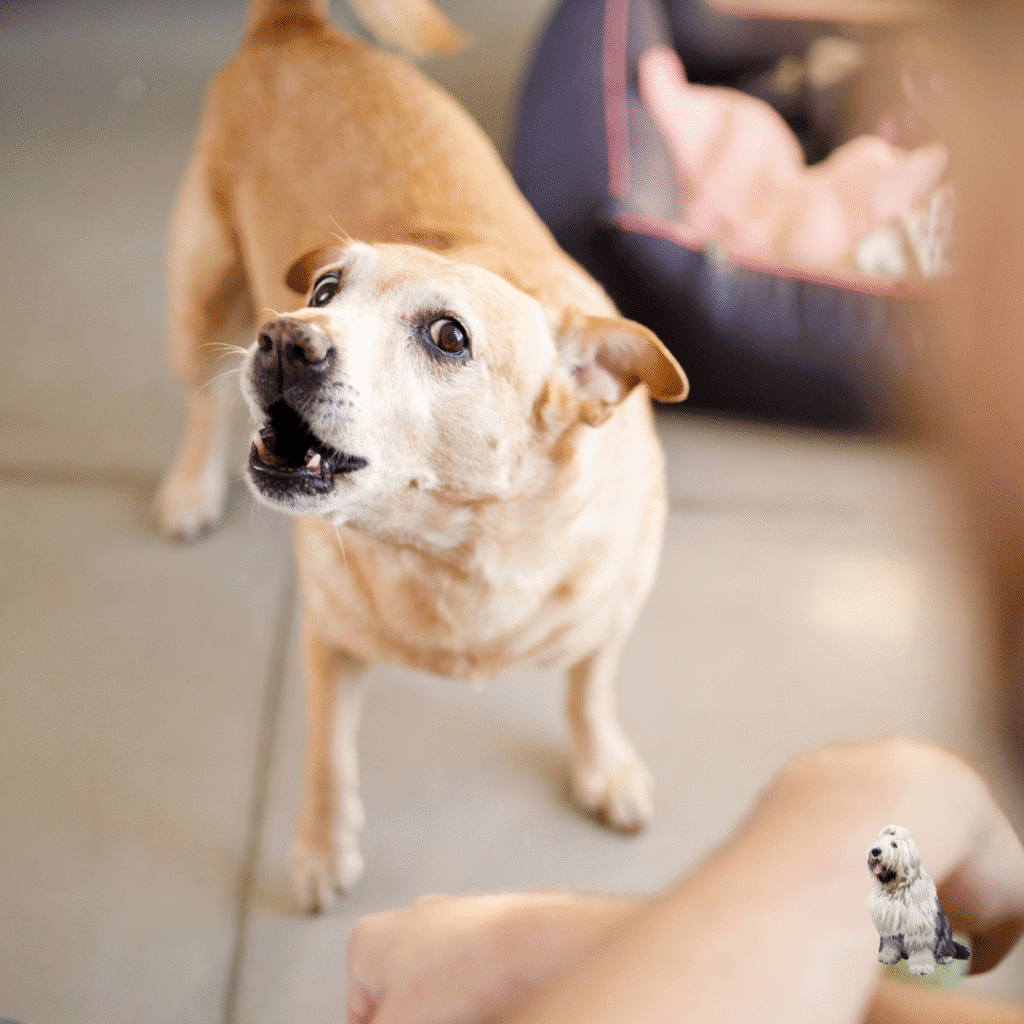
Every individual dog possesses a unique genetic blueprint, temperament profile, and developmental history that dictates its capacity to adapt to environmental changes. Herding breeds, for instance, may display intense stalking or nipping tendencies when under-stimulated in compact city apartments, requiring targeted outlets for their natural work drives. Conversely, guardian breeds might exhibit heightened territorial vigilance when exposed to constant foot traffic outside apartment windows. Recognizing these innate breed characteristics prevents unrealistic expectations and guides the selection of appropriate management strategies tailored to the specific animal rather than generalized assumptions.
When to Consult a Veterinary Professional or Certified Specialist
Persistent behavioral shifts, sudden onset aggression, or severe anxiety warrant an immediate veterinary examination to rule out underlying medical conditions, pain, or neurological issues. Many behavioral symptoms serve as the primary external indicator of internal discomfort, such as dental pain, osteoarthritis, or gastrointestinal distress. Once medical clearance is established, partnering with a certified behaviorist ensures that rehabilitation plans remain safe, humane, and scientifically sound. For comprehensive guidance on keeping companion animals healthy and balanced, explore resources on Dog Behavior, Dog Training, and general Dog Care.
Securing Professional Guidance for Urban Companion Animals
Selecting the right professional requires verifying credentials, memberships in reputable behavioral organizations, and a strict commitment to humane, science-based methods. Urban environments present unique sensory landscapes that demand tailored support systems to ensure our canine companions thrive rather than merely cope. By investing in professional behavioral assessments and compassionate guidance, households build resilient, confident animals capable of navigating city life with ease. Visit PetsAnimalsWorld.com to discover additional insights on Dog Health and Dog Nutrition to support your pet’s holistic well-being.