
Understanding canine conduct through modern reference guides
According to the American Society for Prevention of Cruelty to Animals, understanding the foundational principles of canine ethology helps caregivers navigate everyday challenges safely and effectively. Modern pet guardians frequently turn to collaborative online encyclopedias when seeking quick explanations for puzzling canine actions. Researching dog behavior wikipedia style resources offers an accessible entry point into the vast world of canine science, translating complex psychological concepts into digestible summaries. However, navigating crowdsourced information requires a balanced perspective, pairing general digital research with established veterinary science and humane training philosophies.
💡 Pet Care Key Takeaways:
- Core Focus: Practical health, nutrition, and wellness guidelines for Dog Behavior Wikipedia.
- Target Scope: Pet owners, animal caregivers, and veterinary support staff.
- Best Recommendation: Maintain consistent daily routines and consult an accredited veterinarian before introducing major diet or medical changes.
Defining the scope of canine behavior documentation
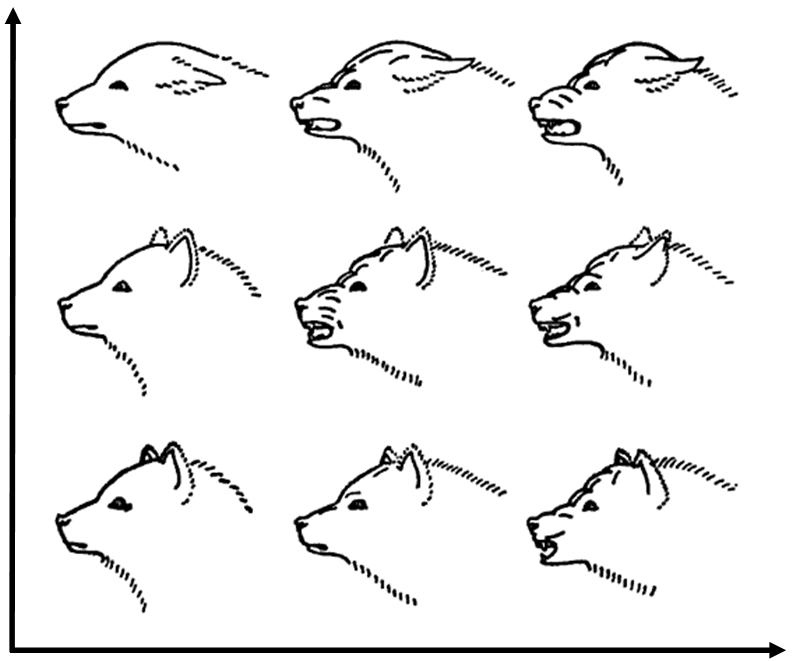
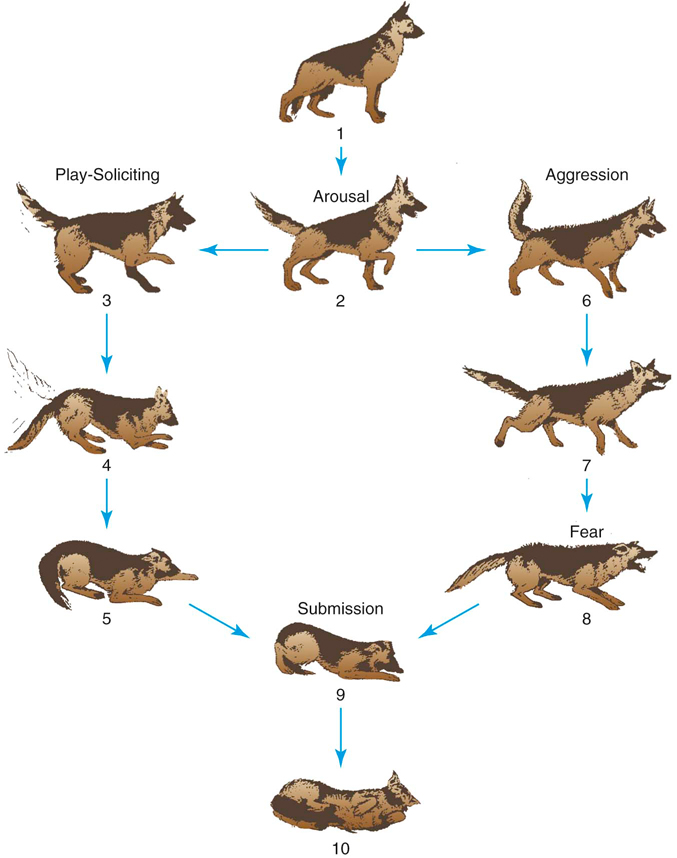
Digital reference articles regarding canine conduct compile historical domestication traits, ethological studies, and modern learning theory into structured encyclopedic entries. These summaries typically outline common actions such as vocalization, scent marking, posture changes, and predatory sequences, helping readers recognize normal species-specific patterns. Ethology, which is the scientific study of animal behavior under natural conditions, forms the backbone of these entries. By examining how dogs communicate through body language and vocal cues, readers gain a structured framework for interpreting why a companion animal reacts in specific ways to environmental stimuli. For more related activities, check out our Dog Behavior Camp.
The influence of digital references on daily pet management
Consulting crowd-sourced information channels helps animal guardians identify early warning signs of stress, fear, or discomfort before escalation occurs. Recognizing subtle physiological cues—such as lip licking, yawning in non-fatigued contexts, or whale eye where the whites of the eyes remain visible—allows individuals to modify environmental triggers promptly. Misinterpreting these baseline signals can inadvertently reinforce unwanted patterns or heighten anxiety levels in domestic dogs. Reliable digital summaries emphasize observational learning and positive reinforcement, guiding caregivers toward compassionate interventions rather than outdated, intimidation-based methods that compromise emotional wellbeing.
Observing subtle physiological signs of stress, such as lowered body postures and averted gazes, helps prevent reactive outbursts in domestic dogs. — American Society for Prevention of Cruelty to Animals
Applying evidence-informed strategies to everyday handling
Translating online informational text into practical household routines involves prioritizing positive reinforcement and environmental management over punitive corrections. Operant conditioning, a method of learning that uses rewards and consequences to shape responses, serves as the gold standard in contemporary animal husbandry. Caregivers should focus on rewarding desired actions with high-value treats, praise, or play while systematically removing opportunities for practicing undesirable habits. For instance, managing a counter-surfing habit involves keeping counters clear and rewarding calm floor attention rather than scolding the animal after the fact.
Best practices and common pitfalls in interpreting online guidance
A frequent misstep among guardians involves treating generalized encyclopedic summaries as bespoke diagnoses for individual canine personalities. Every domestic animal possesses a distinct genetic background, socialization history, and temperament that shapes emotional expression. Relying exclusively on unverified online edits without consulting professional resources can delay necessary interventions for underlying medical discomfort. Effective application of digital guides requires cross-referencing information with statements from recognized institutions like the American Veterinary Medical Association to ensure safety and accuracy.
Positive reinforcement methods strengthen the bond between human and animal while establishing clear communication channels. — American Veterinary Medical Association
Pet Care & Wellness Overview Table
| Life Stage | Daily Activity Level | Key Nutrition / Care Focus |
|---|---|---|
| Puppy / Kitten | High (frequent short bursts) | High-protein growth diet & early socialization |
| Adult Companion | Moderate (30–60 mins daily) | Balanced maintenance nutrition & dental hygiene |
| Senior Pets | Low to Gentle (mindful walks) | Joint support (Glucosamine) & routine vet checks |
Images References







Breed heritage, developmental stages, and individual temperament
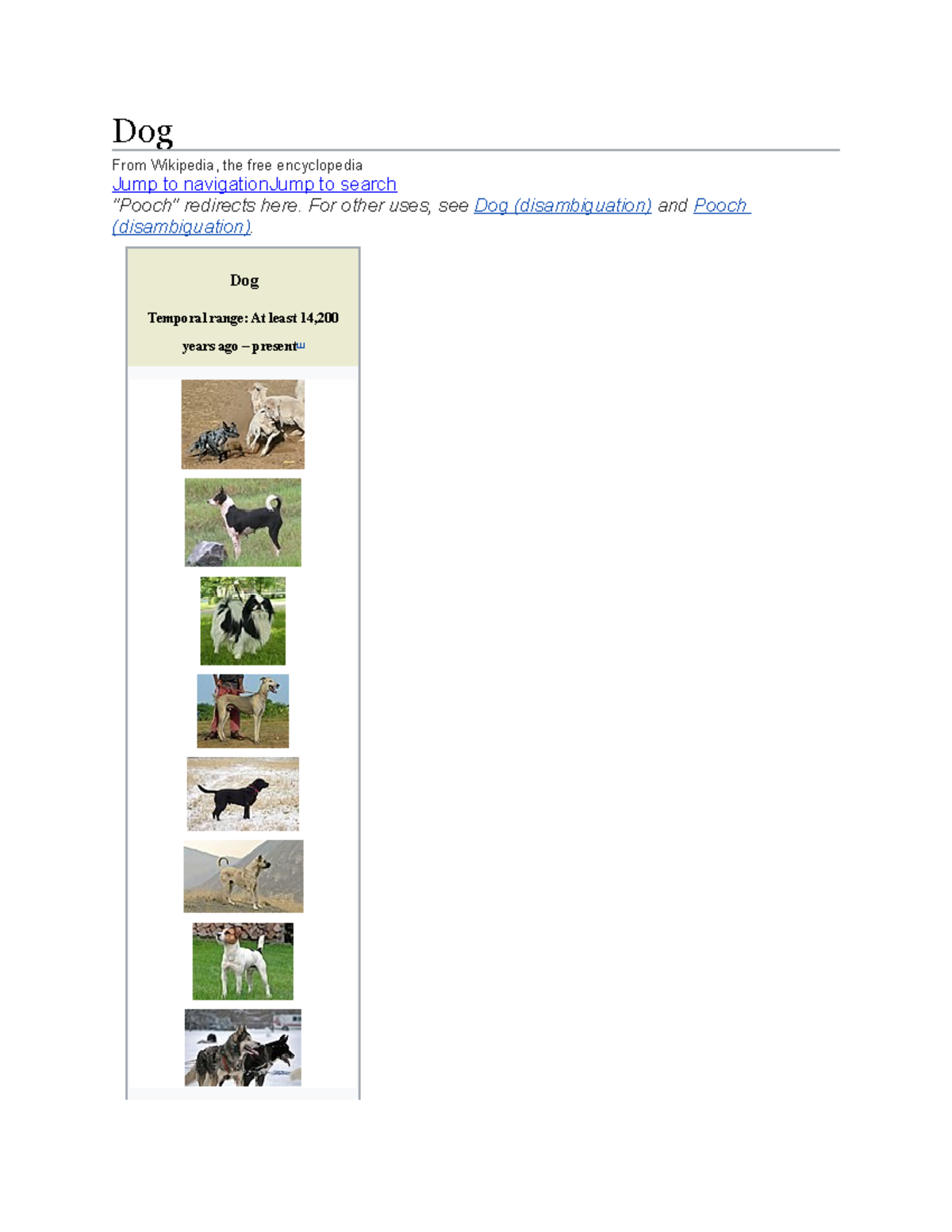
Genetics and developmental milestones heavily influence how individual dogs process their environment and express instinctive drives. Sighthounds, working livestock guardians, and terrier types often display vastly different predatory motor patterns and reactivity thresholds based on their historical selection criteria. Furthermore, juvenile development periods require deliberate socialization to prevent fear-based responses during adulthood. Recognizing that a working breed requires both mental enrichment and physical exertion prevents destructive outlets born from boredom, aligning daily routines with biological needs.
When to seek professional veterinary and behavioral intervention
Persistent fear, sudden aggression, destructive separation distress, or self-harming habits require immediate evaluation by a qualified veterinary professional or certified behavior consultant. Medical ailments such as hypothyroidism, neurological disorders, and chronic pain frequently manifest as sudden shifts in temperament, necessitating comprehensive diagnostic testing. For severe behavioral concerns, avoid punitive or dominance-based techniques, as these approaches exacerbate fear and heighten bite risk. Partnering with a veterinary behaviorist ensures that both physical health and psychological well-being are addressed comprehensively and humanely.
Exploring further resources on canine science and care
Expanding knowledge regarding animal psychology empowers guardians to cultivate enriching environments for their household companions. Trusted educational platforms offer structured guidance on Dog Behavior, proper Dog Training methodologies, and foundational Dog Care practices. By combining digital research with professional oversight, caregivers foster lasting wellness. Visit PetsAnimalsWorld.com today to explore additional expert-backed resources spanning Dog Health and Dog Nutrition.




