

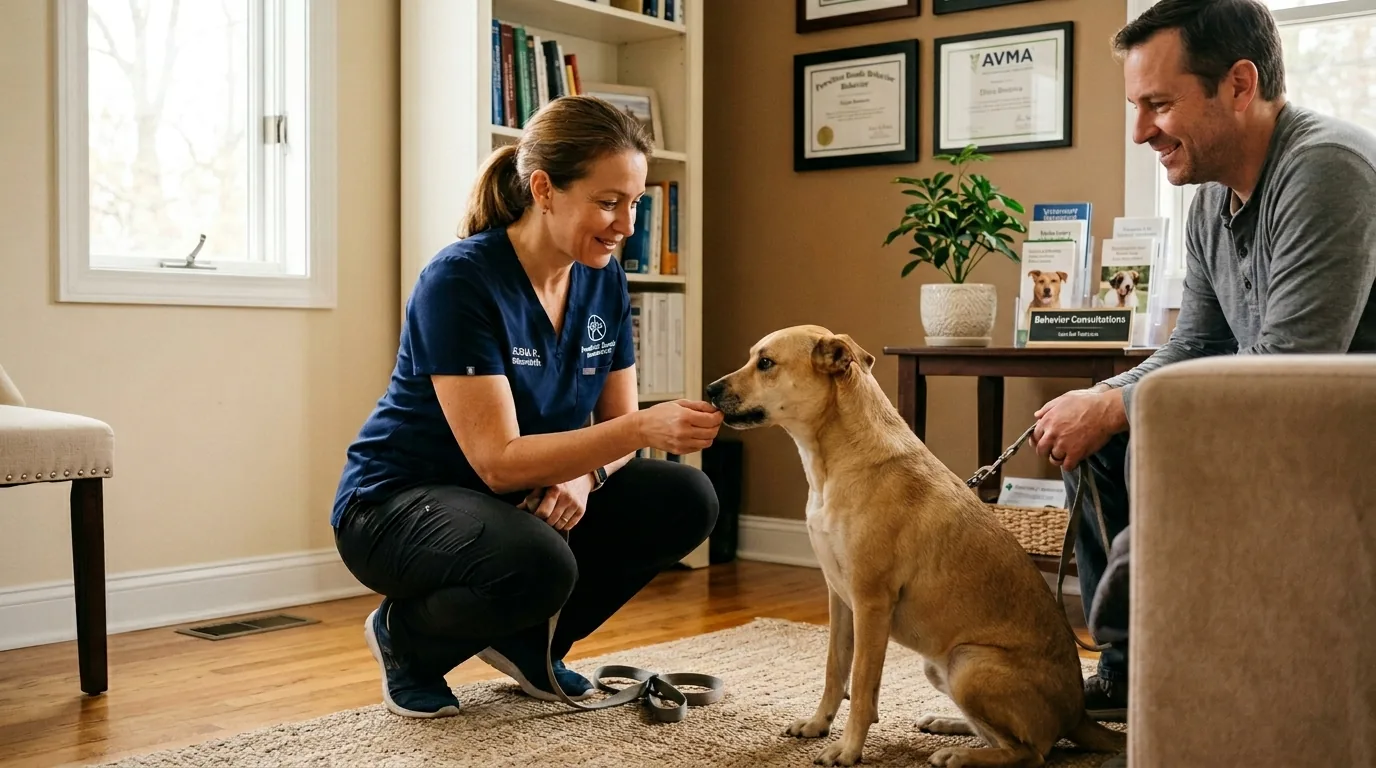
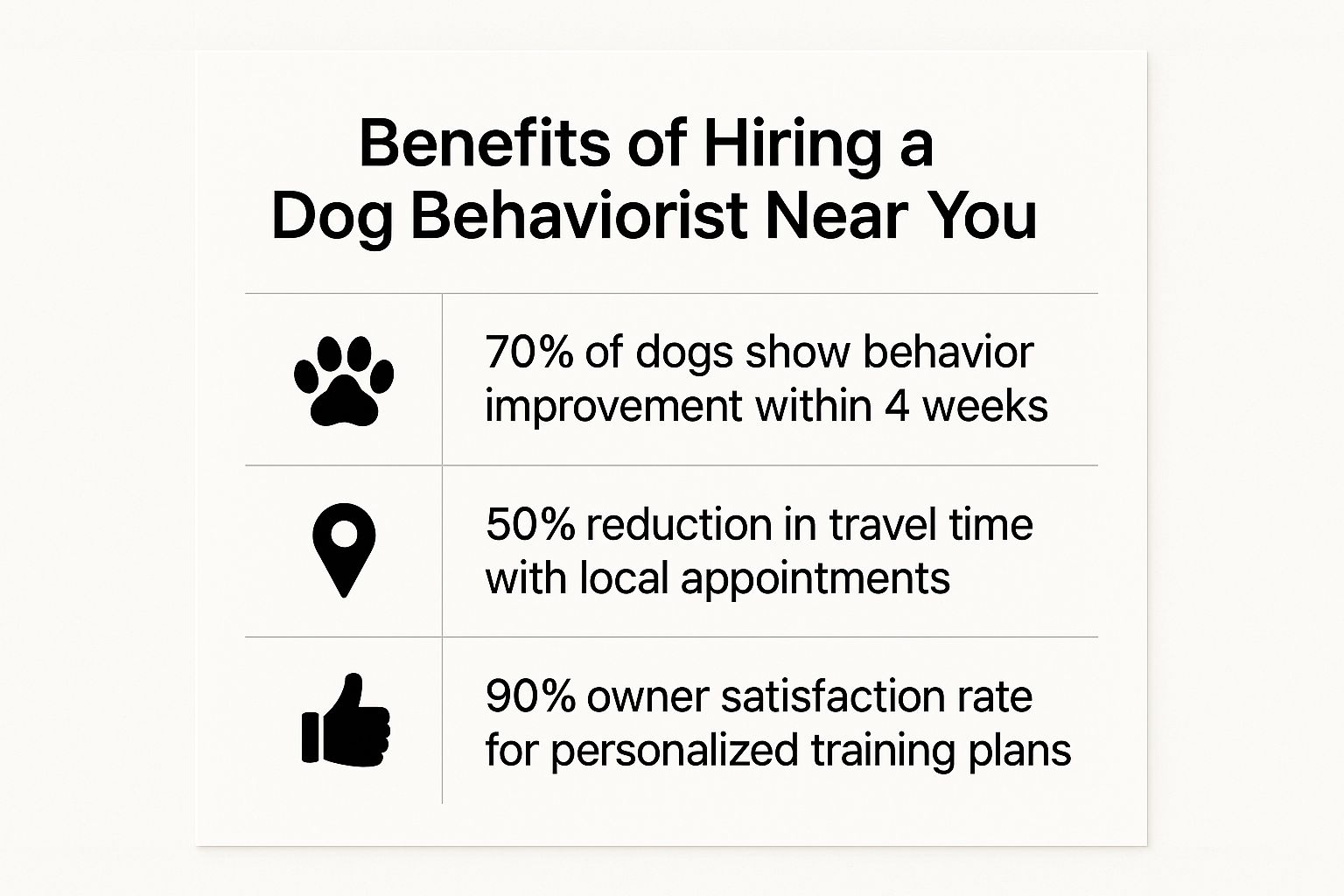
Finding professional behavioral support nearby remains a priority for households managing complex canine conduct issues. According to the American Society for Prevention of Cruelty to Animals (ASPCA), behavioral problems represent a primary reason companion animals are relinquished to shelters, making early and accessible intervention critical for keeping families together. When searching for a dog behaviorist near me within 5 mi, owners typically hope to find specialized expertise right in the neighborhood. Local proximity ensures that sessions can happen in the dog’s actual living environment without prolonged travel stress, facilitating more accurate assessments of daily triggers.
💡 Pet Care Key Takeaways:
- Core Focus: Practical health, nutrition, and wellness guidelines for Dog Behaviorist Near Me Within 5 Mi.
- Target Scope: Pet owners, animal caregivers, and veterinary support staff.
- Best Recommendation: Maintain consistent daily routines and consult an accredited veterinarian before introducing major diet or medical changes.
Defining Local Animal Behavior Expertise and Scope
A local search for a dog behaviorist near me within 5 mi connects caretakers with qualified professionals who study, analyze, and modify complex animal conduct. Animal behavior involves the scientific study of how dogs interact with their environment, other animals, and humans, drawing on principles of learning theory and ethology. Certified behaviorists differ from standard obedience instructors by focusing on the underlying emotional drivers of actions, such as fear, anxiety, or compulsive habits, rather than simply teaching basic commands. Working with someone nearby streamlines the process of evaluating real-world environmental stressors like neighborhood foot traffic, local wildlife, and household noises. For more related activities, check out our Dog Behavior And Training.
The Impact of Environment and Stress on Conduct
Environmental factors within a tight geographic radius significantly shape daily canine responses and emotional well-being. Chronic exposure to localized stressors, such as noisy street construction, nearby barking dogs, or dense foot traffic, can elevate baseline cortisol levels and trigger reactive responses. Conversely, predictable neighborhood routines and controlled exposure to environmental stimuli foster emotional stability and resilience. Establishing a structured routine within the immediate neighborhood helps mitigate chronic anxiety and supports long-term behavioral health goals.
Environmental enrichment and structured local walks significantly reduce stress-related behavioral complaints in domestic canines. — American Veterinary Medical Association
Implementing Humane Behavioral Modification Strategies
Addressing persistent behavioral challenges requires systematic, evidence-informed methodologies focused on positive reinforcement and desensitization. Systematic desensitization involves gradually exposing a dog to a feared or triggering stimulus at a low intensity that does not elicit a fear response, while counterconditioning pairs that stimulus with a positive outcome like high-value food rewards. These scientific techniques reshape neural pathways without relying on intimidation, dominance theories, or punishment, which can worsen underlying anxiety and aggression. Consistency across all household members ensures the animal receives clear signals during every interaction.
Best Practices and Common Pitfalls in Behavior Modification
Successful behavior modification depends heavily on patience, consistency, and careful management of the dog’s environment. A frequent mistake involves rushing exposure phases or flooding the animal with too many triggers at once, which typically causes emotional setbacks. Caretakers should also avoid punitive corrections, as reprimanding a reactive dog often increases fear and defense mechanisms. Maintaining realistic expectations and celebrating small milestones fosters a more supportive learning environment for both the handler and the canine companion.
Reward-based training methods yield superior behavioral outcomes and strengthen the human-animal bond compared to aversive techniques. — American College of Veterinary Behaviorists
Pet Care & Wellness Overview Table
| Life Stage | Daily Activity Level | Key Nutrition / Care Focus |
|---|---|---|
| Puppy / Kitten | High (frequent short bursts) | High-protein growth diet & early socialization |
| Adult Companion | Moderate (30–60 mins daily) | Balanced maintenance nutrition & dental hygiene |
| Senior Pets | Low to Gentle (mindful walks) | Joint support (Glucosamine) & routine vet checks |
Images References




Breed, Age, and Temperament Influences
Individual behavioral tendencies are heavily influenced by a combination of genetic predisposition, developmental stage, and unique temperament. Working breeds bred for specific tasks may exhibit intense herding or guarding instincts that require appropriate outlets within a neighborhood setting, while companion breeds might display heightened sensitivity to social isolation. Puppies, adolescent dogs, and senior animals each process environmental stimuli differently, requiring tailored management strategies that respect their physical capabilities and cognitive development stage. Understanding these inherent traits prevents unrealistic expectations and guides appropriate training approaches.
When to Consult a Veterinary Professional or Specialist
Persistent, severe, or escalating behavioral concerns require professional evaluation from a veterinarian or a board-certified veterinary behaviorist. Sudden changes in conduct, such as unprovoked aggression, house-soiling, disorientation, or extreme lethargy, frequently signal an underlying medical condition, pain, or neurological issue that training alone cannot resolve. For suspected poisoning, difficulty breathing, seizures, collapse, severe bleeding, or other potentially urgent conditions, immediate veterinary care is essential. Never attempt to diagnose an individual dog from general descriptions, and always prioritize a thorough physical examination to rule out medical contributors before embarking on intensive behavior modification programs.
Connecting with Comprehensive Canine Resources
Accessing reliable educational resources empowers owners to make informed decisions regarding training, health, and everyday care. Exploring specialized guides on Dog Behavior and Dog Training provides deeper insights into humane modification techniques. Additionally, understanding broader aspects of canine wellness through Dog Health and Dog Care ensures that physical and emotional needs are met comprehensively. Visit PetsAnimalsWorld.com today to discover expert-backed articles and resources designed to support every stage of the journey with a canine companion.




