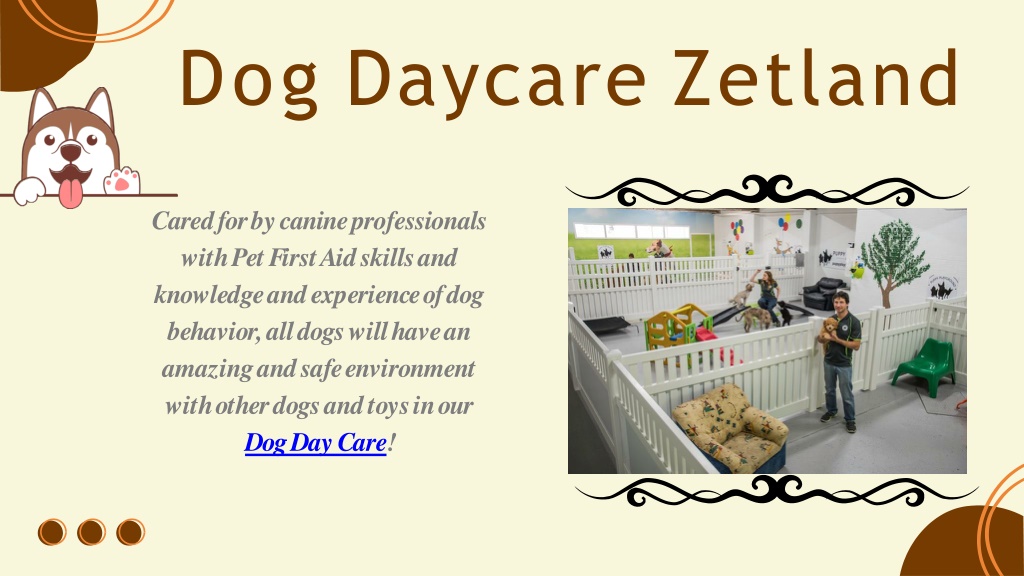
Understanding the Concept of Doggy Day Care Zip World for Modern Pets
Navigating modern pet care options requires understanding specialized facility environments, including unique digital or physical service models associated with searches for doggy day care zip world. According to the American Kennel Club, social enrichment and structured daily routines play vital roles in supporting canine mental well-being and preventing destructive home behaviors. Finding the right facility involves evaluating location-based platforms, local listings, and specialized service hubs that connect guardians with professional group play environments. Investigating these localized network hubs helps caretakers discover licensed facilities equipped to manage energetic dogs during typical workday hours. Explore more in our Pets collection.
💡 Pet Care Key Takeaways:
- Core Focus: Practical health, nutrition, and wellness guidelines for Doggy Day Care Zip World.
- Target Scope: Pet owners, animal caregivers, and veterinary support staff.
- Best Recommendation: Maintain consistent daily routines and consult an accredited veterinarian before introducing major diet or medical changes.
Defining Doggy Day Care Zip World and Localized Facility Networks
Doggy day care zip world typically refers to geographic locator tools, digital directories, or regional facility networks designed to help owners find supervised group boarding and daytime care near specific postal zones. These service directories streamline the search process by filtering options based on proximity, facility size, operating hours, and specialized amenities. Professional group facilities offer supervised play yards, climate-controlled indoor spaces, and structured rest periods to ensure balanced daily routines. Utilizing geographic search tools allows guardians to compare nearby options efficiently, verifying safety standards and staff credentials before enrolling a companion animal. For more related activities, check out our Doggy Daycare Kidderminster.
Behavioral and Social Impacts of Supervised Group Day Care Environments
Supervised group environments can significantly influence canine social development, stress levels, and overall behavioral stability. Regular exposure to balanced playgroups helps dogs build confidence, learn appropriate communication signals, and expend surplus energy constructively. However, high-density play spaces can also introduce overstimulation, fatigue, or reactive triggers for animals that struggle with impulse control. Careful temperament evaluations conducted by professional staff help determine whether a specific dog thrives in a communal setting or requires a more individualized daytime care structure. Maintaining open communication with facility staff ensures that subtle shifts in body language or stress signals are addressed promptly.
Properly managed group play environments reduce destructive boredom behaviors by providing structured mental and physical stimulation during the day. — American Kennel Club
Evaluating Facility Standards and Managing Safety Protocols
Selecting a reputable daytime facility requires thorough evaluation of staff-to-dog ratios, sanitation protocols, and emergency veterinary procedures. High-quality operators maintain low staff ratios to monitor group interactions closely, interrupting rough play or mounting behavior before conflict arises. Facilities should maintain strict vaccination requirements, including up-to-date rabies, distemper, and Bordetella immunizations, to minimize infectious disease transmission in enclosed group settings. Touring the physical layout allows guardians to inspect flooring materials, ventilation systems, and secure outdoor fencing designed to prevent accidental escapes.
Best Practices and Common Mistakes in Choosing Canine Care Facilities
Avoiding common selection mistakes ensures a positive and safe experience for companion animals entering group care. A frequent error involves overlooking the importance of trial days, during which staff assess how a dog adjusts to the sights, sounds, and unfamiliar dogs within the facility. Guardians should prioritize locations that emphasize positive reinforcement, gentle handling, and scheduled downtime over facilities that rely on overcrowded play yards without adequate rest breaks. Establishing a gradual acclimation schedule helps prevent overwhelming anxiety, allowing dogs to build positive associations with the environment over time.
Enclosed boarding and day care facilities must enforce rigorous sanitation protocols and verification of core vaccinations to protect public and canine health. — American Veterinary Medical Association
Pet Care & Wellness Overview Table
| Life Stage | Daily Activity Level | Key Nutrition / Care Focus |
|---|---|---|
| Puppy / Kitten | High (frequent short bursts) | High-protein growth diet & early socialization |
| Adult Companion | Moderate (30–60 mins daily) | Balanced maintenance nutrition & dental hygiene |
| Senior Pets | Low to Gentle (mindful walks) | Joint support (Glucosamine) & routine vet checks |
Images References




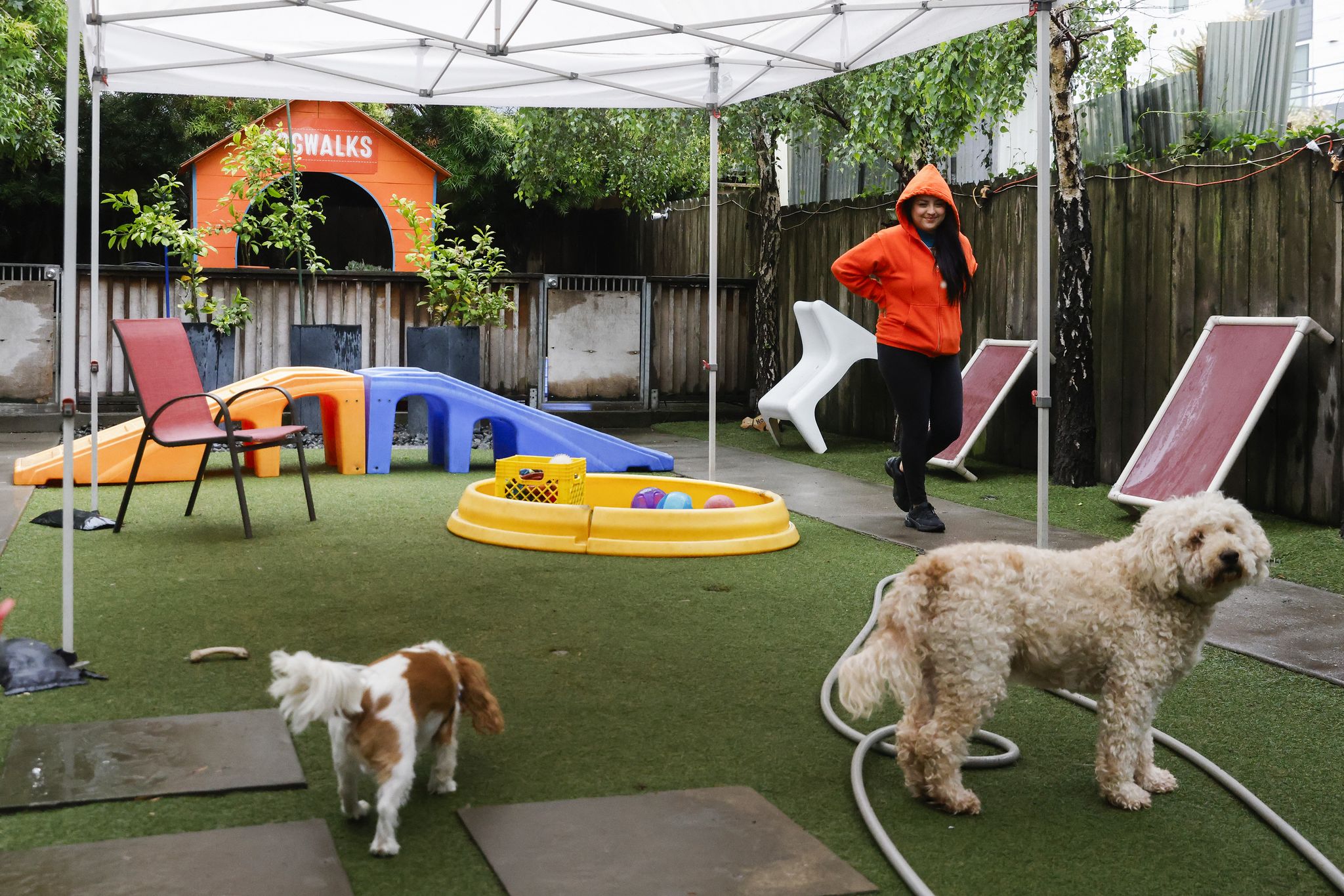

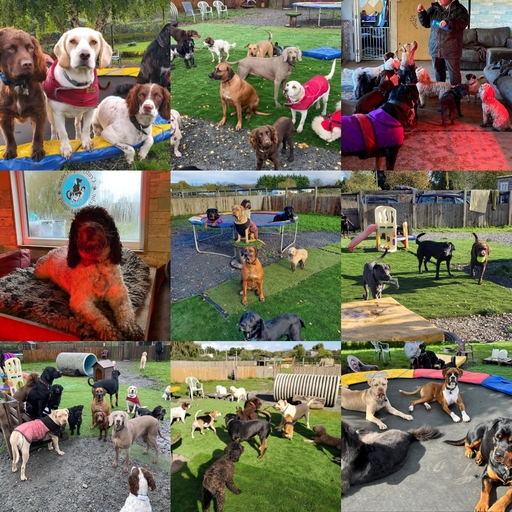


Breed, Age, and Temperament Factors in Group Day Care Suitability
Individual characteristics such as breed background, life stage, and baseline temperament strongly influence whether a dog enjoys a busy day care setting. High-energy working breeds often appreciate the physical outlet, while senior dogs, brachycephalic breeds sensitive to heat, or reactive individuals may experience excessive stress or physical strain. Puppies require specialized socialization protocols that protect their developing immune systems and growing joints from the wear and tear of boisterous adult playgroups. Assessing an individual animal’s unique behavioral profile with professional guidance prevents forcing an incompatible pet into an unsuitable communal environment.
When to Consult Veterinary Professionals and Certified Trainers
Professional guidance from a veterinarian or a certified behaviorist becomes essential if a dog exhibits persistent anxiety, aggression, or distress related to day care attendance. Sudden changes in appetite, unexplained physical injuries, or intense reluctance to enter a facility warrant immediate medical examination and behavioral re-evaluation. A qualified professional can help identify underlying medical discomfort, design a specialized behavior modification plan, or recommend alternative care solutions such as in-home pet sitters for animals unsuited to group environments. Prioritizing individual comfort over convenience protects long-term psychological and physical health.
Exploring Comprehensive Pet Care Resources Online
Maintaining optimal companion animal wellness requires continuous education across multiple dimensions of daily husbandry, behavioral science, and preventive health. Delving into dedicated educational hubs helps guardians make informed decisions regarding Dog Behavior, nutrition, and specialized care routines. Exploring resources focused on Dog Training and Dog Health equips owners with actionable knowledge to support their pets through every life stage. Visit PetsAnimalsWorld.com to discover comprehensive guides, expert insights, and practical care strategies designed to foster strong, healthy relationships between humans and their animal companions.