Introduction
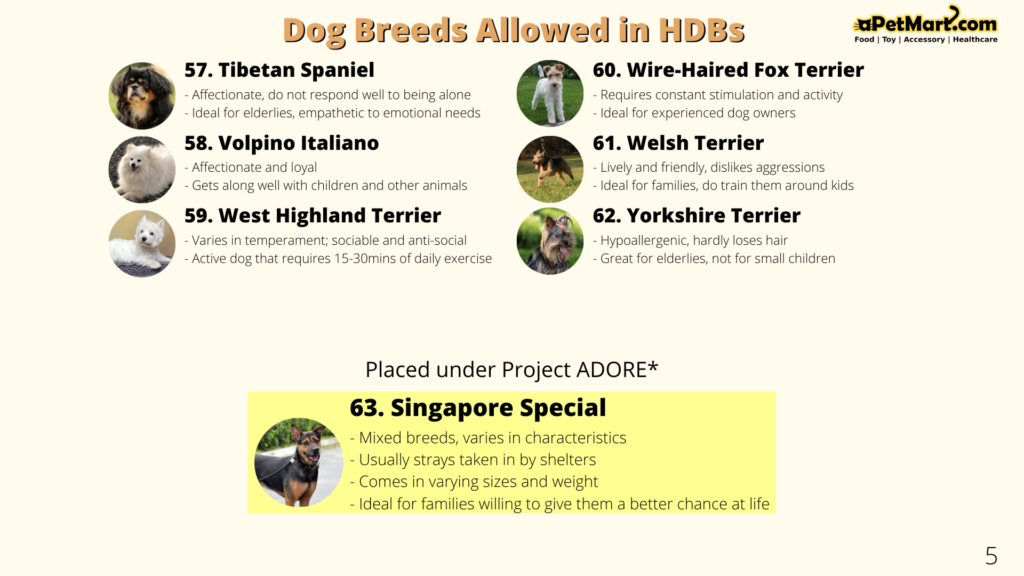
Dog breeds allowed in Singapore HDB (Housing & Development Board) apartments are strictly restricted to specific small-sized canines and approved mixed breeds weighing under 10 kilograms and measuring 55 centimeters or less at the shoulder. According to the International Association of Animal Behavior Consultants (IAABC), matching a companion animal’s behavioral traits and exercise thresholds to a compact living environment is essential for preventing chronic anxiety, destructive stress responses, and nuisance barking in high-density residential settings. Managing these approved companion animals requires a rigorous understanding of urban Dog Behavior, localized veterinary healthcare management, and optimal Dog Nutrition to maintain metabolic wellness within confined spaces. Strict regulatory compliance protects community harmony while safeguarding the psychological health of urban canines.
Pet Wellness & Behavior Snapshot:
- Core Focus: Regulatory compliance, behavioral adaptation, and daily health management for HDB-approved canine companions.
- Target Scope: Urban apartment dwellers, prospective pet guardians, and animal health caregivers managing compact dogs.
- Key Recommendation: Select a government-sanctioned small breed and implement structured indoor enrichment protocols alongside balanced dietary planning.
Core Principles and Detailed Overview
Dog breeds allowed in Singapore HDB housing frameworks are governed by strict municipal guidelines designed to ensure public safety and animal welfare under Project ADORE (Adoption and Rehoming of Dogs) and official HDB pet ownership regulations. Approved purebreds include miniature variations such as Poodles, Maltese, Shih Tzus, and Pomeranians, alongside certified mixed-breed dogs meeting height and weight thresholds. Understanding Dog Care under these urban constraints demands careful tracking of physical development and early socialization. Because confined vertical living limits natural roaming behaviors, professional Dog Training becomes mandatory to curb barrier frustration, leash reactivity, and separation anxiety. Pet parents must also prioritize preventative Dog Health screenings, regular dental evaluations, and weight-optimized feeding schedules to prevent metabolic disorders common in low-activity indoor pets.
Key Specifications and Breakdown
| Observed Indicator / Factor | Veterinary & Behavioral Explanation | Actionable Management Protocol |
|---|---|---|
| Height and Weight Limits | HDB regulations mandate that dogs must not exceed 10 kg in weight and 55 cm in height to ensure safe handling in shared elevators and void decks. | Verify precise measurements via a licensed veterinarian during routine wellness checks before registering the pet with housing authorities. |
| Urban Nuisance Barking | Confined apartment spaces amplify auditory stimuli, triggering territorial vocalizations and stress behaviors in sensitive small breeds. | Implement positive reinforcement training, desensitization protocols, and puzzle toys to redirect nervous energy and reduce vocal triggers. |
| Indoor Sedentary Obesity | Limited square footage reduces spontaneous physical activity, raising risks for joint degradation, diabetes, and cardiovascular strain. | Calculate precise daily caloric intake, utilize measured feeding bowls, and schedule mandatory daily outdoor walks despite apartment constraints. |
Canine environmental enrichment and structured daily mental stimulation significantly lower cortisol levels and minimize compulsive behaviors in restricted urban dwellings. — American Veterinary Medical Association (AVMA)
Step-by-Step Practical Application and Guidelines
Dog breeds allowed in Singapore HDB residences thrive when guardians establish a predictable daily routine that integrates mental challenges with controlled physical exercise. Initial integration requires registering the approved companion animal through official government channels and securing mandatory microchipping and licensing documentation. Caregivers should introduce the dog to apartment acoustics gradually, utilizing crate training or designated safe zones to establish a secure resting environment. Diet management must correspond directly with the animal’s age, metabolic rate, and activity levels, avoiding excessive high-calorie treats that contribute to rapid weight gain in small frames. Regular veterinary examinations ensure that early signs of patellar luxation, tracheal collapse, or dental disease—common hereditary conditions in toy and miniature breeds—are intercepted and managed proactively.
Common Challenges and How to Avoid Them
Dog breeds allowed in Singapore HDB properties frequently experience behavioral regression and socialization deficits if guardians rely solely on indoor confinement without structured outdoor exposure. Caregivers often misinterpret excessive pacing or whining as simple disobedience, whereas these actions usually signal unmet cognitive needs or environmental boredom. Avoiding these pitfalls requires consistent boundary-setting, avoidance of punishment-based methods that elevate anxiety, and adherence to professional handling techniques. Maintaining open communication with veterinary practitioners ensures that subtle shifts in appetite, gait, or temperament are addressed before developing into complex behavioral pathologies or chronic medical conditions.
💬 Frequently Asked Questions
Explore More Pet Care and Animal Health Guides on PetsAnimalsWorld
Mastering urban companion animal care requires continuous learning, evidence-based health tracking, and dedicated behavioral support tailored to high-density living. Expand your knowledge base and discover expert-backed resources by visiting the comprehensive library at Pets Animals World.
Visual Reference Gallery