Understanding pets mame shiba in Everyday Pet Care
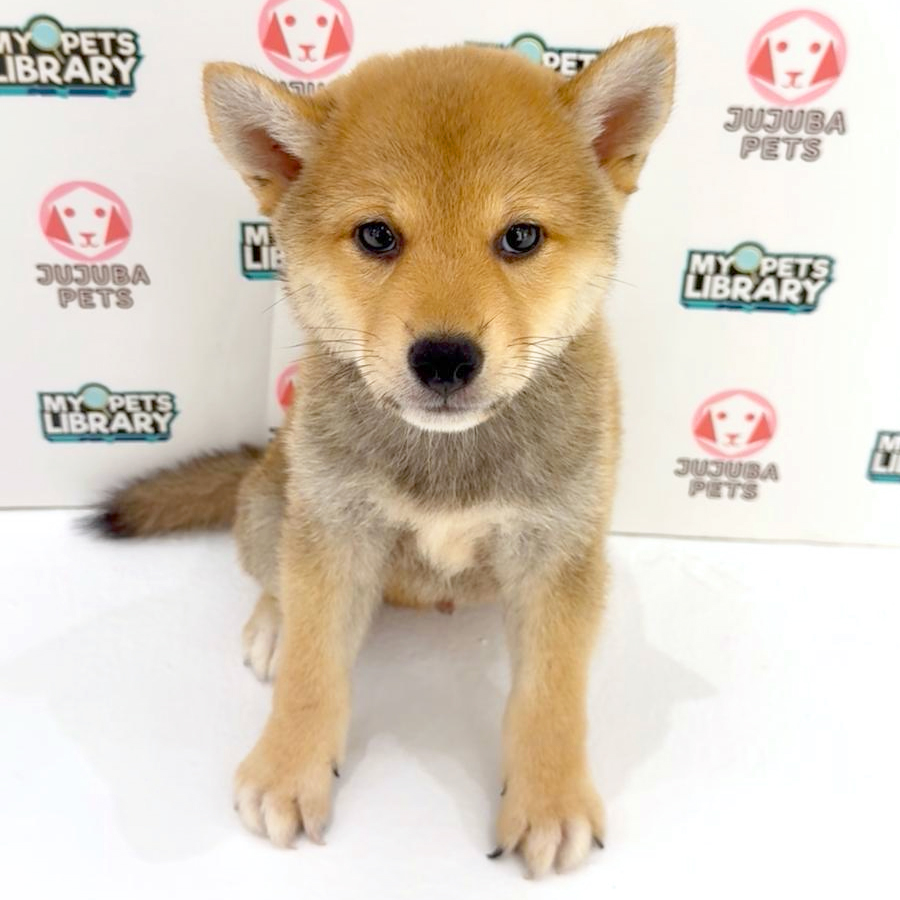
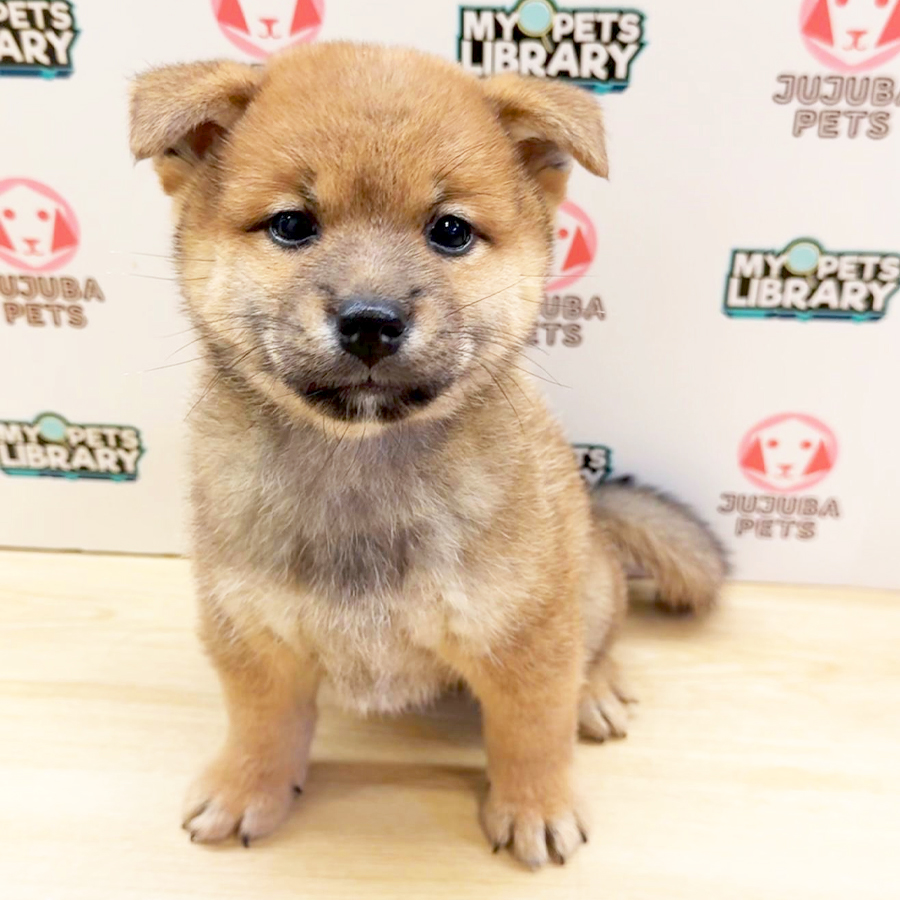
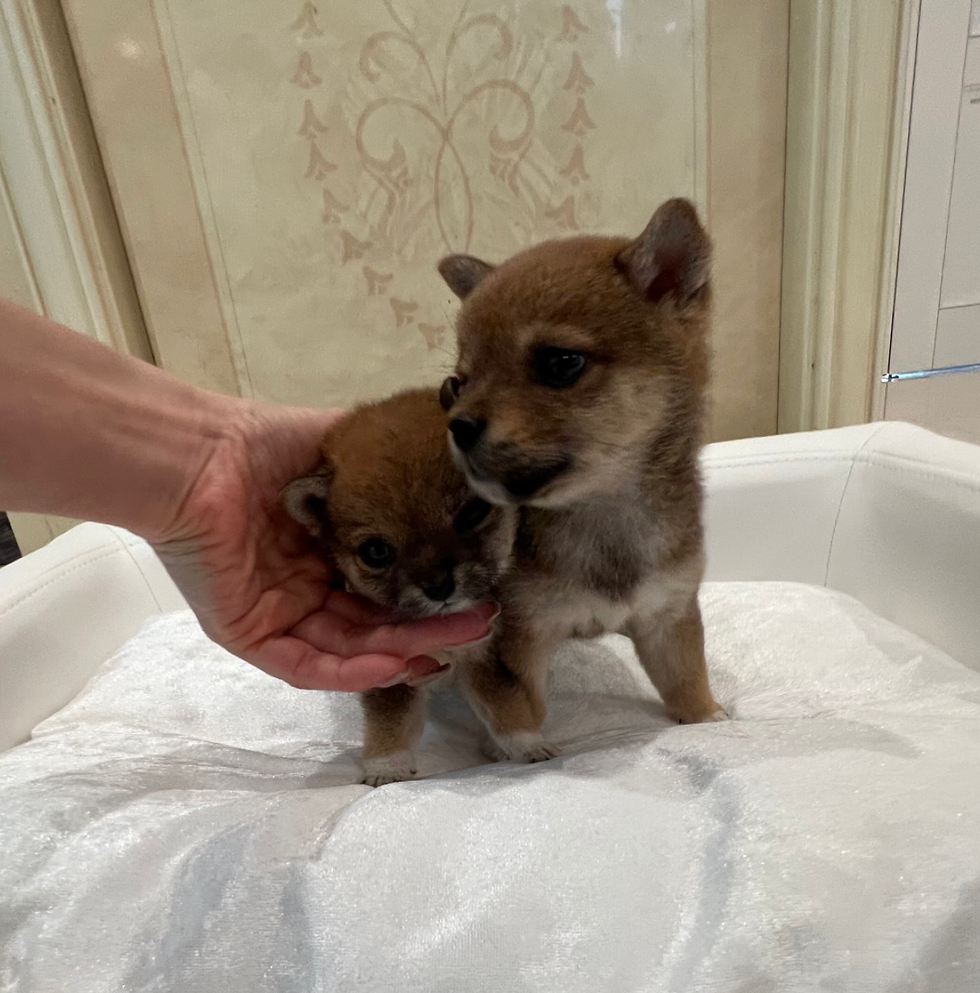
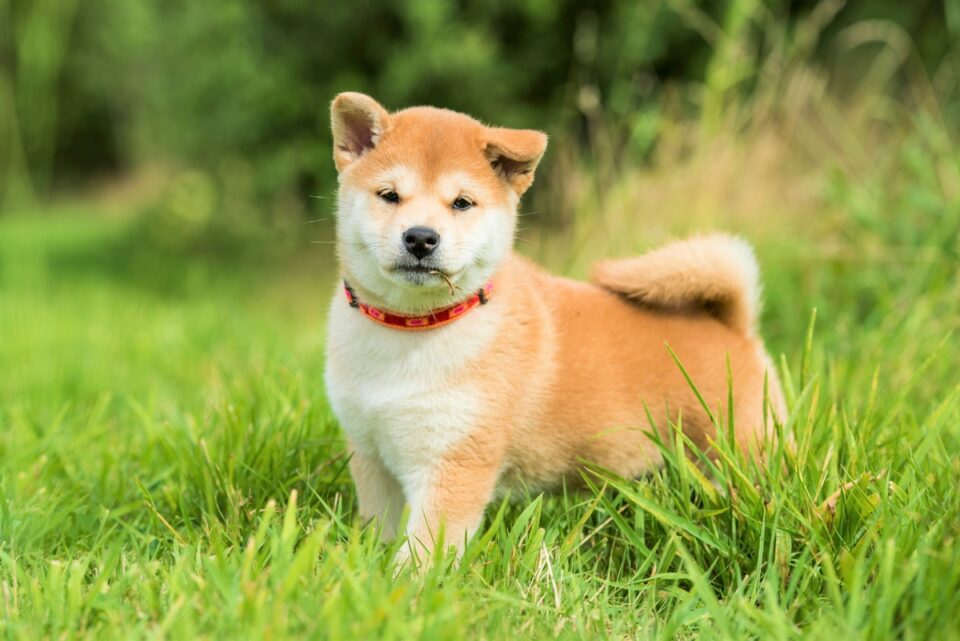
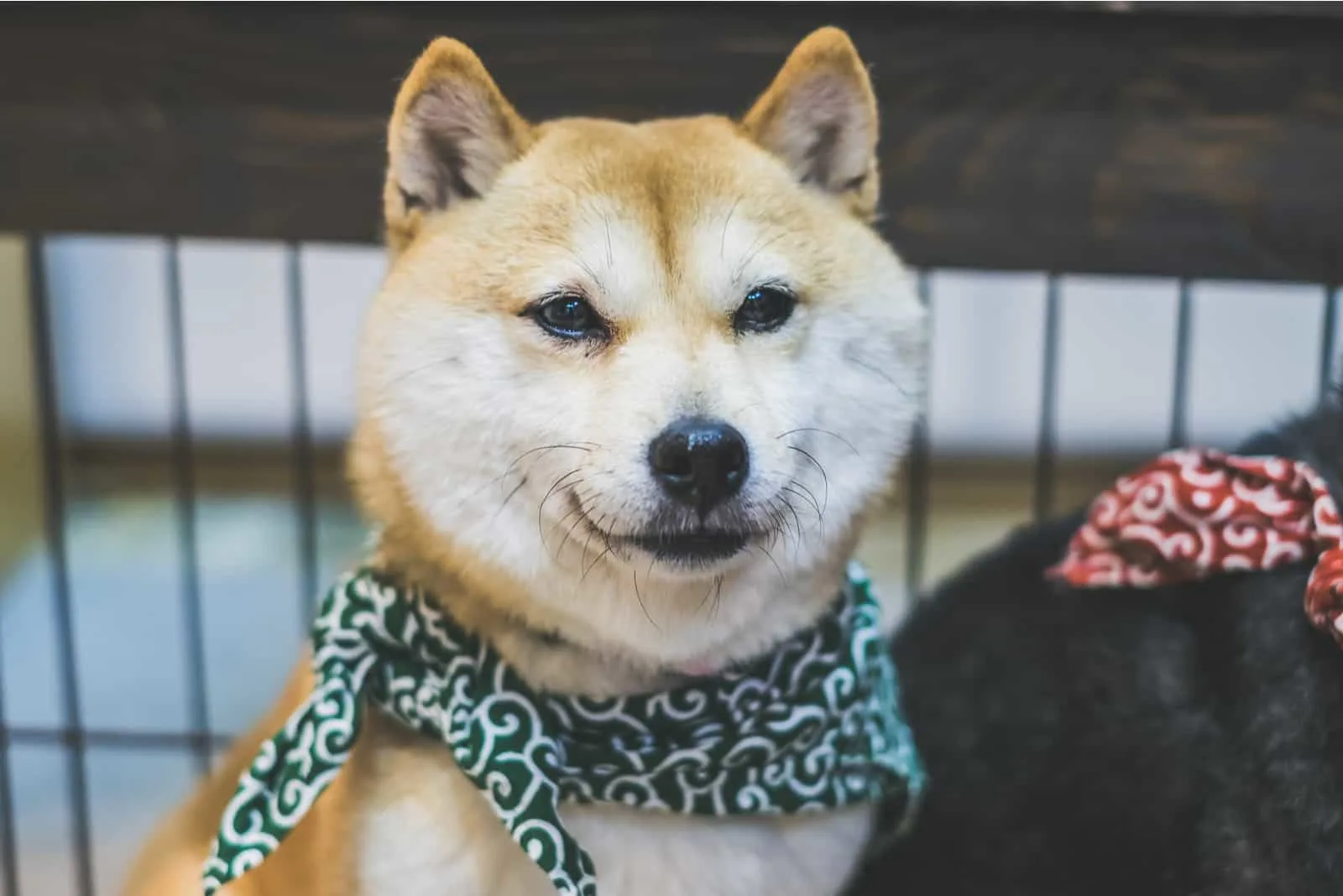
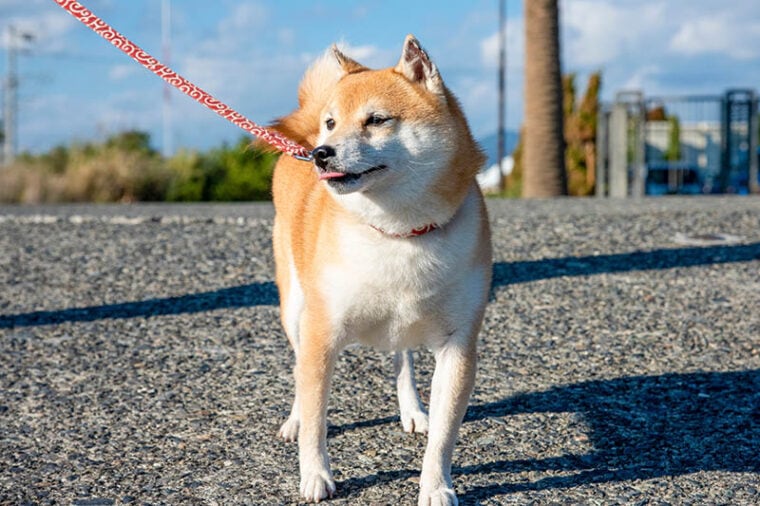
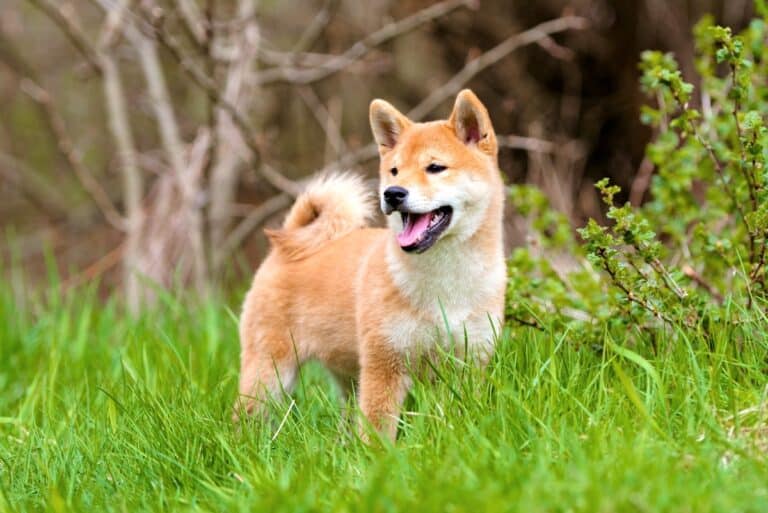
The Mame Shiba is a smaller, pocket-sized variant of the traditional Japanese Shiba Inu, capturing hearts with its fox-like face and independent spirit. As companion animal behaviorists and veterinary professionals note, understanding their unique psychological framework is vital for harmonious living. According to principles endorsed by the International Association of Animal Behavior Consultants (IAABC), these compact dogs retain their ancestral spitz instincts, meaning they are fiercely loyal yet inherently autonomous. When we evaluate pets mame shiba in domestic settings, we must balance their need for compact companionship with an innate drive that was originally bred for flushing small game. Recognizing these biological and behavioral triggers prevents frustration for both the animal and the pet parent.
💡 Pet Care Key Takeaways:
- Core Focus: Practical health, nutrition, and wellness guidelines for Pets Mame Shiba.
- Target Scope: Pet owners, animal caregivers, and veterinary support staff.
- Best Recommendation: Maintain consistent daily routines and consult an accredited veterinarian before introducing major diet or medical changes.
Signals & Patterns Owners Should Watch
Accurately reading your dog requires careful observation of micro-expressions, ear positions, and vocalizations like the signature Shiba scream. Because they are stoic animals, physical discomfort or environmental stress often manifests subtly through changes in grooming habits, reluctance to move, or sudden resource guarding. Clinical guidelines from the American Animal Hospital Association (AAHA) emphasize that keeping a close eye on baseline behavioral shifts is one of the most reliable ways to catch underlying medical issues before they escalate into systemic problems.
| Observed Sign | Likely Underlying Trigger | Best Owner Response |
|---|---|---|
| Erect, forward-facing ears with loose posture | Curiosity or healthy alertness toward environmental stimuli | Allow safe exploration and use calm, positive reinforcement |
| Sudden freezing, whale eye, or stiff tail carriage | Over-stimulation, fear, or territorial stress | Gently redirect away from the trigger and provide quiet space |
| Persistent licking of paws or lethargy | Allergic dermatitis, joint pain, or low-grade systemic illness | Log frequency and schedule a veterinary evaluation |
Daily Routine Adjustments & Supportive Care
Meeting the physical and mental needs of these miniature spitz dogs requires creative environmental enrichment. Despite their small stature, they possess high endurance and mental agility, making structured Dog Training sessions essential from an early age. Incorporating puzzle feeders, scent work, and consistent positive reinforcement helps satisfy their natural prey drive without encouraging destructive habits. Furthermore, maintaining balanced Dog Nutrition prevents obesity—a common issue in miniature breeds that can severely impact joint health over time. Establishing predictable daily routines reduces anxiety and builds strong, trusting bonds between you and your companion.
When Home Observation Is Not Enough
While patient observation and environmental management resolve many everyday challenges, certain signs demand professional intervention. The American Veterinary Medical Association (AVMA) advises pet owners to seek veterinary care whenever behavioral changes are sudden, extreme, or accompanied by physical symptoms like vomiting, drastic weight loss, or labored breathing. When visiting the clinic, bring detailed logs of daily food intake, video clips of unusual behaviors, and a timeline of symptom onset. This documentation empowers your veterinarian to make accurate diagnoses and formulate effective treatment plans tailored specifically to pets mame shiba.
Pet Parent Q&A
Are pets mame shiba prone to specific health issues compared to standard Shiba Inus?
While they share similar genetic traits such as patellar luxation and various eye conditions, their miniature stature requires careful monitoring of joint health and weight. Routine veterinary checkups help catch these hereditary concerns early.
How can I manage the heavy shedding typical of pets mame shiba?
These dogs feature a dense double coat that blows twice a year, requiring consistent brushing with an undercoat rake during shedding seasons. Regular grooming not only controls household fur but also strengthens your bond through positive handling.
Their independent and naturally reserved nature can transition into wariness toward strangers or other animals if they lack diverse early exposures. Intentional, positive socialization during puppyhood builds the confidence needed for a well-adjusted adult dog.
More Pet Health & Behavior Guides on PetsAnimalsWorld
Navigating the journey of pet parenthood is easier when you have access to expert-backed resources. For further guidance on keeping your canine companion thriving, explore our comprehensive articles on Dog Behavior and visit PetsAnimalsWorld.com for daily inspiration.
Visual Reference Gallery