

Introduction
Ensuring the optimal health and happiness of canine companions involves a multifaceted approach, with dental care standing as a critical, yet often overlooked, component. The concept of “best dental care for dogs” encompasses a range of practices and preventative measures designed to maintain oral hygiene, prevent disease, and contribute significantly to a dog’s overall well-being. Dental issues, such as plaque, tartar buildup, and gum disease, commonly develop when proper oral hygiene is neglected, leading to discomfort and potentially more serious systemic health problems. A thorough understanding of effective dental care strategies can alleviate pain, improve appetite, and extend a dog’s healthy lifespan, fostering a more joyful and vibrant existence.
💡 Pet Care Key Takeaways:
- Core Focus: Practical health, nutrition, and wellness guidelines for Best Dental Care For Dogs.
- Target Scope: Pet owners, animal caregivers, and veterinary support staff.
- Best Recommendation: Maintain consistent daily routines and consult an accredited veterinarian before introducing major diet or medical changes.
Common Causes and Key Factors
Several factors contribute to the prevalence of dental problems in dogs, necessitating a proactive approach to oral health. One primary cause is diet; soft, wet foods can adhere to teeth more readily than dry kibble, which offers some abrasive cleaning action. A lack of regular mechanical cleaning, such as brushing, allows plaque to accumulate and harden into tartar. Genetic predispositions also play a significant role; certain breeds, particularly smaller breeds or those with brachycephalic (short-nosed) features, often have overcrowded teeth or misalignments that make them more susceptible to dental disease. For more related activities, check out our Signs Of A Deaf Dog Behavior Problems And Solutions.
Age is another key factor, as older dogs naturally accumulate more plaque and tartar over time. Furthermore, a deficiency in appropriate chew toys or dental-specific treats can deprive dogs of the natural cleaning action that vigorous chewing provides. Without these regular abrasive interactions, food particles and bacteria flourish, forming a biofilm that progresses to gingivitis and, if left unchecked, periodontitis. Understanding these underlying causes is fundamental to implementing effective preventative strategies.
Signs and Symptoms to Observe
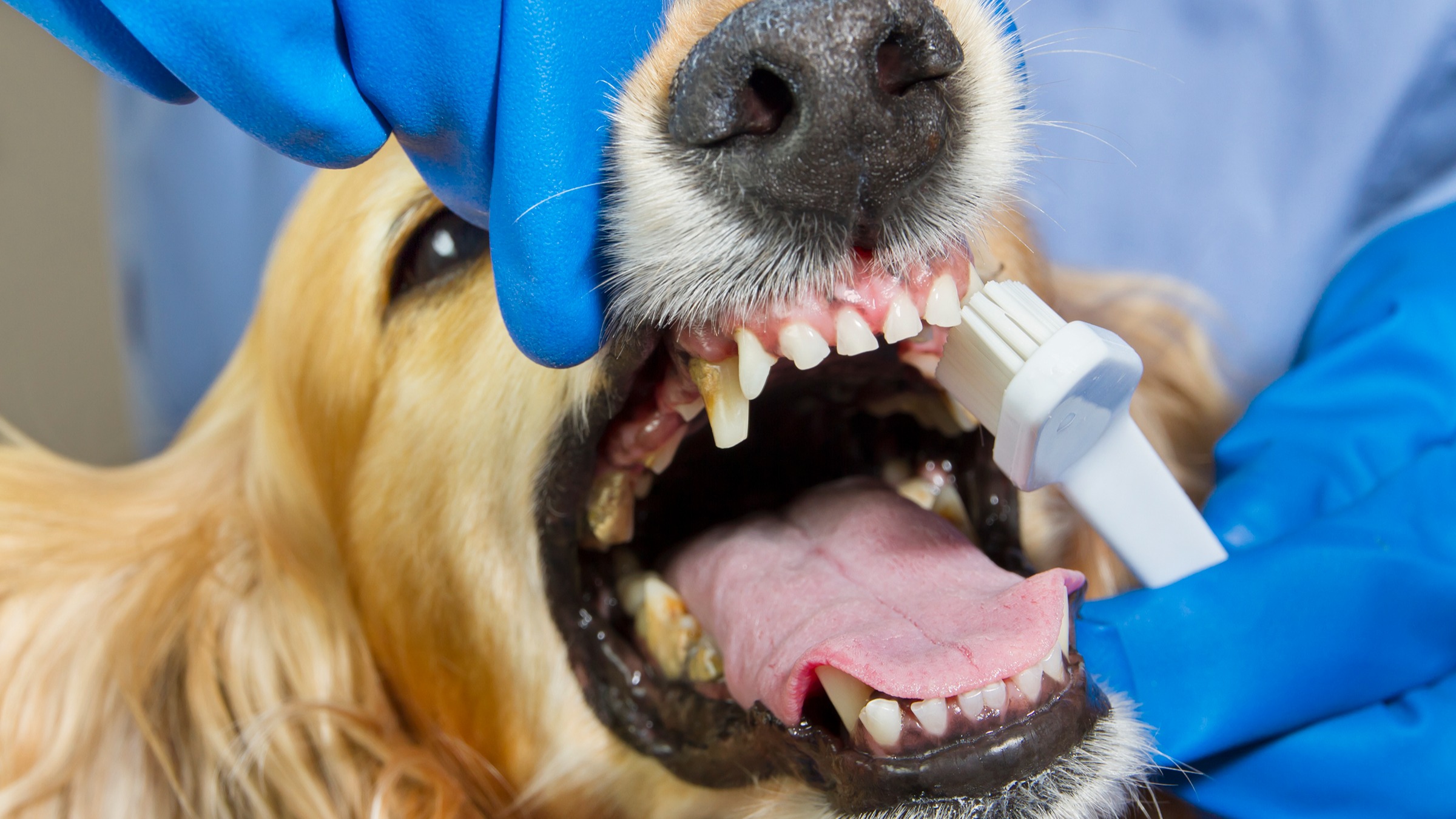
Recognizing the early indicators of dental problems is crucial for timely intervention. The most common and often first noticeable sign is persistent bad breath, also known as halitosis. Beyond an unpleasant odor, owners might observe changes in gum appearance; healthy gums are pink, while inflamed or diseased gums may appear red, swollen, or even bleed when touched. Yellow or brown tartar buildup on the tooth surface, particularly near the gum line, is a clear visual indicator of neglected oral hygiene.
Behavioral changes can also signal dental discomfort. Dogs experiencing oral pain may show reluctance to eat, especially hard kibble or chews, or may exhibit difficulty chewing on one side of the mouth. Increased drooling, pawing at the mouth, or rubbing the face against furniture can also suggest an underlying issue. In more advanced stages, loose or missing teeth, visible abscesses, or facial swelling may occur. The severity and manifestation of these signs can vary depending on a dog’s age and breed, with smaller breeds often showing more pronounced symptoms earlier in life due to smaller oral cavities and tooth overcrowding.
Practical Solutions and Management Strategies
Implementing a consistent regimen of practical dental care strategies is essential for maintaining canine oral health. Daily tooth brushing with a dog-specific toothbrush and enzymatic toothpaste stands as the gold standard for at-home care, effectively removing plaque before it hardens into tartar. Consistency is key, and starting this practice early in a dog’s life helps with acceptance.
Incorporating Veterinary Oral Health Council (VOHC)-approved dental chews and treats into a dog’s routine can provide additional mechanical plaque removal and often contain ingredients that help reduce bacteria. Certain prescription dental diets feature a unique kibble design that scrapes the tooth surface during chewing, further aiding in plaque control. Water additives formulated to reduce bacteria in drinking water can also contribute to overall oral hygiene. Providing safe, durable chew toys encourages natural chewing behaviors, which can help strengthen teeth and gums while providing a degree of self-cleaning action.
When Professional Help May Be Needed
While diligent home care forms the foundation of good dental hygiene, there are situations where professional veterinary intervention becomes indispensable. If persistent bad breath continues despite regular brushing, or if significant plaque and tartar buildup is visible, a veterinary dental check-up is warranted. Signs of advanced gum disease, such as red, swollen, or bleeding gums, especially if accompanied by pain or reluctance to eat, indicate a need for immediate professional assessment.
Loose or fractured teeth, visible abscesses, or any facial swelling necessitate veterinary attention without delay. These conditions often require a professional dental cleaning under anesthesia, where a veterinarian can thoroughly scale and polish teeth, probe for gum pockets, and perform necessary extractions or other treatments. In complex cases involving severe periodontal disease, extensive extractions, or specialized procedures like root canals, referral to a board-certified veterinary dentist may be recommended to ensure the best possible outcome for the dog’s oral health.
Conclusion
Achieving the best dental care for dogs requires a comprehensive and consistent approach, integrating both proactive home care and professional veterinary oversight. Recognizing the signs of dental distress, understanding its causes, and implementing effective preventative strategies are pivotal for every responsible dog owner. From daily brushing and appropriate dental aids to regular veterinary check-ups and professional cleanings, each component plays a vital role in safeguarding a dog’s oral health. Prioritizing dental hygiene not only prevents pain and disease but also significantly contributes to a dog’s overall health, vitality, and longevity, enriching the bond shared between canine companions and their human families.
Pet Care & Wellness Overview Table
| Life Stage | Daily Activity Level | Key Nutrition / Care Focus |
|---|---|---|
| Puppy / Kitten | High (frequent short bursts) | High-protein growth diet & early socialization |
| Adult Companion | Moderate (30–60 mins daily) | Balanced maintenance nutrition & dental hygiene |
| Senior Pets | Low to Gentle (mindful walks) | Joint support (Glucosamine) & routine vet checks |
Images References




For more expert pet care tips and advice, check out our dedicated Dog Health guides to keep your companions healthy and happy.


