

Exploring Remote Professional Opportunities in Canine Behavioral Science
Understanding the digital evolution of animal science requires exploring dog behavior jobs remote, a modern career avenue that allows specialists to support pet families virtually. According to the American Society for the Prevention of Cruelty to Animals, virtual consultations and remote educational frameworks have expanded access to professional guidance for households managing everyday obedience hurdles. As technology reshapes the landscape of domestic animal care, human practitioners increasingly leverage telecommunication tools to observe canines in their home environments without triggering the anxiety often caused by clinical visits.
💡 Pet Care Key Takeaways:
- Core Focus: Practical health, nutrition, and wellness guidelines for Dog Behavior Jobs Remote.
- Target Scope: Pet owners, animal caregivers, and veterinary support staff.
- Best Recommendation: Maintain consistent daily routines and consult an accredited veterinarian before introducing major diet or medical changes.
Defining Virtual Canine Behavioral Roles and Consultations
Dog behavior jobs remote encompass professional services delivered via video conferencing, digital assessment forms, and online coaching platforms to resolve household challenges. In these digital arrangements, practitioners analyze recorded video footage of daily routines, environmental triggers, and interspecies interactions to formulate evidence-based modification plans. Tele-behavior consulting typically involves evaluating antecedent-behavior-consequence chains—a structured method where specialists examine what happens right before a reaction, the behavior itself, and the resulting outcome—to decode why a specific reaction occurs indoors. For more related activities, check out our Dog Heat Behavior Changes.
The Behavioral and Environmental Impact of Virtual Support
Remote guidance directly influences household dynamics by allowing experts to witness domestic triggers that rarely manifest inside a traditional veterinary clinic or training facility. Observing a dog in a familiar space reveals subtle environmental stressors, such as outside noises, spatial layout restrictions, or family scheduling routines, which heavily shape emotional stability. Furthermore, removing the transit component of physical appointments drastically lowers stress hormones for reactive or fearful animals, setting a calm baseline for behavioral intervention.
Virtual behavioral counseling enables specialists to observe genuine home environmental triggers without the confounding stress of unfamiliar clinical transport. — American Veterinary Medical Association
Implementing Modern Strategies Through Digital Platforms
Managing behavioral development via remote channels relies on structured owner participation, consistent record-keeping, and the application of humane, positive reinforcement methods. Practitioners design tailored desensitization schedules—gradual, controlled exposures to specific triggers designed to change emotional responses—while instructing pet guardians on proper mechanical timing for rewards. Because the human handler executes the physical mechanics under remote supervision, clear communication and precise instructional clarity remain paramount to success.
Best Practices and Pitfalls in Remote Consultations
Successful virtual interventions require high-definition video documentation, excellent lighting, and a willingness from owners to practice consistency between scheduled remote sessions. A common pitfall in remote coaching involves relying exclusively on subjective verbal descriptions rather than reviewing objective video evidence of the target reaction. Specialists must carefully guide families to avoid aversive, punitive, or dominance-based techniques, which risk escalating fear or anxiety when applied without real-time physical oversight from a certified professional.
Positive reinforcement-based methodologies consistently yield more reliable behavioral outcomes and lower stress levels than intimidation techniques in domestic training. — Certification Council for Professional Dog Trainers
Pet Care & Wellness Overview Table
| Life Stage | Daily Activity Level | Key Nutrition / Care Focus |
|---|---|---|
| Puppy / Kitten | High (frequent short bursts) | High-protein growth diet & early socialization |
| Adult Companion | Moderate (30–60 mins daily) | Balanced maintenance nutrition & dental hygiene |
| Senior Pets | Low to Gentle (mindful walks) | Joint support (Glucosamine) & routine vet checks |
Images References





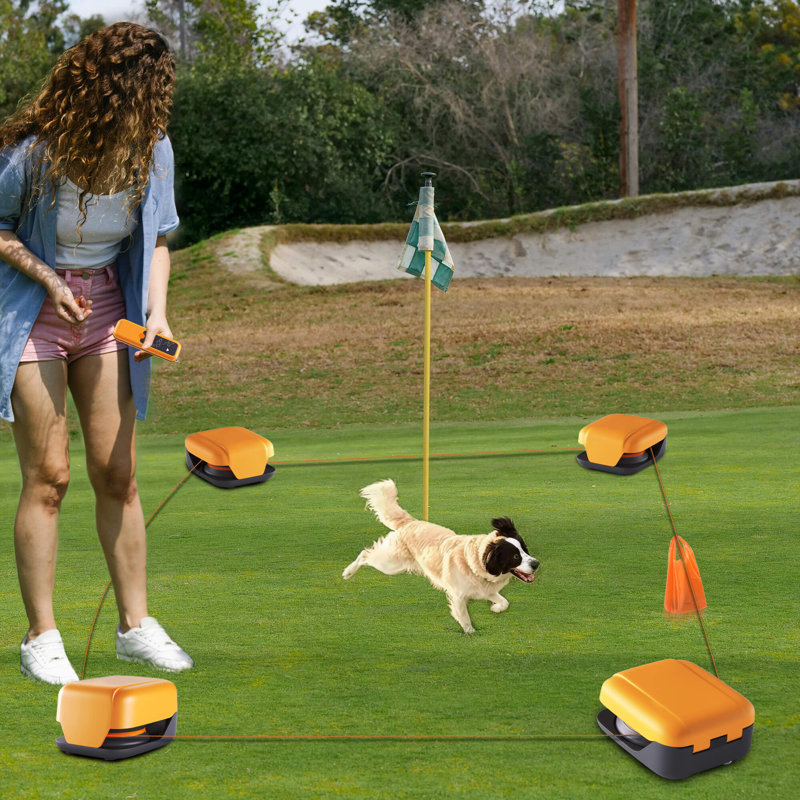
Individual Differences, Breed Profiles, and Developmental Stages
Every canine participant possesses unique genetic predispositions, energy thresholds, and socialization histories that shape responsiveness to virtual behavioral programming. Working breeds with high cognitive drives might require complex puzzle tasks and structured mental enrichment delivered via interactive home setups, whereas companion breeds might focus primarily on separation tolerance. Age also plays a critical role, as adolescent canines navigating hormonal maturation require different management strategies compared to senior dogs experiencing cognitive decline or sensory loss.
Recognizing Limitations and Consulting Qualified Professionals
While remote sessions excel at managing routine obedience and mild adjustment concerns, severe behavioral pathologies demand immediate, in-person evaluation by qualified professionals. For persistent aggression, sudden temperament shifts, or profound separation distress accompanied by self-injury, owners must seek hands-on assistance. Furthermore, any sudden change in temperament should always trigger a thorough medical examination by a licensed veterinarian to rule out underlying pain, neurological disorders, or systemic illness before initiating any behavior modification plan.
Integrating Digital Resources for Canine Well-Being
Navigating the expanding world of digital animal services requires reliable information regarding Dog Behavior, responsible Dog Training, and safe Dog Care practices. Exploring specialized guidance on Dog Health ensures that physical well-being is never overlooked while pursuing behavioral goals. For ongoing education and comprehensive pet wellness resources, visit PetsAnimalsWorld.com to support a balanced, informed lifestyle for every household animal companion.


