

Understanding Canine Conduct and Professional Support in Hull
Addressing complex behavioral challenges in domestic canines requires a structured understanding of animal psychology, environmental triggers, and humane learning principles. According to the American Society for Prevention of Cruelty to Animals (ASPCA), behavioral issues represent one of the primary reasons owners relinquish dogs to shelters, highlighting the critical need for accessible, science-based guidance within local communities. When seeking specialized help for domestic pets, finding a knowledgeable dog behaviorist hull residents can trust is often the first step toward restoring household harmony. Modern behavioral science emphasizes that unwanted actions—such as persistent vocalization, leash reactivity, or destructive chewing—rarely stem from spite or dominance. Instead, these responses typically reflect underlying fear, anxiety, confusion, or unmet biological needs.
💡 Pet Care Key Takeaways:
- Core Focus: Practical health, nutrition, and wellness guidelines for Dog Behaviorist Hull.
- Target Scope: Pet owners, animal caregivers, and veterinary support staff.
- Best Recommendation: Maintain consistent daily routines and consult an accredited veterinarian before introducing major diet or medical changes.
Defining the Role of a Professional Dog Behaviorist in Hull
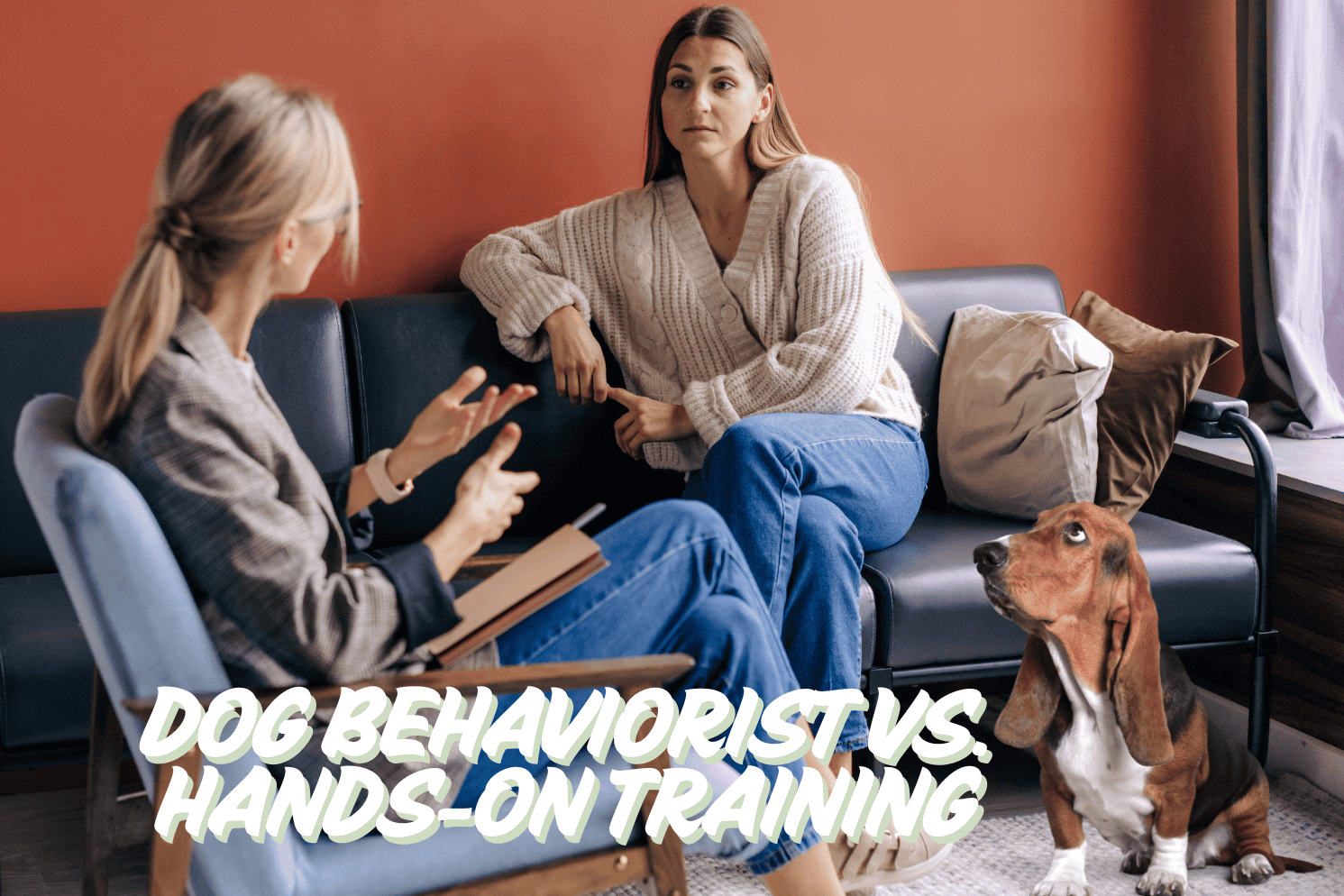
A qualified dog behaviorist hull practitioners rely on operates at the intersection of veterinary medicine, ethology, and learning theory to diagnose and modify complex psychological challenges. Unlike basic obedience instructors who focus primarily on standard commands like sit, stay, and heel, a professional behaviorist investigates the root psychological motivators behind severe or persistent behavioral disruptions. This specialized field requires comprehensive knowledge of operant conditioning, classical conditioning, and canine body language to interpret subtle signals of stress or arousal. Practitioners often collaborate closely with primary care veterinarians to rule out underlying medical conditions, chronic pain, or neurological deficits that frequently manifest as sudden behavioral changes in companion animals.
Evaluating the Impact of Unresolved Behavioral Issues on Canine Welfare
Unresolved behavioral problems can significantly diminish an animal’s overall quality of life while straining the human-animal bond through chronic stress and frustration. Chronic anxiety elevates physiological stress markers such as cortisol and adrenaline, which can suppress immune function and lead to long-term health complications over time. Furthermore, restricted lifestyle adjustments—such as isolating a reactive dog from visitors or limiting outdoor exercise—often exacerbate behavioral decline by depriving the animal of essential mental stimulation and physical conditioning. Recognizing these risks early encourages proactive intervention through evidence-based Dog Behavior modification programs tailored to individual temperament.
Behavioral problems in dogs are frequently rooted in unmet developmental needs, inadequate early socialization, or untreated medical discomfort. — American Veterinary Medical Association
Implementing Science-Based Modification Strategies for Companion Animals
Successfully altering established behavioral patterns involves systematic desensitization and counter-conditioning, which safely reframe how a dog perceives perceived triggers in its environment. Desensitization entails exposing the animal to a low-intensity version of a fear-inducing stimulus without provoking a stress response, while counter-conditioning pairs that stimulus with highly valued rewards to build positive emotional associations. Humane practitioners strictly avoid aversive techniques—such as choke chains, shock collars, or physical reprimands—because intimidation-based methods heighten fear, escalate defensive aggression, and damage trust between the handler and the animal. Establishing clear, predictable routines also helps reduce baseline anxiety, giving the dog a greater sense of security during daily domestic life.
Best Practices and Common Pitfalls in Behavioral Modification
Consistency, patience, and precise timing stand as the foundational pillars of effective behavioral change, whereas inconsistent rules frequently confuse the animal and stall progress. One common pitfall involves punishing a dog for growling; suppressing this crucial warning sign removes the animal’s primary communication tool, potentially leading to sudden, unannounced bites. Owners must also monitor their own emotional states, as domestic canines are exceptionally sensitive to human vocal tones, body tension, and respiration rates. Celebrating small milestones through positive reinforcement ensures steady progress without overwhelming the learner or creating undue pressure during training sessions.
Positive reinforcement training methods build reliable behaviors while fostering a secure emotional bond between pets and their human caregivers. — Association of Professional Dog Trainers
Pet Care & Wellness Overview Table
| Life Stage | Daily Activity Level | Key Nutrition / Care Focus |
|---|---|---|
| Puppy / Kitten | High (frequent short bursts) | High-protein growth diet & early socialization |
| Adult Companion | Moderate (30–60 mins daily) | Balanced maintenance nutrition & dental hygiene |
| Senior Pets | Low to Gentle (mindful walks) | Joint support (Glucosamine) & routine vet checks |
Images References




Breed, Age, and Temperament Factors in Canine Behavior
Individual biology, genetic predisposition, developmental stage, and past experiences heavily influence how a dog reacts to environmental stimuli and training interventions. Working and herding breeds often possess intense drive and high energy levels that require structured mental jobs to prevent neurotic habits from forming out of sheer boredom. Conversely, senior dogs experiencing cognitive decline may display disorientation, altered sleep cycles, or house-training lapses that require specialized veterinary management rather than standard training protocols. Understanding these intrinsic characteristics ensures that behavior modification plans remain realistic and aligned with the specific physical and mental capacities of the dog in question.
When to Consult a Qualified Professional or Veterinary Specialist
Severe or persistent behavioral challenges—such as sudden unprovoked aggression, profound separation anxiety, or self-injurious acts—always warrant professional evaluation by an experienced specialist or veterinary behaviorist. Attempting to manage high-risk behaviors without expert guidance can jeopardize household safety and worsen the underlying emotional trauma experienced by the animal. A thorough clinical examination helps rule out organic illnesses, endocrine disorders, or sensory impairments that frequently contribute to sudden behavioral shifts. For comprehensive guidance on related topics, explore resources dedicated to proper Dog Training methodologies.
Supporting Lifelong Canine Wellness and Behavioral Health
Navigating the complexities of canine conduct requires dedication, empathy, and access to accurate, science-based educational materials for every stage of a pet’s life. By combining proactive socialization, humane management techniques, and timely professional support when challenges arise, owners can cultivate a balanced, fulfilling environment for their companion animals. Continued learning through trusted platforms like PetsAnimalsWorld.com empowers pet parents to make informed decisions regarding Dog Care and overall animal welfare. Exploring additional topics in Dog Health further ensures that physical and psychological well-being remain harmoniously balanced throughout the life of the pet.


