
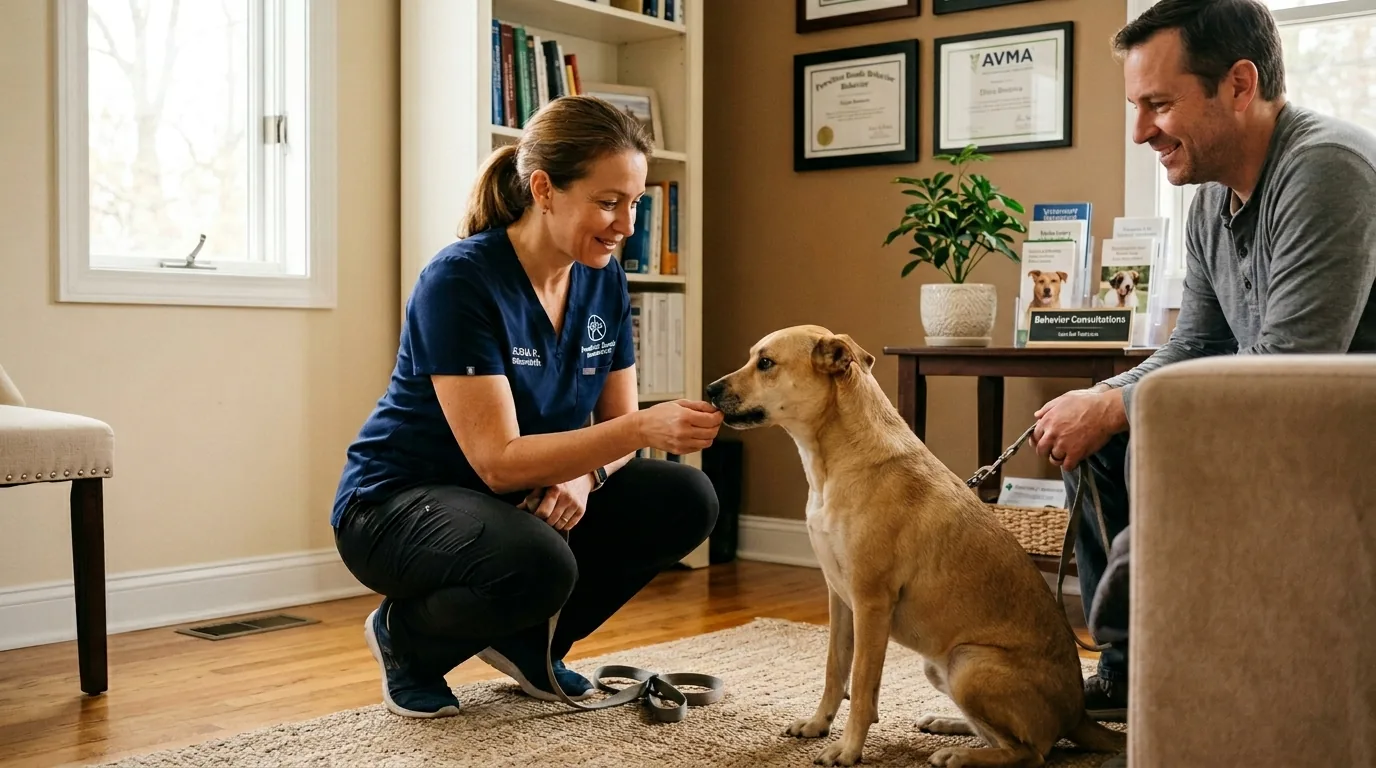
Understanding the Role of a Canine Professional in Oklahoma City
Navigating canine behavioral challenges requires a structured, science-based approach that prioritizes animal welfare and clear communication between pets and their human families. According to the American Society for Prevention of Cruelty to Animals (ASPCA), behavioral issues are among the primary reasons companion animals are relinquished to shelters, making early and humane intervention essential for keeping dogs in loving homes. Residents seeking specialized support often search for a qualified dog behaviorist okc to address complex reactivity, severe anxiety, and persistent household disruptions. Professional intervention focuses on identifying the root emotional and environmental triggers behind unwanted actions rather than merely suppressing the external symptoms.
💡 Pet Care Key Takeaways:
- Core Focus: Practical health, nutrition, and wellness guidelines for Dog Behaviorist Okc.
- Target Scope: Pet owners, animal caregivers, and veterinary support staff.
- Best Recommendation: Maintain consistent daily routines and consult an accredited veterinarian before introducing major diet or medical changes.
Defining Applied Canine Behavior and Professional Qualifications
A professional focusing on dog behaviorist okc services typically operates beyond basic obedience training by evaluating underlying emotional states, neurological influences, and environmental stressors. Applied animal behavior is a scientific discipline that studies how animals interact with their environment, utilizing principles of learning theory and ethology—the study of animal behavior under natural conditions. While standard trainers teach basic cues like sit, stay, and come, behavior consultants frequently work alongside veterinary professionals to address deep-seated psychological concerns such as separation distress, resource guarding, and fear-based reactivity. True specialists rely on positive reinforcement methods, avoiding punitive tools that can heighten cortisol levels and exacerbate defensive responses.
The Impact of Unresolved Stress on Canine Health and Well-Being
Chronic behavioral challenges can severely compromise a canine’s physical health, immune function, and overall quality of life. Prolonged exposure to high-stress environments elevates stress hormones, which can manifest as gastrointestinal distress, dermatological issues from excessive licking, and lowered immunity. Addressing these underlying psychological triggers through informed behavioral modification protects the animal from systemic health complications and strengthens the human-animal bond. Comprehensive care involves evaluating diet, daily physical enrichment, and routine veterinary check-ups to rule out underlying medical pain as a catalyst for sudden behavioral shifts.
Behavioral issues often stem from underlying medical pain or unmet environmental enrichment needs rather than simple disobedience. — American Veterinary Medical Association
Implementing Humane Strategies for Behavioral Modification
Successful modification plans rely on systematic desensitization and counter-conditioning to alter how a dog emotionally perceives specific triggers. Systematic desensitization involves gradual, controlled exposure to a stimulus at a level that does not elicit a fear or aggression response, while counter-conditioning pairs that previously stressful stimulus with a highly positive outcome, such as high-value food rewards. This dual approach rewires the neural pathways associated with fear and arousal, fostering long-term resilience and emotional stability. Consistency, patience, and precise timing remain foundational to achieving lasting progress without resorting to intimidation or dominance-based tactics.
Best Practices and Common Pitfalls in Behavior Modification
Effective progress demands careful management of the dog’s daily environment to prevent the rehearsal of unwanted habits while new skills are being acquired. A frequent misstep among owners involves rushing exposure thresholds or applying inconsistent rules, which frequently leads to frustration and regression. Maintaining structured routines, providing adequate mental stimulation through puzzle toys and scent games, and reading subtle canine body language—such as lip licking, yawning, or averted gaze—allow handlers to intervene before stress escalates into reactivity. Exploring educational resources on Dog Behavior can provide additional insights into decoding subtle canine communication signals.
Positive reinforcement training methods are proven to be more effective and create fewer stress-related side effects than aversive techniques. — Certification Council for Professional Dog Trainers
Pet Care & Wellness Overview Table
| Life Stage | Daily Activity Level | Key Nutrition / Care Focus |
|---|---|---|
| Puppy / Kitten | High (frequent short bursts) | High-protein growth diet & early socialization |
| Adult Companion | Moderate (30–60 mins daily) | Balanced maintenance nutrition & dental hygiene |
| Senior Pets | Low to Gentle (mindful walks) | Joint support (Glucosamine) & routine vet checks |
Images References


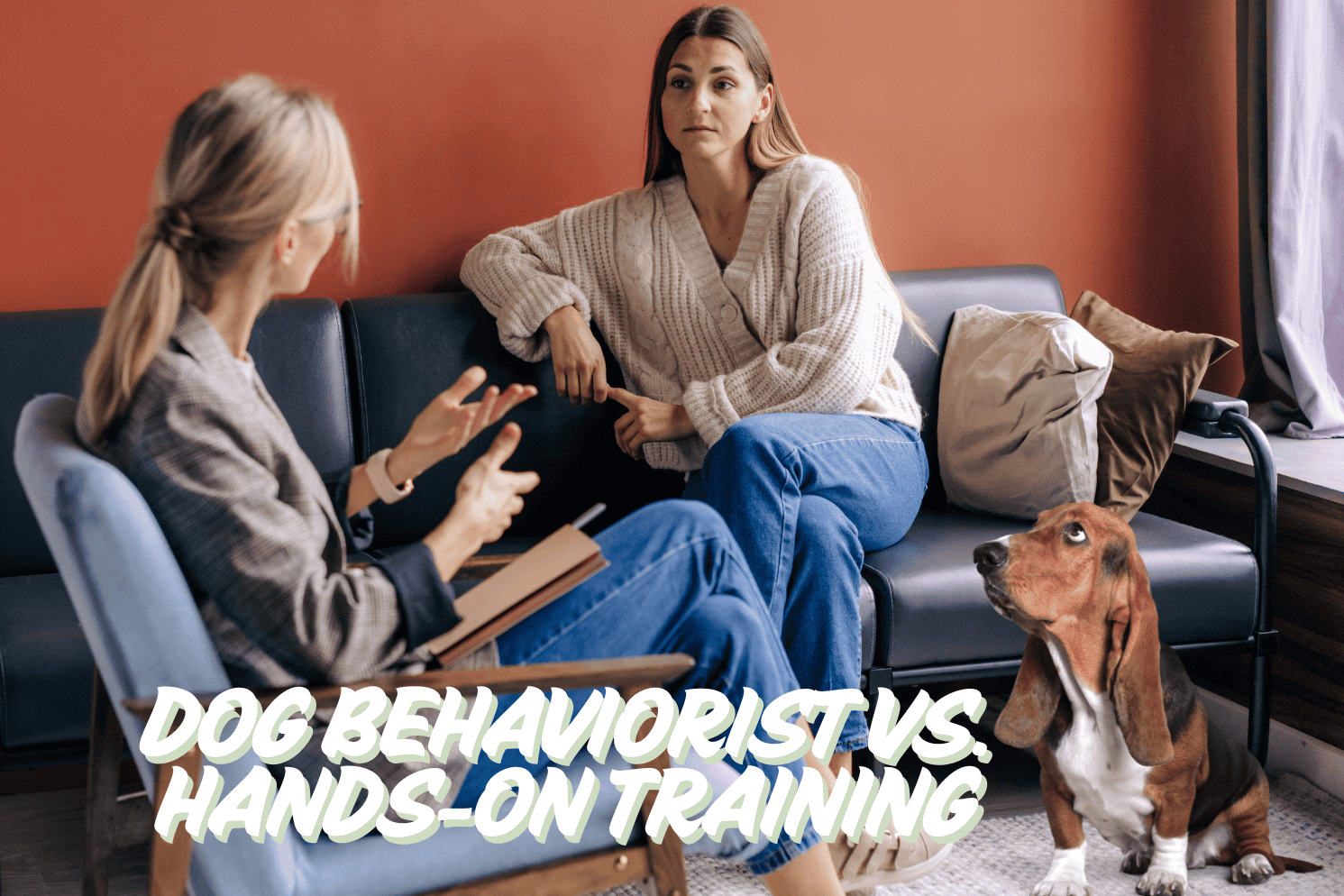


Breed, Age, and Developmental Considerations in Behavior
Individual temperament, genetic predispositions, and developmental life stages heavily influence how a dog responds to behavioral modification programs. Working and herding breeds, for instance, often require intensive mental jobs and structured outlets for their natural drives to prevent destructive outlet behaviors. Similarly, adolescent dogs experience hormonal fluctuations similar to human teenagers, which can temporarily increase impulsivity and test previously mastered boundaries. Understanding these intrinsic biological factors ensures that expectations remain realistic and tailored specifically to the individual animal’s capacity.
When to Consult a Veterinary Behaviorist or Certified Professional
Immediate professional guidance from a veterinary behaviorist or certified trainer is strongly advised when encountering severe aggression, unprovoked biting, intense panic, or self-injurious actions. Behaviors that pose a direct safety risk to humans or other animals require expert assessment to formulate a safe management and modification protocol. Reviewing articles within Dog Training and consulting a veterinarian to rule out painful medical conditions represent crucial first steps for any owner facing complex behavioral hurdles.
Fostering Long-Term Harmony Through Expert Guidance
Investing time in evidence-based behavioral support transforms challenging household dynamics into cooperative, peaceful relationships built on trust and mutual understanding. By addressing the root causes of canine stress and utilizing humane, science-backed techniques, owners can help their companions navigate the modern world with confidence and security. Discover more expert resources, breed information, and wellness tips by exploring Dog Care, Dog Health, and PetsAnimalsWorld.com today.




