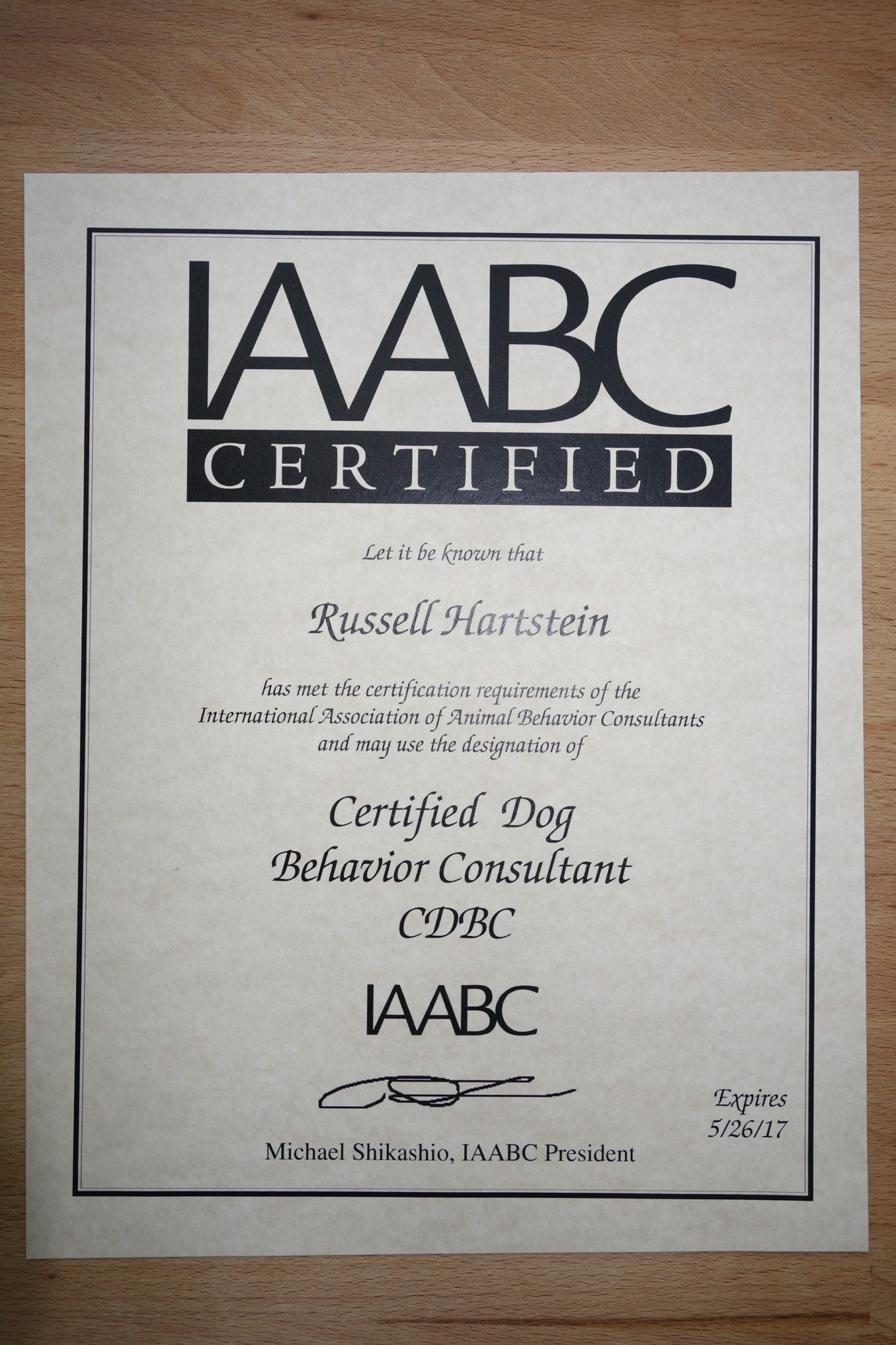
According to the American Veterinary Medical Association, behavioral issues represent a primary reason companion animals are relinquished or experience compromised welfare. Addressing these concerns requires patience, understanding, and structured guidance tailored to the individual animal. In densely populated and highly active regions like Southern California, canine companions frequently encounter unique environmental stressors, ranging from heavy pedestrian traffic and bustling neighborhood parks to complex household routines. Recognizing the value of professional intervention helps bridge the gap between canine communication and human expectations, fostering harmonious living environments throughout the local community.
💡 Pet Care Key Takeaways:
- Core Focus: Practical health, nutrition, and wellness guidelines for Dog Behaviorist Orange County.
- Target Scope: Pet owners, animal caregivers, and veterinary support staff.
- Best Recommendation: Maintain consistent daily routines and consult an accredited veterinarian before introducing major diet or medical changes.
Understanding the Role of a Professional Dog Behaviorist in Orange County
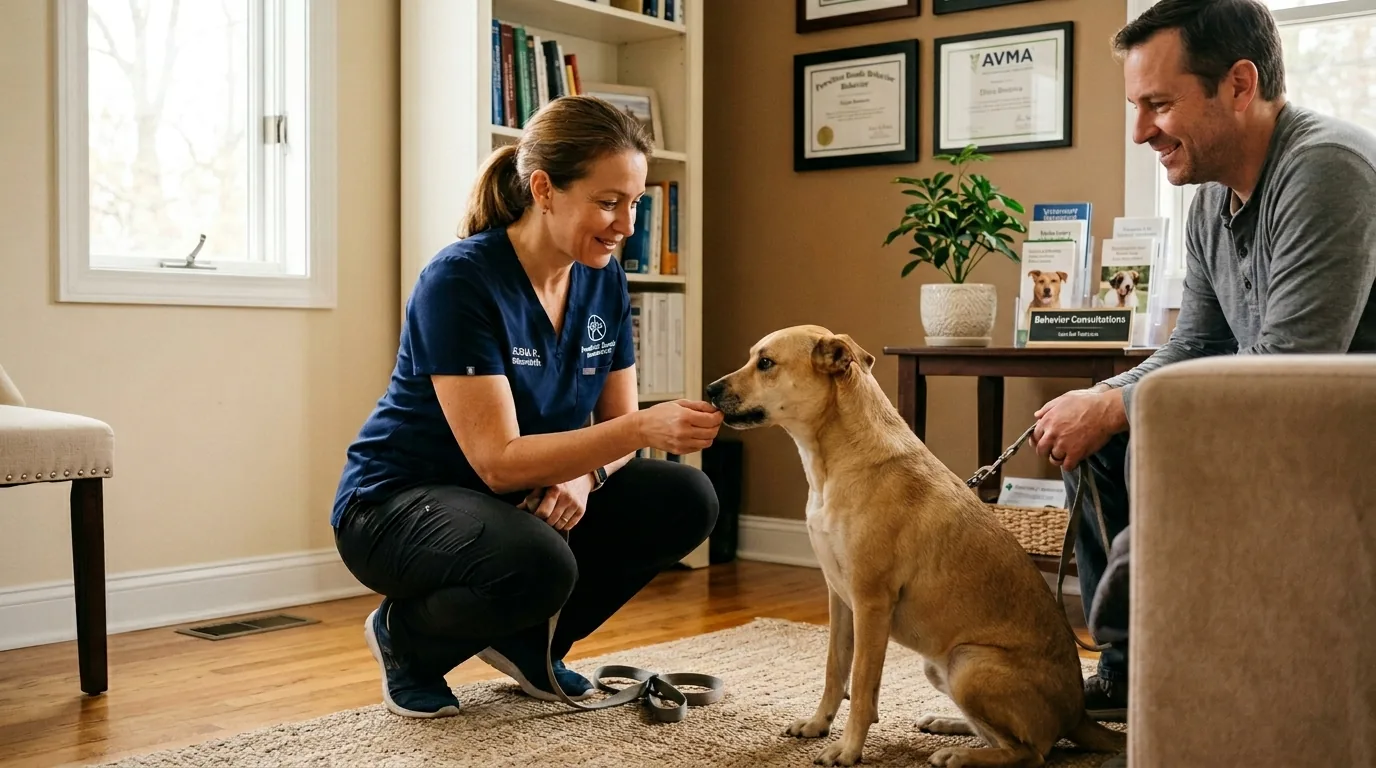
A qualified dog behaviorist in Orange County specializes in identifying the underlying emotional and psychological motivations driving specific canine actions. Unlike traditional obedience instructors who primarily focus on basic commands like sitting or staying, a professional specializing in animal behavior examines complex psychological triggers such as fear, anxiety, territorial reactivity, and compulsive habits. This discipline relies heavily on applied behavior analysis and reinforcement-based strategies to modify responses gently and effectively. Practitioners often hold advanced certifications, such as becoming a Certified Applied Animal Behaviorist or a board-certified veterinary behaviorist, ensuring that their methodologies remain grounded in peer-reviewed scientific evidence and humane treatment standards. For more related activities, check out our How Long Does It Take To Change A Dog’S Behavior.
The Impact of Environment and Lifestyle on Canine Conduct
Environmental factors within a suburban and urban landscape heavily influence how a dog perceives safety and social interaction. Consistent exposure to novel stimuli—including cyclists, skateboards, loud traffic, and dense gatherings—can test the resilience of even the most adaptable pets. When a dog feels overwhelmed by these sensory inputs, outward behavioral expressions such as excessive vocalization, lunging, or freezing often emerge as coping mechanisms. Effective management strategies must account for these daily triggers, ensuring that owners modify the surrounding environment to support emotional regulation and prevent chronic distress.
Environmental enrichment and predictable daily routines significantly reduce stress-related behavioral problems in domestic dogs. — American Veterinary Medical Association
Implementing Humane, Science-Based Behavior Modification Strategies
Addressing persistent behavioral concerns demands a systematic approach centered on positive reinforcement and desensitization. Desensitization involves safely exposing the animal to a mild form of a trigger at a distance that does not elicit fear, gradually decreasing that distance over time as confidence builds. Counter-conditioning pairs the previously stressful stimulus with a highly desirable reward, fundamentally shifting the emotional response from apprehension to positive anticipation. Owners must avoid punishment-based methods, as intimidation and aversive corrections often escalate fear, heighten defensive aggression, and damage the trust between human and animal.
Best Practices and Common Pitfalls in Behavior Modification
Consistency, timing, and patience form the foundation of successful behavioral change, yet many well-intentioned owners inadvertently reinforce undesirable habits. One frequent misstep involves accidentally rewarding anxious or reactive displays through soothing tones or petting delivered at the exact moment the animal exhibits panic. Another pitfall is rushing the progression of training exercises before the dog has fully processed a lower level of exposure. Establishing clear boundaries, maintaining predictable schedules, and rewarding calm demeanor consistently yield far superior long-term results compared to sporadic or reactive interventions.
Positive reinforcement training methods build stronger bonds and achieve better behavioral outcomes than aversive techniques. — American Kennel Club
Pet Care & Wellness Overview Table
| Life Stage | Daily Activity Level | Key Nutrition / Care Focus |
|---|---|---|
| Puppy / Kitten | High (frequent short bursts) | High-protein growth diet & early socialization |
| Adult Companion | Moderate (30–60 mins daily) | Balanced maintenance nutrition & dental hygiene |
| Senior Pets | Low to Gentle (mindful walks) | Joint support (Glucosamine) & routine vet checks |
Images References




Breed, Age, and Temperament Considerations in Behavior
Individual genetic predispositions, developmental stages, and inherited traits heavily shape how a dog reacts to the world. Working and herding breeds, for instance, often possess heightened environmental awareness and intense drive, requiring specialized mental outlets to prevent frustration-based behaviors. Conversely, senior dogs experiencing cognitive decline may exhibit sudden confusion, altered sleep cycles, or house-soiling that mimics training regression. A thorough behavioral assessment always considers these biological variables, ensuring expectations align realistically with the specific profile of the individual animal.
When to Consult a Veterinary Professional or Certified Behaviorist
Persistent behavioral changes, sudden onset aggression, severe destructive tendencies, or chronic anxiety always warrant professional evaluation. Because underlying medical conditions, pain, and neurological disorders frequently manifest as behavioral alterations, an initial physical examination by a veterinarian is essential to rule out illness or discomfort. Following a clean bill of health, partnering with a certified behavior professional ensures that complex psychological issues receive structured, safe, and medically sound intervention tailored to the specific needs of the dog.
Building Lasting Harmony Through Expert Guidance
Supporting a companion animal through behavioral challenges is a journey rooted in empathy, scientific understanding, and dedication. By utilizing professional insights and evidence-informed care strategies, owners can navigate obstacles safely while strengthening their mutual bond. Explore further resources on Dog Behavior, discover insights into Dog Training, and read expert guides on Dog Care to support your journey. Visit PetsAnimalsWorld.com for more valuable information.