

Finding professional support for complex canine behavioral challenges can transform a household’s daily dynamic and improve the overall well-being of a companion animal. According to the American Veterinary Medical Association, behavioral issues represent a primary reason companion animals are relinquished to shelters, making early and accurate intervention vital for keeping dogs in loving homes. Many households struggle for months with destructive chewing, persistent barking, or fear-based reactivity before realizing that standard obedience classes may not resolve deeply rooted emotional triggers. Searching for specialized expertise requires a clear understanding of the difference between standard obedience trainers and credentialed medical specialists who focus on clinical behavioral science. Navigating this landscape effectively ensures that animals receive comprehensive care addressing both the mind and the body. Essential resources for understanding these dynamics are available within Dog Behavior guides and specialized Dog Training overviews.
💡 Pet Care Key Takeaways:
- Core Focus: Practical health, nutrition, and wellness guidelines for Dog Behaviorist Vet Near Me.
- Target Scope: Pet owners, animal caregivers, and veterinary support staff.
- Best Recommendation: Maintain consistent daily routines and consult an accredited veterinarian before introducing major diet or medical changes.
Understanding the Role of Veterinary Behavioral Specialists
A veterinary behaviorist is a licensed veterinarian who has completed advanced, rigorous postgraduate training to achieve board certification in animal behavior. These specialized clinicians possess deep expertise in how physiological processes, neurological conditions, and pharmacology intersect with psychological well-being. Unlike standard trainers who focus primarily on obedience and operant conditioning—a method of learning that uses rewards and consequences to shape actions—veterinary behaviorists evaluate medical contributors to behavioral changes, such as hypothyroidism, cognitive dysfunction syndrome, or chronic pain. When individuals search for advanced behavioral support, locating a board-certified veterinary behaviorist ensures access to evidence-based diagnostics, comprehensive behavioral modification plans, and, when necessary, appropriate pharmaceutical interventions managed under strict clinical supervision.
The Impact of Behavioral Health on Overall Canine Wellness
Unaddressed behavioral distress frequently manifests as chronic physiological stress, which can negatively impact an animal’s immune system, digestion, and long-term vitality. Dogs experiencing severe separation anxiety, generalized fear, or compulsive disorders live in a state of heightened arousal that elevates cortisol levels and places continuous strain on the cardiovascular system. Recognizing that behavior is often a symptom of underlying distress shifts the care paradigm from punishment-based management to compassionate, science-backed rehabilitation. Comprehensive wellness approaches require addressing physical comfort alongside emotional stability, ensuring that routine veterinary checks rule out hidden discomfort before any modification plan begins. Proper nutritional support and regular physical activity also play foundational roles in maintaining stable moods and reducing baseline reactivity in sensitive dogs.
Behavioral problems in companion dogs frequently stem from underlying medical conditions or unmet emotional needs, requiring a comprehensive veterinary evaluation rather than punitive correction. — American Veterinary Medical Association
Approaching Behavioral Modification Through Humane Science
Developing an effective intervention strategy requires relying exclusively on humane, reward-based reinforcement techniques that build trust and confidence. Punitive, intimidation-based, or dominance-oriented methods often escalate fear, increase defensive aggression, and damage the human-animal bond. Collaborative behavioral modification plans typically involve systematic desensitization—gradually exposing an animal to a trigger at a low intensity to prevent fear responses—and counter-conditioning, which changes the emotional response to that trigger by pairing it with highly valued rewards. Careful environmental management prevents rehearsal of unwanted habits while the animal learns new coping mechanisms. Consistent routines, clear communication, and patience allow dogs to process stressors safely without feeling overwhelmed.
Best Practices and Common Pitfalls in Seeking Behavioral Support
Navigating the search for qualified professionals requires careful verification of credentials to avoid unqualified practitioners who use harmful, outdated methods. A common mistake involves relying on self-taught advice or internet forums for severe aggression, which can inadvertently worsen dangerous behaviors. Pet owners should always verify whether a practitioner holds board certification through the American College of Veterinary Behaviorists or maintains recognized credentials from reputable organizations like the Certification Council for Professional Dog Trainers. Gathering detailed logs of specific behavioral triggers, time of day, and environmental contexts before a professional consultation provides invaluable data for accurate assessment. Avoiding shortcuts and committing to structured, gradual progress ensures sustainable, long-term success for the household.
Board-certified veterinary behaviorists complete extensive residencies and rigorous examinations to diagnose and treat complex behavioral pathologies in companion animals. — American College of Veterinary Behaviorists
Pet Care & Wellness Overview Table
| Life Stage | Daily Activity Level | Key Nutrition / Care Focus |
|---|---|---|
| Puppy / Kitten | High (frequent short bursts) | High-protein growth diet & early socialization |
| Adult Companion | Moderate (30–60 mins daily) | Balanced maintenance nutrition & dental hygiene |
| Senior Pets | Low to Gentle (mindful walks) | Joint support (Glucosamine) & routine vet checks |
Images References


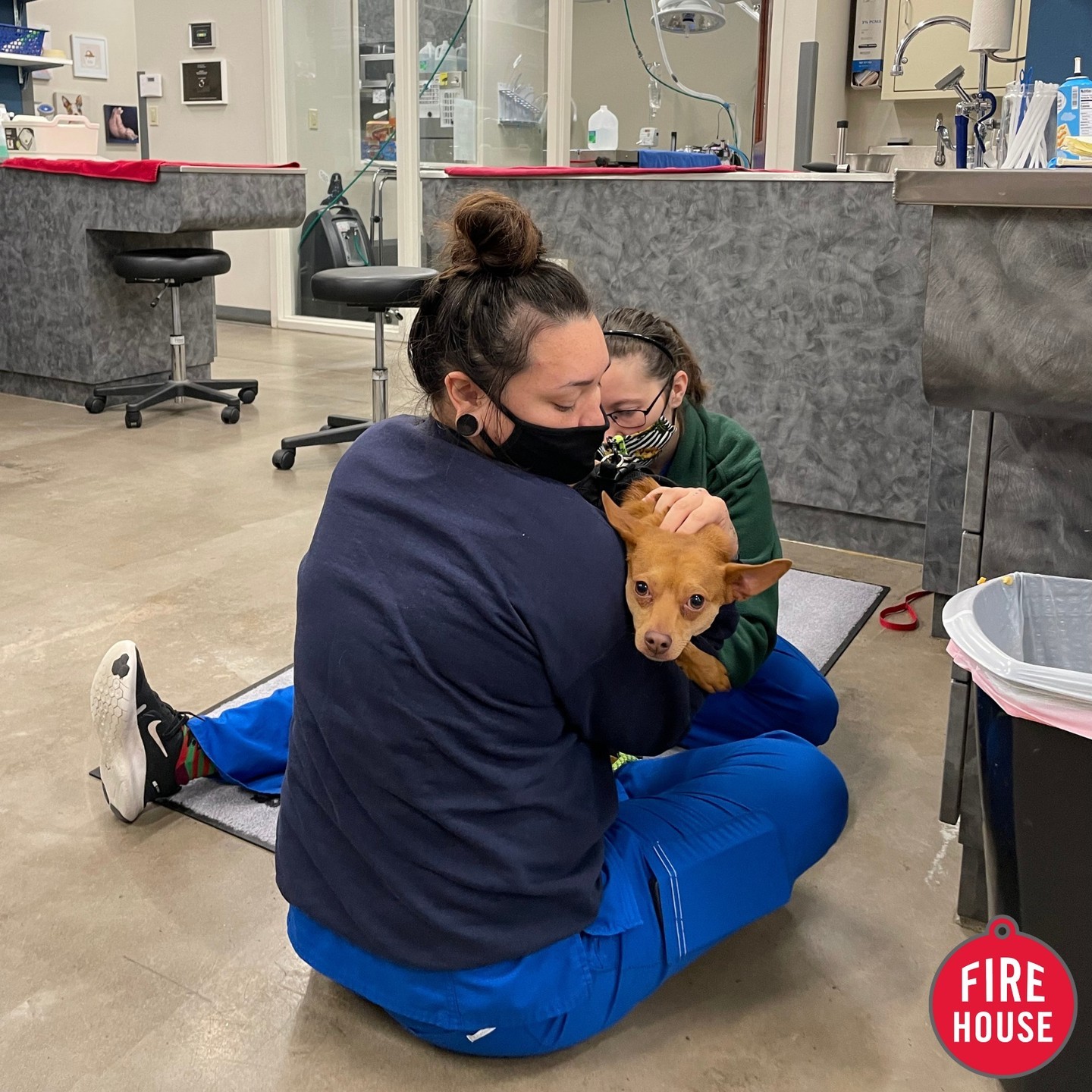


Breed, Age, and Individual Temperament Considerations
Every dog possesses a unique genetic background, developmental history, and personality profile that shapes how they respond to the surrounding world. Working and herding breeds, for instance, may display intense drive or nipping tendencies that require specialized mental outlets rather than generic obedience drills. Senior dogs experiencing cognitive decline often exhibit nocturnal pacing, confusion, or house-soiling, which look like behavioral issues but actually stem from age-related brain changes. Younger dogs passing through developmental fear periods may suddenly react defensively to familiar objects, requiring gentle reassurance and positive exposure. Tailoring behavioral interventions to match the specific life stage, breed traits, and physical capacities of the individual animal ensures realistic expectations and effective outcomes.
When to Consult a Veterinarian or Professional Behaviorist
Immediate professional consultation is necessary whenever behavioral changes appear suddenly, as acute onset issues frequently signal an underlying medical emergency, injury, or illness. For persistent concerns involving severe fear, inter-household conflict, resource guarding, or biting, seeking out a qualified veterinary behaviorist or certified trainer prevents escalation and protects household safety. Never attempt to handle severe aggression through punishment or home remedies. If a dog displays difficulty breathing, collapse, severe lethargy alongside behavioral withdrawal, or signs of acute pain, urgent veterinary examination is required. Exploring structured educational resources through Dog Health and Dog Care libraries helps owners recognize early warning signs of distress.
Supporting Lifelong Canine Harmony and Well-Being
Cultivating a harmonious relationship with a canine companion relies on empathy, education, and proactive environmental management. By prioritizing medical assessments and humane behavioral science, households can navigate challenges with confidence and clarity. Continuous learning empowers owners to advocate effectively for their pets’ physical and emotional health at every life stage. Discover more expert guidance and educational resources across Dog Nutrition and other specialized sections by visiting PetsAnimalsWorld.com to support your journey in responsible pet guardianship.




