
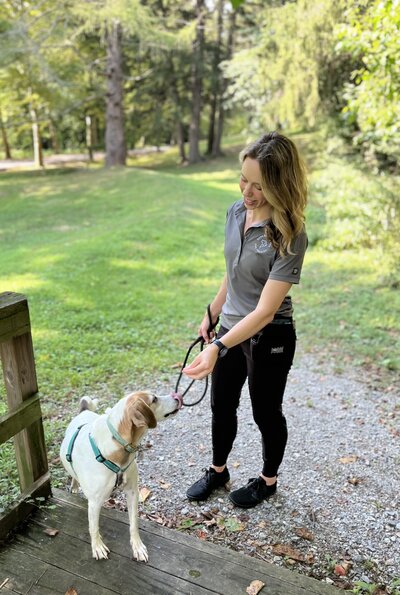
Understanding the Role of a Dog Behaviorist York PA
Navigating complex canine conduct often requires professional guidance, especially when household routines are disrupted by persistent reactivity, profound fear, or destructive habits. According to the American Society for Prevention of Cruelty to Animals (ASPCA), behavioral issues represent one of the primary reasons owners relinquish companion animals to shelters, highlighting the critical need for qualified intervention. For families residing in South Central Pennsylvania, finding a knowledgeable dog behaviorist york pa provides a structured pathway toward resolving deep-seated psychological and emotional challenges in dogs. Rather than merely suppressing unwanted actions, professional behavioral practitioners focus on identifying root triggers, ensuring that households in York and surrounding York County communities achieve long-term harmony through evidence-based methodologies.
💡 Pet Care Key Takeaways:
- Core Focus: Practical health, nutrition, and wellness guidelines for Dog Behaviorist York Pa.
- Target Scope: Pet owners, animal caregivers, and veterinary support staff.
- Best Recommendation: Maintain consistent daily routines and consult an accredited veterinarian before introducing major diet or medical changes.
Defining the Expertise Behind Dog Behaviorist York PA Services
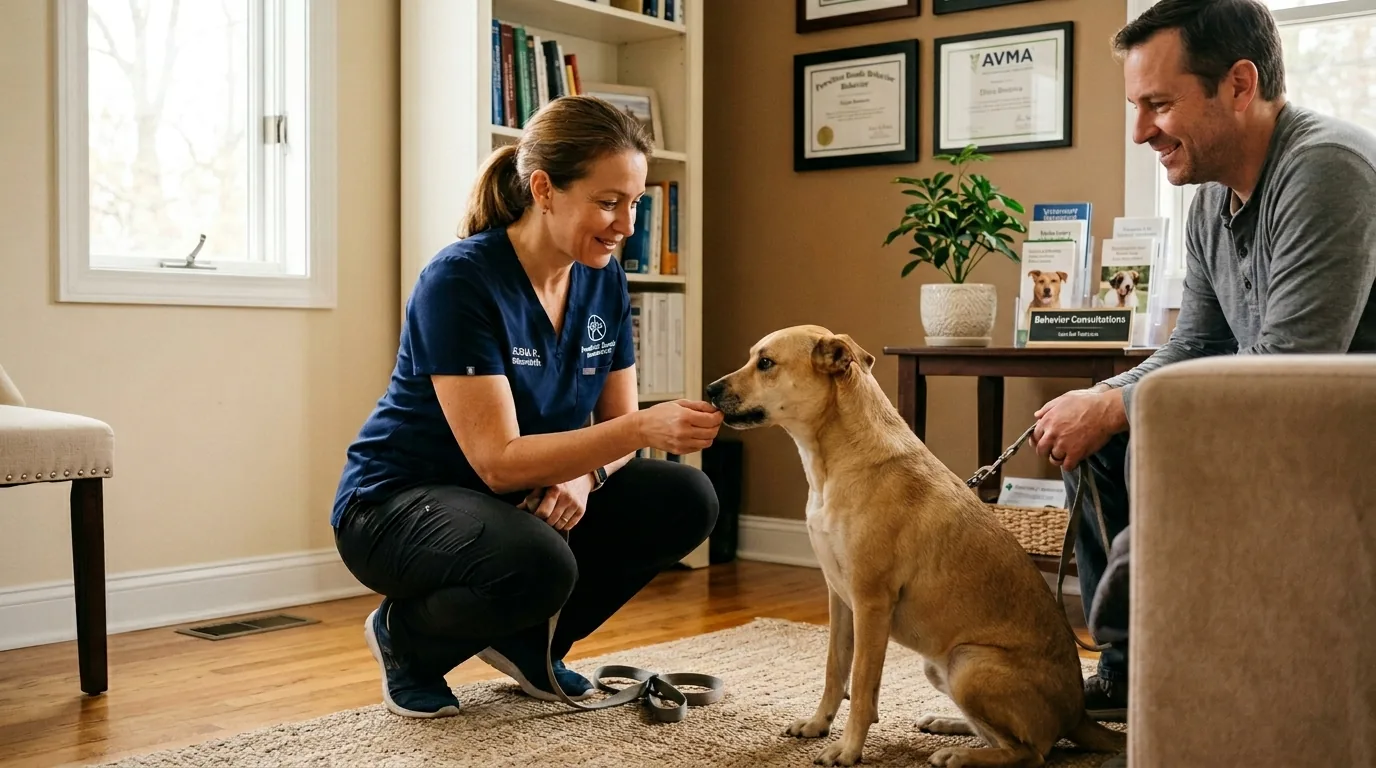
A dog behaviorist york pa typically possesses advanced education and professional credentials in animal behavior, distinguishing them from basic obedience instructors. While obedience trainers generally focus on teaching commands such as sit, stay, and heel, applied animal behaviorists analyze complex emotional states like separation anxiety, resource guarding, and generalized fear. These specialists use humane, science-based techniques rooted in learning theory, such as classical conditioning and systematic desensitization. By carefully evaluating environmental factors, genetic predispositions, and daily routines, a qualified practitioner formulates a customized modification plan designed to alter how a dog perceives and responds to stressful stimuli. For more related activities, check out our Dog Unpredictable Behavior.
Addressing the Impact of Behavioral Distress on Canine Welfare
Unresolved behavioral distress significantly diminishes a dog’s quality of life and places considerable emotional strain on human caregivers. Chronic anxiety triggers physiological stress responses, elevating cortisol levels and potentially leading to secondary health complications or self-soothing disorders such as excessive licking. Addressing these concerns through professional behavioral support helps restore emotional stability, allowing animals to navigate daily environments without constant hypervigilance. Effective behavior modification prioritizes psychological safety, ensuring that animals feel secure while learning alternative coping mechanisms for everyday stressors.
Behavioral problems in companion animals are frequently rooted in unmet social, mental, or physical needs rather than intentional disobedience. — American Veterinary Medical Association
Implementing Effective Behavior Modification Strategies
Implementing structured behavior modification requires patience, consistency, and a thorough understanding of canine communication signals. Practitioners emphasize positive reinforcement, which involves rewarding desired behaviors with high-value treats, praise, or play to increase the likelihood of those actions recurring. Conversely, modern behavioral science strongly cautions against punitive, intimidation-based, or dominance-oriented techniques, as physical corrections often exacerbate fear and trigger defensive aggression. When establishing a modification routine, practitioners break complex triggers down into manageable increments, allowing the dog to process new information without becoming overwhelmed.
Essential Practices and Common Pitfalls to Avoid
Successful outcomes depend heavily on consistency across all household members and strict avoidance of common training mistakes. A frequent error involves rushing exposure exercises, forcing a fearful dog to confront a trigger too quickly, which can cause regression and heightened reactivity. Caregivers should also ensure that expectations align with the individual animal’s learning pace rather than arbitrary timelines. Utilizing clear environmental management—such as baby gates, window films, or designated safe spaces—prevents the rehearsal of unwanted habits while formal behavior modification protocols take effect.
Systematic desensitization combined with counter-conditioning remains the gold standard for safely altering emotional responses to fearful or reactive triggers. — American Kennel Club
Pet Care & Wellness Overview Table
| Life Stage | Daily Activity Level | Key Nutrition / Care Focus |
|---|---|---|
| Puppy / Kitten | High (frequent short bursts) | High-protein growth diet & early socialization |
| Adult Companion | Moderate (30–60 mins daily) | Balanced maintenance nutrition & dental hygiene |
| Senior Pets | Low to Gentle (mindful walks) | Joint support (Glucosamine) & routine vet checks |
Images References





Tailoring Approaches to Breed, Age, and Individual Temperament
Every canine exhibits a unique profile shaped by a combination of genetics, early socialization, and life experiences. Working-herding breeds may channel instinctual herding drives into chasing moving objects or family members, while guardian breeds might display heightened wariness toward unfamiliar visitors. Age also plays a vital role; adolescent dogs undergo hormonal shifts that can temporarily amplify impulsivity, whereas senior dogs experiencing cognitive decline may display sudden confusion or nighttime restlessness. A tailored behavioral plan accounts for these individual variables, ensuring that strategies remain appropriate, safe, and effective for the specific animal.
When to Consult a Veterinarian or Certified Behavior Professional
Persistent behavioral changes, sudden onset aggression, or extreme fearfulness always warrant a thorough veterinary examination to rule out underlying medical conditions, pain, or sensory loss. Physical discomfort frequently manifests as behavioral abnormalities, and addressing a medical root cause is essential before initiating formal behavior modification. For complex psychological concerns such as severe separation anxiety or bite histories, families should seek out board-certified veterinary behaviorists or certified applied animal behaviorists who possess advanced clinical credentials to manage high-risk cases safely.
Supporting Long-Term Canine Wellness and Family Harmony
Dog Behavior modification is an ongoing journey that benefits greatly from continued education, environmental enrichment, and patient reinforcement. By prioritizing humane practices and seeking qualified local guidance, owners establish a foundation of trust that strengthens the human-animal bond. Explore further resources on Dog Training and Dog Care to support your companion’s lifelong health, and visit PetsAnimalsWorld.com for expert insights tailored to every stage of pet parenthood.


