

Building a Successful Dog Care Business Rooted in Canine Welfare
Establishing a thriving enterprise in the pet service industry requires far more than a simple affection for animals; it demands a comprehensive understanding of canine needs, rigorous safety standards, and structured operational planning. According to the American Pet Products Association, pet expenditures continue to reach record highs annually, reflecting a sustained demand for professional, trustworthy pet care services. Navigating this expanding market successfully involves balancing business acumen with animal welfare, ensuring that every service provided—whether boarding, grooming, or daily exercise—prioritizes the physical and emotional wellbeing of the dogs in care.
💡 Pet Care Key Takeaways:
- Core Focus: Practical health, nutrition, and wellness guidelines for Dog Care Business.
- Target Scope: Pet owners, animal caregivers, and veterinary support staff.
- Best Recommendation: Maintain consistent daily routines and consult an accredited veterinarian before introducing major diet or medical changes.
Defining the Scope of Modern Dog Care Operations
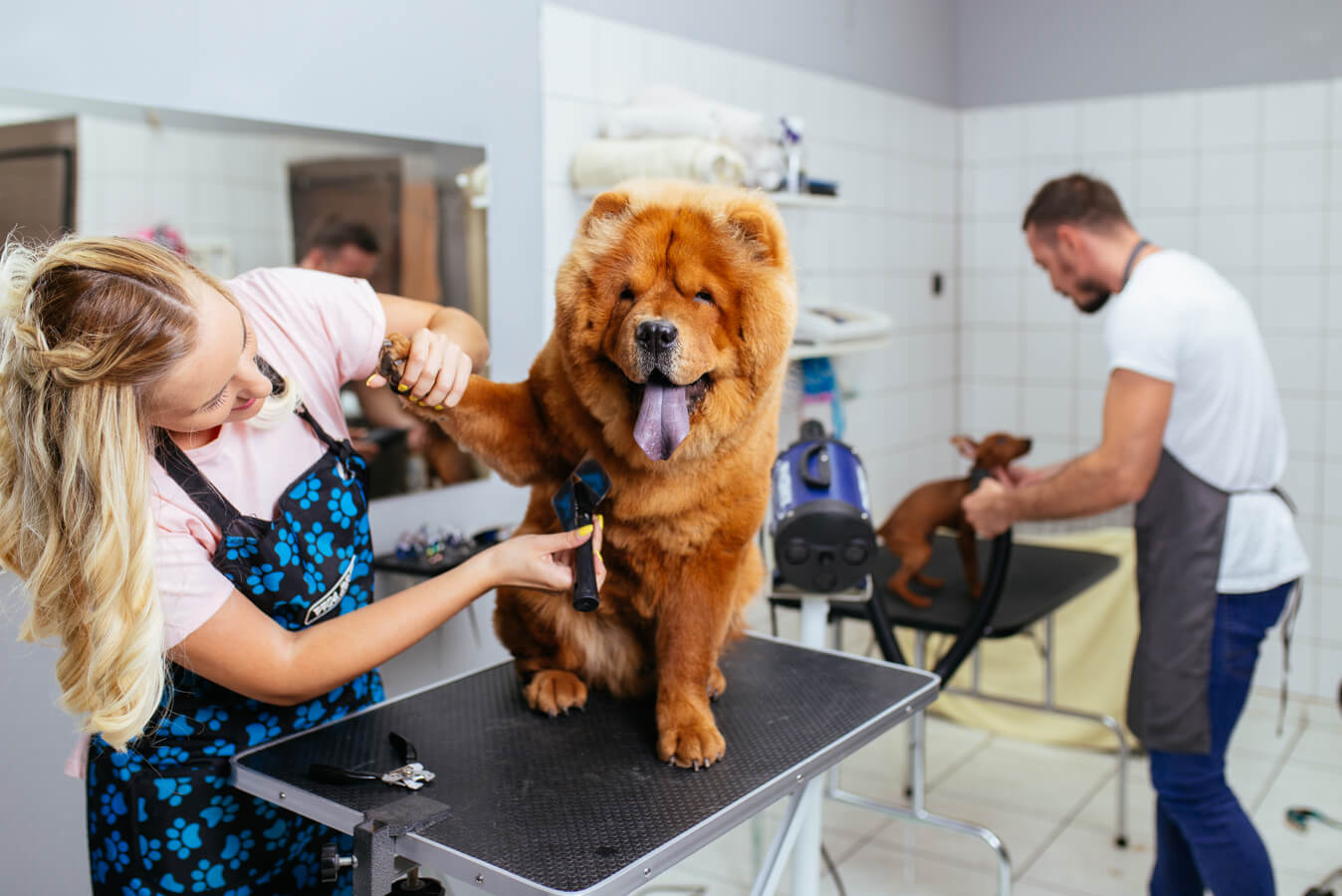
A professional dog care business encompasses a diverse array of specialized services designed to support canine health and owner lifestyles, ranging from structured daycare facilities and overnight boarding to mobile grooming and professional Dog Training. Modern facilities must adhere to strict sanitation protocols, proper ventilation standards, and secure fencing to prevent accidental escapes or disease transmission. Furthermore, implementing clear intake assessments helps operators evaluate temperament, socialization levels, and individual care requirements before accepting a new client into the daily facility routine.
Understanding the Behavioral and Environmental Impacts on Group Care
Managing multiple dogs in a shared environment requires deep insight into canine communication, stress signals, and group dynamics to prevent over-arousal and conflict. Without careful supervision and adequate resting spaces, group settings can quickly induce chronic stress, which negatively impacts overall Dog Health and compromises facility safety. Operators must carefully monitor playgroups for subtle signs of discomfort, such as whale eye, lip licking, or stiff body postures, intervening proactively before minor tensions escalate into altercations.
Proper facility design and low staff-to-dog ratios significantly reduce injury risks and chronic stress indicators in group boarding environments. — International Association of Animal Behavior Consultants
Structuring Daily Operations and Risk Management Strategies
Implementing robust operational workflows and emergency protocols is essential for mitigating risks associated with group animal handling and facility management. Business owners should maintain comprehensive liability insurance, clear client service agreements, and detailed emergency action plans covering medical crises, severe weather events, and facility evacuations. Maintaining transparent communication channels with pet owners regarding daily activities, behavioral observations, and dietary intake builds long-term trust and reinforces professional accountability across all service offerings.
Best Practices for Maintaining High Standards of Animal Welfare
Prioritizing individual canine needs above sheer operational capacity remains a hallmark of ethical and sustainable pet service enterprises. Common pitfalls to avoid include overcrowding play spaces, failing to enforce mandatory rest periods for high-energy dogs, and neglecting continuous staff education regarding canine body language and positive reinforcement techniques. Establishing strict vaccination and parasite prevention requirements for all participating animals further protects the entire facility population from preventable infectious diseases.
Routine cleaning protocols using veterinary-grade disinfectants are critical for preventing the transmission of common canine pathogens in shared facilities. — American Veterinary Medical Association
Pet Care & Wellness Overview Table
| Life Stage | Daily Activity Level | Key Nutrition / Care Focus |
|---|---|---|
| Puppy / Kitten | High (frequent short bursts) | High-protein growth diet & early socialization |
| Adult Companion | Moderate (30–60 mins daily) | Balanced maintenance nutrition & dental hygiene |
| Senior Pets | Low to Gentle (mindful walks) | Joint support (Glucosamine) & routine vet checks |
Images References




Addressing Individual Breed, Age, and Temperament Variations
Tailoring service offerings to accommodate diverse physical capabilities and temperaments ensures that every dog experiences a safe, low-stress environment. While high-energy working breeds may thrive in active group play, senior dogs, brachycephalic breeds prone to respiratory challenges, and shy rescues often require specialized, low-stimulus environments that respect their physical limitations and emotional boundaries. Understanding the nuances of different life stages allows operators to customize handling procedures and resting accommodations effectively for every unique guest.
When to Refer Clients to Veterinary Professionals and Behaviorists
Recognizing operational limitations and knowing when to involve specialized medical or behavioral professionals is a critical responsibility for any pet care provider. For persistent issues involving severe separation anxiety, generalized fear, or sudden behavioral shifts, operators should recommend consultation with a qualified veterinary behaviorist or certified trainer who utilizes humane, science-based methods rather than punitive correction. Similarly, any observation of acute illness, lethargy, persistent vomiting, or unexplained injury warrants an immediate recommendation for veterinary evaluation.
Building a Sustainable Future in the Pet Industry
Creating a lasting enterprise in the animal care sector relies on an unwavering commitment to education, safety, and ethical stewardship. Exploring resources dedicated to Dog Care and Dog Nutrition helps business owners stay informed about emerging industry standards and best practices. Visit PetsAnimalsWorld.com to discover additional educational guides and expert insights designed to support responsible pet ownership and professional excellence.


