

Understanding the role of daily anxiety aids in canine wellness requires looking closely at how canine stress is managed over time.
According to the American Veterinary Medical Association, behavioral issues represent one of the primary challenges reported by pet guardians seeking veterinary guidance. When an animal exhibits persistent nervousness, environmental reactivity, or general unease, finding a reliable way to restore emotional balance becomes an absolute priority. Canine wellness involves more than just physical vitality; mental health shapes every interaction a dog has with the world. Navigating the choices available for nervous pets can feel overwhelming, especially when deciding between short-term fixes and long-term support systems. This uncertainty often leads to questions about specific products designed to soothe nervous temperaments, such as specialized probiotic powders. Establishing a clear routine helps maintain emotional stability, yet understanding the mechanics behind these interventions is essential for every conscientious guardian.
💡 Pet Care Key Takeaways:
- Core Focus: Practical health, nutrition, and wellness guidelines for Is Purina Calming Care A Continuous Supplement Or Temporary.
- Target Scope: Pet owners, animal caregivers, and veterinary support staff.
- Best Recommendation: Maintain consistent daily routines and consult an accredited veterinarian before introducing major diet or medical changes.
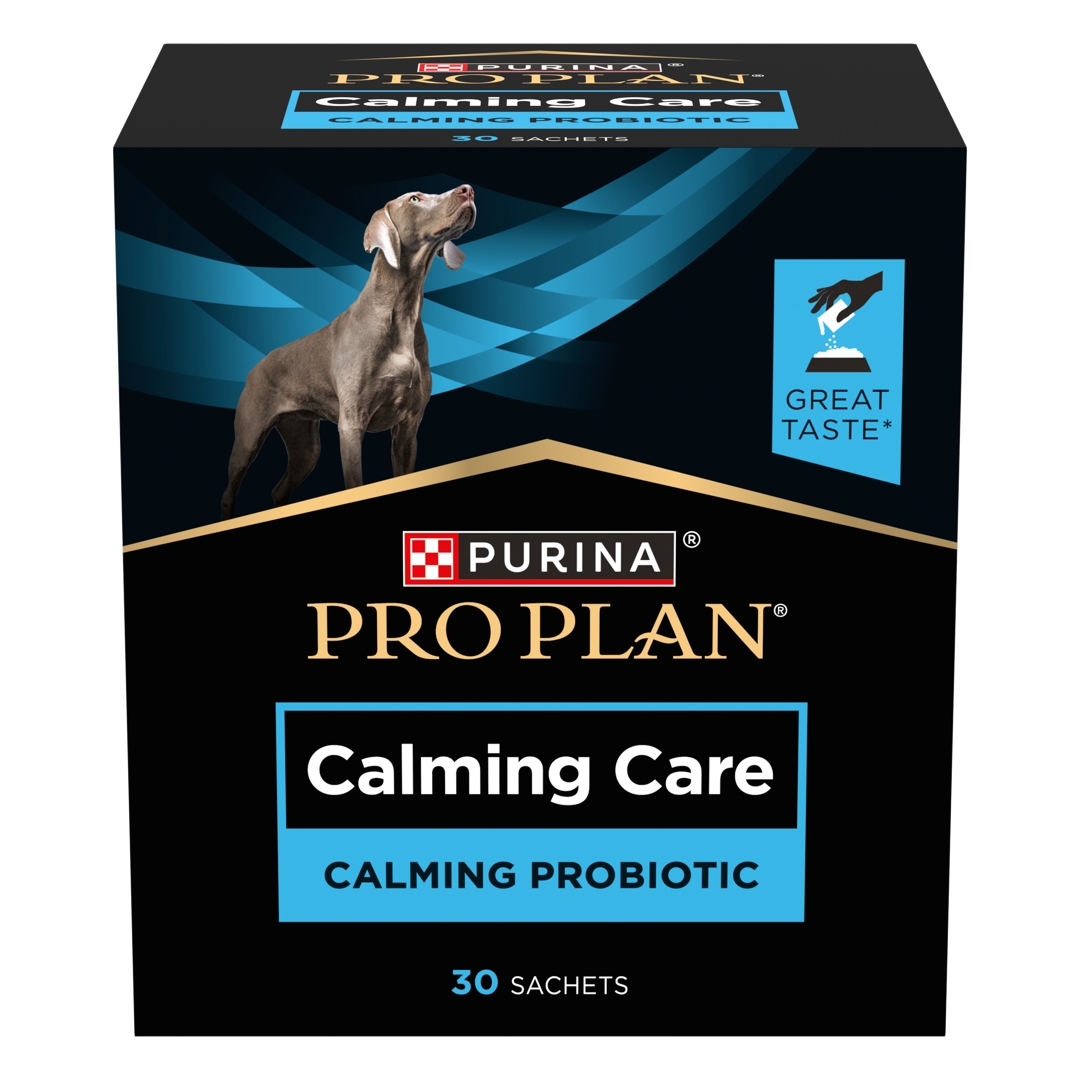
Purina Pro Plan Veterinary Diets Calming Care is formulated as a daily, continuous nutritional supplement rather than a temporary, as-needed quick fix.
Purina Pro Plan Veterinary Diets Calming Care is a specialized dietary powder designed to support calm behavior in dogs through daily administration. The active ingredient in this formulation is a proprietary probiotic strain known as *Bifidobacterium longum* Strain BL999, which interacts with the gut-brain axis. In veterinary medicine, the gut-brain axis describes the biochemical signaling between the gastrointestinal tract and the central nervous system. Because this probiotic works by actively modulating the microbiome and influencing neurological pathways over an extended period, it requires consistent, ongoing use to achieve and maintain its full physiological effects. Intermittent or sporadic dosing fails to sustain the necessary bacterial colonization and biochemical signaling required for noticeable behavioral shifts.
Continuous daily supplementation fosters lasting resilience against everyday stressors by supporting stable neurotransmitter production.
Observing dogs in a clinical setting reveals that sudden environmental changes, unfamiliar visitors, or routine disruptions often trigger acute anxiety responses. Dogs experiencing chronic stress benefit immensely from steady physiological backing rather than reactive interventions applied only during high-stress episodes. Through the gut-brain axis, beneficial bacteria help influence the production of calming neurotransmitters like gamma-aminobutyric acid, commonly known as GABA. Relying on a continuous daily schedule ensures that the microbiome remains consistently supported, reducing overall baseline reactivity over weeks of administration. In clinical practice, veterinary professionals frequently notice that dogs maintained on a steady supplement regimen recover from startling triggers much faster than those receiving irregular support.
The gut-brain axis plays a fundamental role in regulating emotional stability and stress responses in companion animals. — American Veterinary Medical Association
Administering this calming probiotic effectively requires incorporating it seamlessly into the daily feeding routine without interruption.
Integrating the powder into the morning or evening meal ensures that the dog receives the appropriate active components without added stress. Caregivers should sprinkle the recommended packet contents directly over the regular food portion once per day, as verified with a veterinarian. Consistency is the cornerstone of probiotic efficacy, meaning that missed doses can temporarily disrupt the stabilization of the gut microbiome. While individual responses vary based on metabolism and baseline temperament, patience is necessary because visible behavioral improvements typically emerge after several weeks of uninterrupted daily use. Documenting subtle behavioral shifts in a journal can help guardians track progress accurately over time.
Avoiding common pitfalls ensures that the supplement has the optimal environment to support canine emotional health.
One frequent mistake is discontinuing the supplement prematurely after a few days because immediate changes are not visible in the dog’s demeanor. Probiotics require time to colonize and interact meaningfully with the enteric nervous system, making premature discontinuation a barrier to success. Additionally, mixing the powder into hot food can compromise the viability of the live bacteria, rendering the active strain ineffective. Guardians should always consult a veterinarian to confirm the correct application method and ensure the product aligns with the dog’s overall Dog Nutrition plan. Monitoring expiration dates and storing packets in a cool, dry place preserves the potency of the beneficial microorganisms until consumption.
Consistent daily administration of targeted probiotics is essential for maintaining colonization and supporting steady behavioral outcomes. — Association of American Feed Control Officials
Pet Care & Wellness Overview Table
| Life Stage | Daily Activity Level | Key Nutrition / Care Focus |
|---|---|---|
| Puppy / Kitten | High (frequent short bursts) | High-protein growth diet & early socialization |
| Adult Companion | Moderate (30–60 mins daily) | Balanced maintenance nutrition & dental hygiene |
| Senior Pets | Low to Gentle (mindful walks) | Joint support (Glucosamine) & routine vet checks |
Images References


Breed, age, and individual temperament influence how a dog responds to continuous nutritional management for stress and anxiety.
Working lines, herding breeds, and sensitive mixed-breed dogs often process environmental stimuli differently than more laid-back companions, impacting their baseline anxiety levels. Puppies, adult dogs, and seniors each have unique physiological profiles that affect how their digestive tracts absorb and utilize nutritional interventions. A rescue dog with a history of neglect might require a multi-faceted approach combining continuous nutritional support with structured Dog Training methods. Understanding these individual nuances helps tailor expectations, ensuring that the supplement acts as one helpful pillar within a comprehensive Dog Care strategy rather than a standalone cure.
Professional veterinary guidance remains indispensable when designing a comprehensive behavioral and nutritional plan for an anxious dog.
Consulting a licensed veterinarian or a certified animal behaviorist is crucial before introducing any new supplement or altering a pet’s daily regimen. Underlying medical conditions can frequently mimic or exacerbate behavioral anxiety, making a thorough physical examination an essential first step. For severe phobias, panic, or aggressive tendencies, nutritional support alone is rarely sufficient, requiring professional intervention and specialized behavior modification. Exploring broader insights into Dog Health and Dog Behavior empowers guardians to make informed, safe choices for their companions.
Embracing a holistic approach to canine wellness ensures that emotional needs are met with the same dedication as physical requirements. By maintaining steady routines, utilizing targeted nutritional support, and partnering closely with veterinary professionals, guardians can foster a peaceful, confident environment for their beloved animals. Exploring resources available on PetsAnimalsWorld.com offers continued guidance on nurturing a balanced, healthy relationship with every furry companion.




