

According to the American Kennel Club, large and giant dog breeds have a uniquely prolonged growth period compared to smaller canine counterparts, sometimes taking up to two years to reach skeletal maturity. Bringing home a fast-growing canine companion introduces immense joy alongside a heavy responsibility for proper development. Clinical practice often reveals that well-intentioned guardians struggle to balance rapid skeletal expansion with controlled weight gain. Proper canine development relies heavily on precise daily nutrition, making structured feeding guides essential tools for clinical health. Understanding how to properly nourish a giant puppy prevents lifelong orthopedic complications and supports optimal vitality.
💡 Pet Care Key Takeaways:
- Core Focus: Practical health, nutrition, and wellness guidelines for Purina Pro Plan Puppy Large Breed Feeding Chart.
- Target Scope: Pet owners, animal caregivers, and veterinary support staff.
- Best Recommendation: Maintain consistent daily routines and consult an accredited veterinarian before introducing major diet or medical changes.
A purina pro plan puppy large breed feeding chart provides a structured, weight- and age-based matrix designed to regulate the growth rate of puppies destined to exceed fifty pounds as adults.
Formulated by veterinary nutritionists, these guidelines calculate exact daily caloric requirements based on an animal’s current age and anticipated adult weight. Large breed formulas require meticulous nutrient balances—specifically controlled calcium-to-phosphorus ratios—to prevent rapid, uncoordinated bone growth. In veterinary examination rooms, overweight large breed puppies frequently present with developmental orthopedic issues that might have been prevented through strict portion control. Utilizing a standardized feeding matrix removes guesswork, ensuring the developing animal receives optimal energy without overloading vulnerable joints. Adhering to these recommendations supports steady weight gain rather than rapid, unsafe spurts.
Proper skeletal development depends entirely on precise nutrient intake, as excessive calories and calcium can trigger irreversible joint malformations in rapidly growing juveniles.
Canine hip dysplasia and osteochondritis dissecans are debilitating structural conditions deeply influenced by early puppyhood nutrition and overfeeding. When a young canine consumes too many calories, body weight increases faster than immature cartilage and ligaments can stabilize. Consequently, maintaining a lean body condition score throughout the first eighteen months of life protects long-term mobility. Clinical experience shows that puppies kept slightly lean during their growth phase exhibit significantly lower incidences of arthritis later in life. Monitoring body composition regularly—checking for easily palpable ribs and a distinct waistline—matters just as much as following standard bowl measurements.
Studies show that controlled food intake in large breed puppies significantly reduces the incidence and severity of hip dysplasia. — American Veterinary Medical Association
Implementing a feeding schedule requires dividing the daily food allotment into multiple measured meals to support high metabolic rates and prevent dangerous gastric distress.
Young dogs utilize energy efficiently, but their small stomachs cannot process massive volumes of food in a single sitting. Splitting the daily portions across three to four meals during early development reduces digestive strain and minimizes the risk of hypoglycemia. As the animal transitions into adolescence, feeding frequency typically drops to twice daily. Transitioning between puppy food formulas should happen gradually over the course of a week to prevent gastrointestinal upset. Furthermore, measuring food with a standardized kitchen scale rather than a casual scoop ensures accuracy and prevents accidental overfeeding.
Avoiding common portion mistakes protects developing joints and fosters healthy metabolic habits that last a lifetime.
Free-feeding—leaving a bowl full of food out all day—remains one of the most hazardous pitfalls for large breed guardians. Voluntary self-regulation rarely works for dogs, often leading to rapid weight gain and severe orthopedic stress. Additionally, accounting for high-calorie training treats within the daily nutritional budget prevents hidden weight gain. Owners must also remember that exact food quantities serve as baseline estimates rather than rigid rules; individual metabolism, activity levels, and environment dictate true needs. Regular body condition assessments help determine whether portions require minor upward or downward adjustments.
The Association of American Feed Control Officials establishes strict nutritional profiles to ensure large breed puppy diets contain appropriate mineral ratios for safe skeletal growth. — AAFCO
Pet Care & Wellness Overview Table
| Life Stage | Daily Activity Level | Key Nutrition / Care Focus |
|---|---|---|
| Puppy / Kitten | High (frequent short bursts) | High-protein growth diet & early socialization |
| Adult Companion | Moderate (30–60 mins daily) | Balanced maintenance nutrition & dental hygiene |
| Senior Pets | Low to Gentle (mindful walks) | Joint support (Glucosamine) & routine vet checks |
Images References


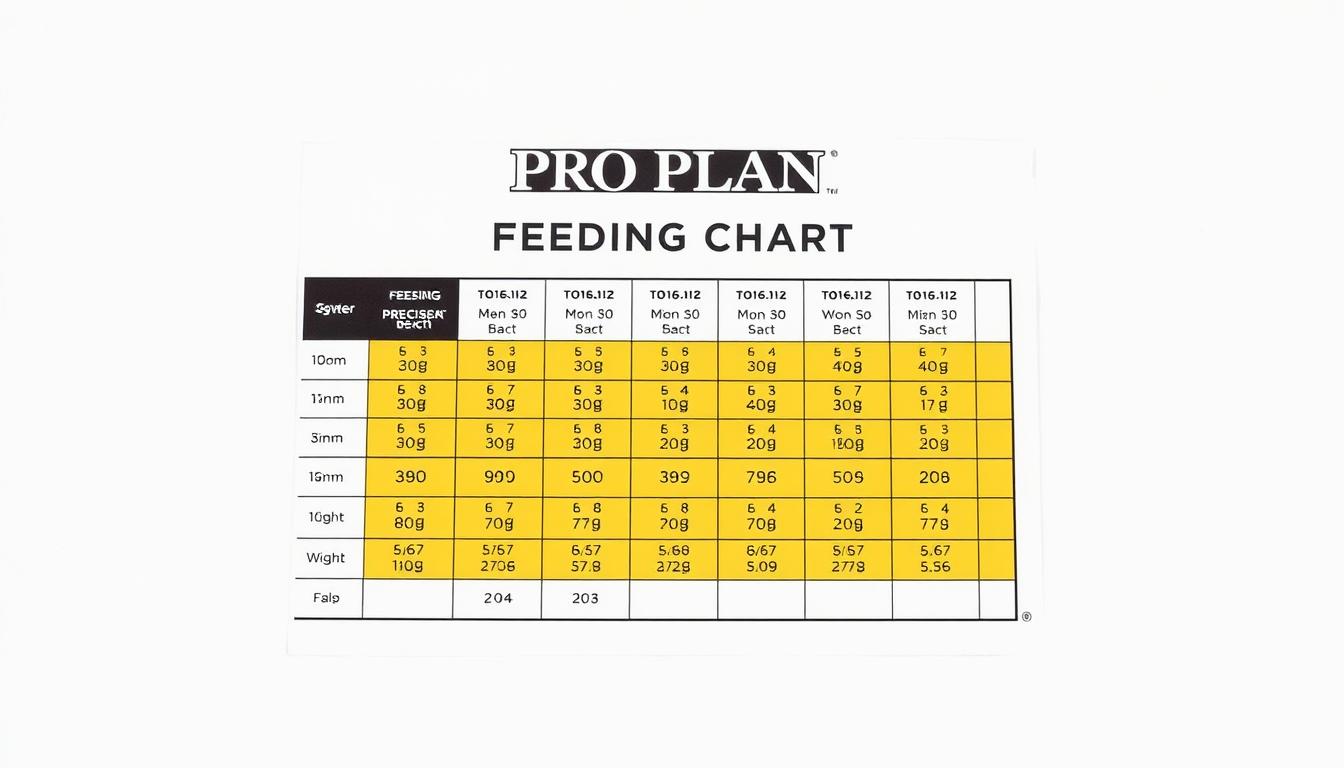

Individual growth spurts, genetic variations, and daily activity levels mean that no single chart fits every puppy with absolute perfection.
A Labrador Retriever puppy running agility drills requires different caloric intake than a calmer Mastiff lounging indoors. Breed-specific metabolic rates dictate subtle adjustments to standard feeding guidelines, requiring continuous observation from the caregiver. Environmental temperatures also influence caloric burn, as colder weather forces the body to expend more energy to maintain core warmth. Observing physical changes and monitoring coat sheen provides valuable clues regarding nutritional adequacy. Consulting comprehensive resources dedicated to Dog Nutrition helps clarify these complex dietary requirements.
Consulting a veterinarian or certified animal nutritionist ensures the chosen feeding plan adapts safely as the puppy matures into adulthood.
Professional guidance becomes invaluable if a puppy displays sudden changes in appetite, unexpected weight fluctuations, or signs of lethargy. Routine wellness exams offer ideal opportunities for a veterinary professional to evaluate body condition scores and update daily food portions accurately. Never hesitate to seek expert advice when evaluating specialty diets or navigating complex growth milestones. Expert oversight protects the animal from nutritional deficiencies and excess supplementation alike, ensuring a sturdy foundation for adulthood. Exploring trusted insights on Dog Health and Dog Care can further empower dedicated pet owners.
Supporting a healthy, active lifestyle through proper nutrition establishes the groundwork for a long, vibrant life alongside a beloved canine companion.
Properly fueling a growing giant requires patience, precision, and a commitment to lifelong wellness education. By relying on scientifically formulated feeding guides and maintaining open communication with veterinary professionals, pet owners set their dogs up for lifelong success. Discover more expert guidance and educational resources by visiting PetsAnimalsWorld.com today.




