

Introduction
The stage of a dog’s life at ten months old is a dynamic period, often characterized by continued physical growth, increasing independence, and a persistent drive to explore the environment. For many dog owners, 10 month old puppy chewing presents a common and sometimes challenging behavioral aspect. While chewing is an entirely natural and essential canine behavior, particularly during puppyhood and adolescence, understanding its nuances at this specific age is crucial. This article delves into why dogs at this stage chew, how to recognize the signs of problematic chewing, and most importantly, how to manage and redirect this instinct effectively. Addressing chewing behavior appropriately at ten months old can significantly enhance a dogs well-being, prevent destructive habits, and foster a harmonious living environment for both the dog and its human companions.
💡 Pet Care Key Takeaways:
- Core Focus: Practical health, nutrition, and wellness guidelines for 10 Month Old Puppy Chewing.
- Target Scope: Pet owners, animal caregivers, and veterinary support staff.
- Best Recommendation: Maintain consistent daily routines and consult an accredited veterinarian before introducing major diet or medical changes.
Common Causes and Key Factors
Chewing is an inherent canine activity, but at ten months old, several specific factors contribute to this behavior. One primary reason is the ongoing process of dental development. Although most permanent teeth erupt by six months, the jaw and surrounding tissues continue to develop and strengthen, which can lead to discomfort or a desire to alleviate pressure through chewing. Exploring the world through the mouth is also a significant factor; dogs use their mouths to investigate textures, tastes, and the properties of objects, making chewing a form of sensory exploration. For more related activities, check out our Dog Care Electric Collar.
Furthermore, a lack of adequate mental and physical stimulation often precipitates excessive chewing. A bored or under-exercised ten-month-old puppy, brimming with energy, may resort to inappropriate chewing as an outlet for pent-up energy or frustration. Anxiety, including separation anxiety or stress due to changes in routine or environment, can also manifest as destructive chewing. Some dogs chew to self-soothe when feeling anxious or lonely. Finally, if early training and redirection were not consistently applied, chewing on forbidden items can become an ingrained habit, difficult to break without intervention.
Signs and Symptoms to Observe
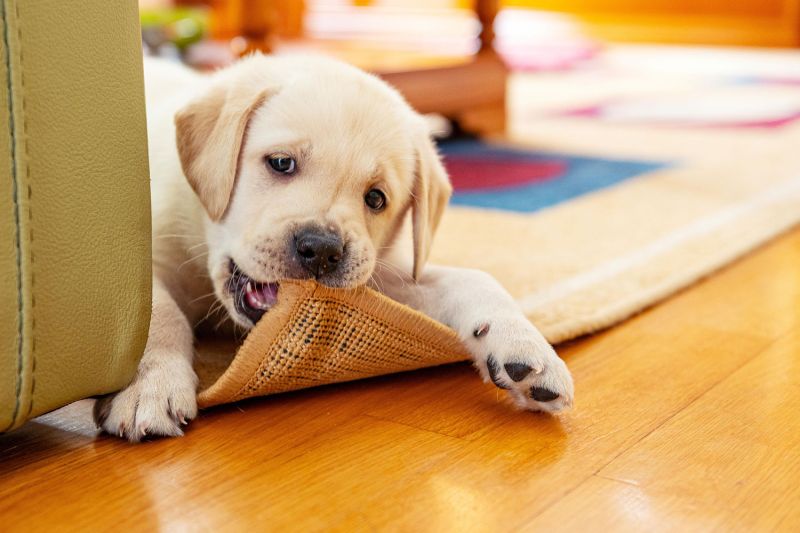
Observing a ten-month-old puppy’s chewing habits can provide valuable insights into its underlying causes. The most evident sign of inappropriate chewing is the destruction of household items, such as furniture legs, remote controls, shoes, or carpets. Dogs may target specific items due to their texture, scent, or simply because they are readily accessible. For instance, objects carrying a human scent often prove particularly tempting.
Excessive chewing, where the dog appears to chew almost continuously or fixates on certain objects for extended periods, can indicate boredom or anxiety. Owners might also notice signs of distress accompanying chewing, such as whining, pacing, or heightened alertness, especially when the chewing is linked to separation anxiety. Beyond household damage, close inspection of a dog’s mouth may reveal physical signs like reddened or swollen gums, which can be indicative of dental discomfort, or even chipped teeth from chewing on overly hard surfaces. Gastrointestinal upset, vomiting, or changes in stool consistency could signal that a dog is ingesting non-food items during chewing episodes.
Practical Solutions and Management Strategies
Managing 10 month old puppy chewing requires a multifaceted approach focused on redirection, consistent training, and environmental management. A fundamental strategy involves providing a wide array of appropriate and engaging chew toys. These should vary in texture, durability, and type, including rubber toys, dental chews, and puzzle toys that dispense treats. Rotating toys keeps interest high and prevents boredom.
Increasing mental and physical stimulation is equally vital. Daily exercise tailored to the dog’s breed and energy level, combined with regular training sessions and interactive games, can significantly reduce the urge to chew inappropriately. Puzzle feeders and snuffle mats offer mental enrichment, channeling natural foraging instincts. Puppy-proofing the home by securing valuable or dangerous items out of reach is an essential preventative measure. For unsupervised periods, utilizing a crate or a puppy-safe area can prevent destructive behavior.
When inappropriate chewing occurs, immediate, calm redirection is key. Interrupt the behavior without harshness and promptly offer an acceptable chew toy, praising the dog enthusiastically when it engages with the correct item. Teaching “leave it” and “drop it” commands strengthens control. Additionally, some owners find bitter-tasting sprays applied to forbidden objects to be effective deterrents, though their application requires careful monitoring to ensure the dog does not simply learn to avoid the treated area and chew elsewhere.
When Professional Help May Be Needed
While many instances of 10 month old puppy chewing can be managed with consistent effort, there are specific scenarios where professional intervention becomes advisable. If destructive chewing persists despite diligent implementation of management strategies, a veterinary consultation is recommended to rule out any underlying medical conditions, such as dental pain or nutritional deficiencies. Ingesting non-food items poses significant health risks, including intestinal blockages or poisoning, and requires immediate veterinary attention.
Moreover, if chewing behavior is accompanied by signs of severe anxiety, such as excessive vocalization, frantic pacing, or self-mutilation, a professional dog trainer or a certified veterinary behaviorist can provide tailored guidance. These experts can assess the root cause of the anxiety and develop a comprehensive behavior modification plan. Similarly, if chewing is linked to aggression or resource guarding, professional guidance is crucial to ensure safety and implement effective training techniques. Seeking professional help ensures that complex behavioral issues are addressed appropriately, promoting the dog’s long-term health and well-being.
Conclusion
Chewing is an inherent and necessary aspect of a dog’s life, especially for a 10 month old puppy navigating its world. Understanding the motivations behind this behavior, whether it stems from developmental needs, boredom, or anxiety, is the first step toward effective management. By consistently providing appropriate chew outlets, ensuring adequate mental and physical stimulation, and applying positive reinforcement training techniques, owners can successfully redirect destructive chewing into constructive activity. Patience, consistency, and a proactive approach are vital. When challenges persist or specific concerns arise, professional guidance offers invaluable support. Ultimately, fostering healthy chewing habits not only protects household items but also contributes significantly to a dogs overall health, happiness, and its enduring bond with its human family.
Pet Care & Wellness Overview Table
| Life Stage | Daily Activity Level | Key Nutrition / Care Focus |
|---|---|---|
| Puppy / Kitten | High (frequent short bursts) | High-protein growth diet & early socialization |
| Adult Companion | Moderate (30–60 mins daily) | Balanced maintenance nutrition & dental hygiene |
| Senior Pets | Low to Gentle (mindful walks) | Joint support (Glucosamine) & routine vet checks |
Images References


For more expert pet care tips and advice, check out our dedicated Dog Behavior guides to keep your companions healthy and happy.




