

According to the American Pet Products Association, a vast majority of households invest in specialized wellness products to support their canine companions’ long-term vitality. In clinical veterinary practice, examining what keeps a dog healthy often leads straight to the food bowl and the specific additives chosen to bridge nutritional gaps. Canines often show subtle signs of dietary deficiencies, ranging from dull coats to persistent paw licking. Investigating popular products like Dinovite helps caregivers understand how targeted dietary support functions at a physiological level. Canine nutrition is a dynamic science, and evaluating ingredient labels remains a foundational responsibility for dedicated pet owners.
💡 Pet Care Key Takeaways:
- Core Focus: Practical health, nutrition, and wellness guidelines for Dinovite Supplement Ingredients.
- Target Scope: Pet owners, animal caregivers, and veterinary support staff.
- Best Recommendation: Maintain consistent daily routines and consult an accredited veterinarian before introducing major diet or medical changes.
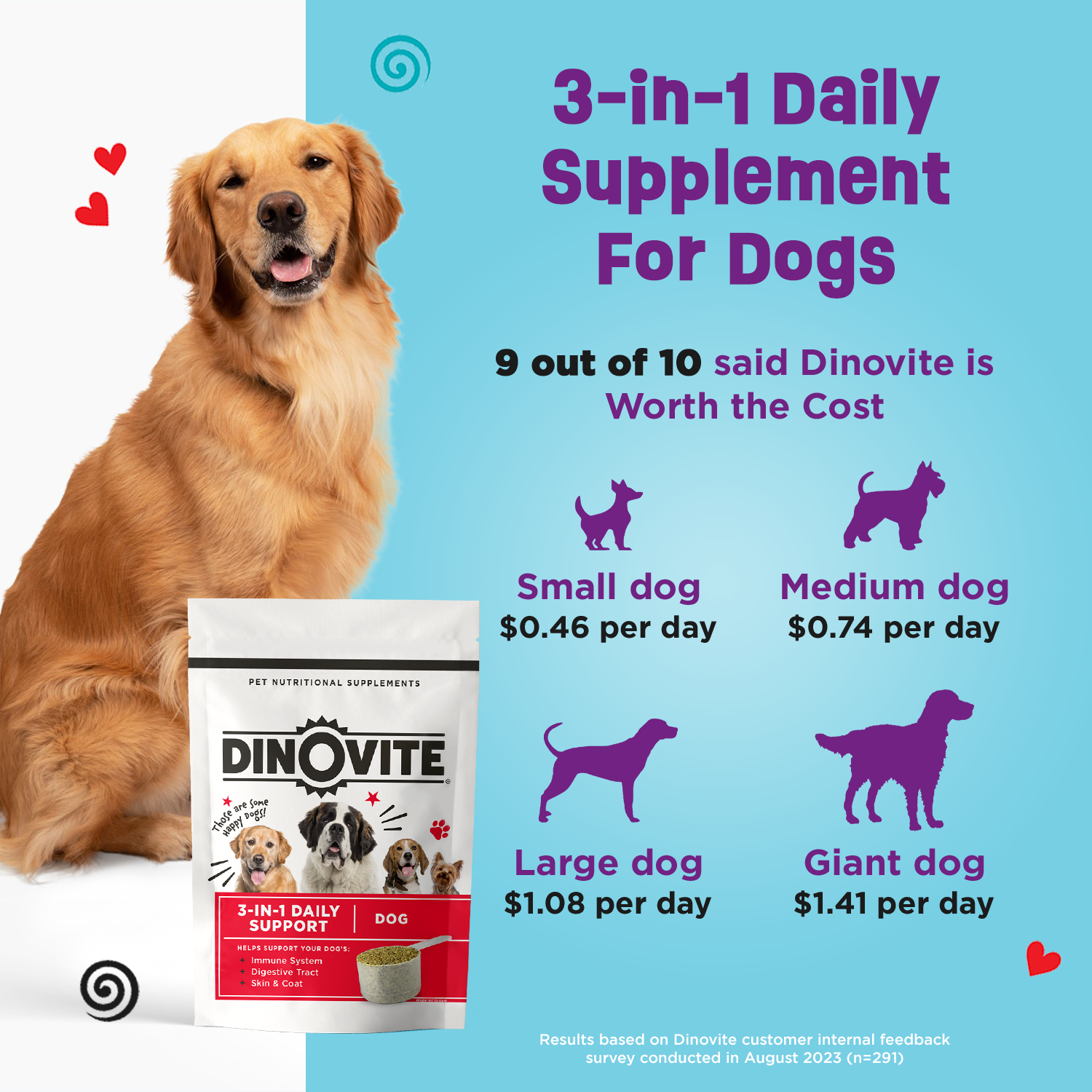
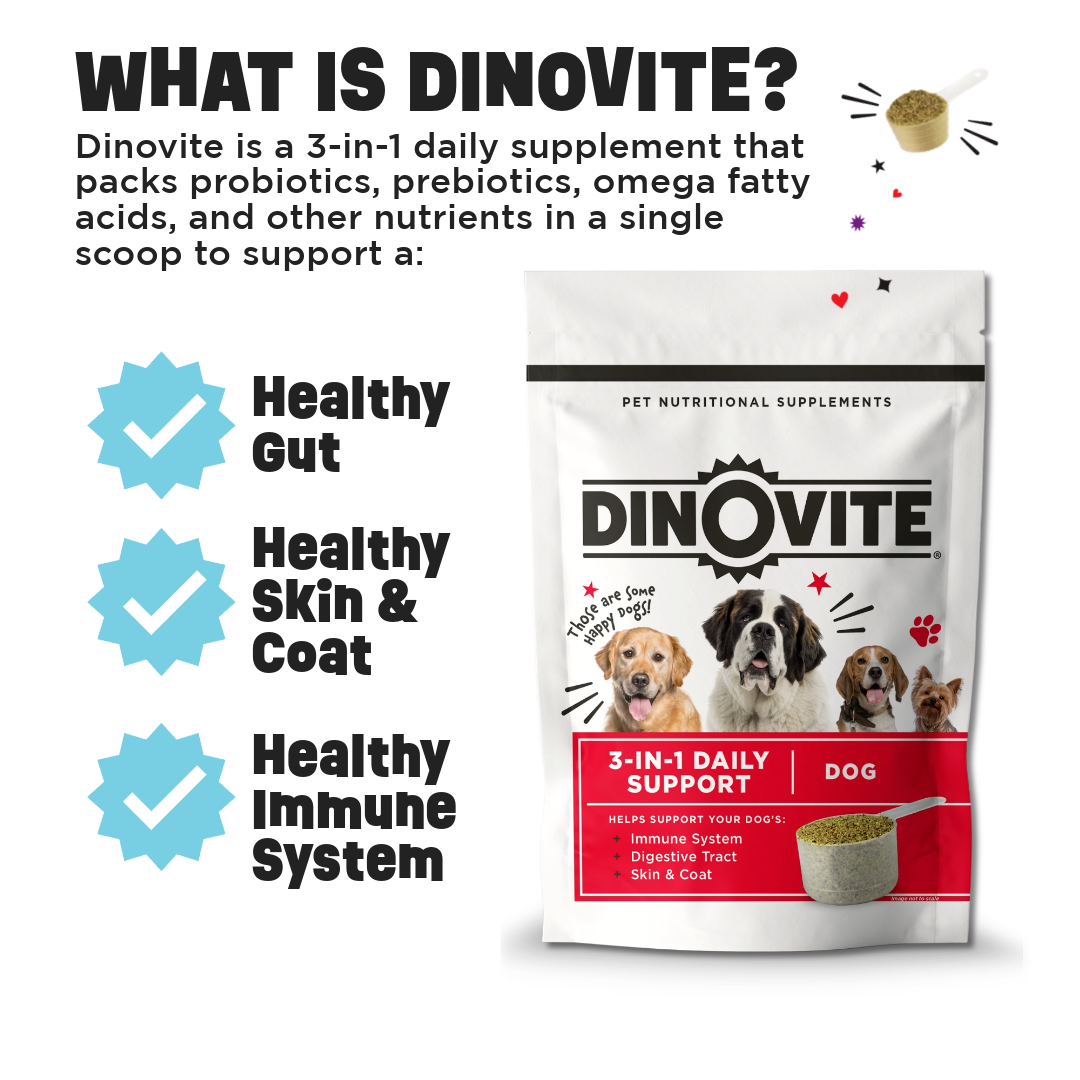
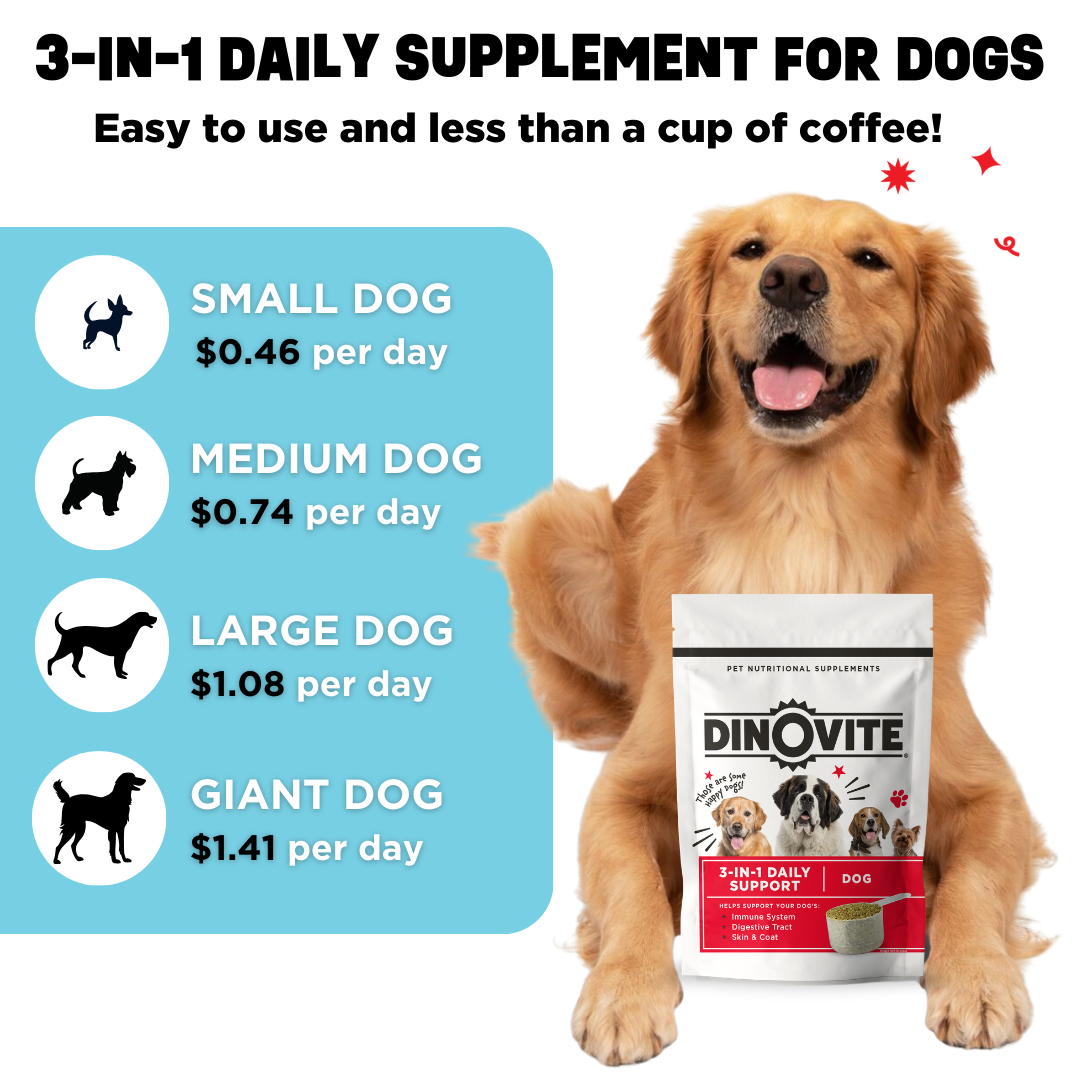
Dinovite supplement ingredients refer to a proprietary blend of vitamins, minerals, omega-3 fatty acids, and digestive enzymes designed to complement a dog’s primary diet.
This specific canine nutritional supplement aims to enhance nutrient absorption and support overall skin and coat health. Examining the label reveals a combination of flax seed meal, dried alfalfa nutrient concentrate, and various direct-fed microbials. These elements work synergistically to support the gut microbiome, which is the community of beneficial bacteria residing in the digestive tract. Furthermore, the inclusion of bovine colostrum provides specialized proteins that support immune function. Veterinary science increasingly emphasizes that optimal health begins in the gastrointestinal tract, making these targeted components particularly noteworthy for daily canine care.
Understanding the physiological impact of these components helps explain why many dogs experience noticeable improvements in skin condition and vitality.
Digestive enzymes such as protease, amylase, and lipase assist in breaking down proteins, carbohydrates, and fats so the body can utilize them more efficiently. When a dog absorbs nutrients properly, skin elasticity improves, shedding often normalizes, and coat luster returns. In clinical settings, dogs presenting with chronic dry skin frequently benefit from the addition of omega-3 and omega-6 fatty acids found in marine and plant-based oils. Additionally, live microorganisms, often referred to as probiotics, help maintain a healthy balance of gut flora, which defends against opportunistic pathogens. These biochemical interactions illustrate the direct link between wholesome supplementation and outward physical wellness.
Proper nutrient absorption relies heavily on a balanced gut microbiome and active digestive enzymes — American Animal Hospital Association
Incorporating these nutritional elements into a feeding routine requires careful attention to product instructions and individual tolerance.
Caregivers should introduce any new supplement gradually to prevent acute digestive upset such as mild diarrhea or gas. Mixing the powder thoroughly into slightly moistened food ensures the dog consumes the entire portion rather than leaving the powdery residue at the bottom of the bowl. Real-world observation in veterinary clinics shows that picky eaters may initially turn their noses up at unfamiliar textures, so starting with a fraction of the recommended amount can ease the transition. Monitoring the animal closely during the first two weeks of supplementation allows caregivers to catch any signs of food intolerance early. Consistency remains the cornerstone of achieving visible health benefits from any dietary addition.
Avoiding common pitfalls ensures that supplementation supports health rather than creating unintended complications.
One frequent mistake involves doubling up on vitamins without realizing that commercial dog foods already contain balanced micronutrient profiles. Over-supplementation of certain fat-soluble vitamins can lead to toxicity, making it crucial to evaluate the base diet first. Another oversight is failing to store powdered products in cool, dry environments, which can degrade live probiotics and render them ineffective. Caregivers should also resist the temptation to alter serving sizes based on guesswork rather than the animal’s actual weight and age. Consulting comprehensive resources on Dog Nutrition helps prevent these common nutritional missteps.
Excessive intake of certain fat-soluble vitamins can lead to adverse health effects in domestic canines — American Veterinary Medical Association
Pet Care & Wellness Overview Table
| Life Stage | Daily Activity Level | Key Nutrition / Care Focus |
|---|---|---|
| Puppy / Kitten | High (frequent short bursts) | High-protein growth diet & early socialization |
| Adult Companion | Moderate (30–60 mins daily) | Balanced maintenance nutrition & dental hygiene |
| Senior Pets | Low to Gentle (mindful walks) | Joint support (Glucosamine) & routine vet checks |
Images References





Breed, age, and individual metabolic rates heavily influence how a dog responds to specific dietary additives.
Large breed puppies have drastically different nutritional tolerances compared to senior toy breeds, meaning that generic supplementation rarely fits every animal. For instance, growing large breeds require precise calcium-to-phosphorus ratios to prevent skeletal developmental disorders, making uncontrolled additives risky. Working dogs with high energy expenditure often process proteins and fats much faster than sedentary couch companions, altering their internal demand for digestive support. Exploring specialized guides on Dog Breeds sheds light on how genetic predispositions dictate unique dietary requirements. Tailoring wellness strategies to the specific life stage and breed characteristics guarantees safer, more effective outcomes.
Professional veterinary guidance is indispensable when incorporating new products into an animal’s daily wellness regimen.
Before making significant changes to a dog’s feeding routine, scheduling a consultation with a licensed veterinarian ensures the chosen formula aligns with any underlying medical conditions. Dogs suffering from chronic pancreatitis, inflammatory bowel disease, or kidney dysfunction require strict dietary management where even minor supplement additions could trigger a flare-up. Veterinarians can review complete ingredient lists to check for potential allergens or contraindications with prescribed medications. Leveraging professional expertise safeguards the animal against avoidable health setbacks while optimizing their nutritional intake for longevity.
Making informed choices about canine wellness products empowers caregivers to support their companions effectively throughout every life stage.
Prioritizing high-quality ingredients, understanding physiological impacts, and maintaining open communication with veterinary professionals ensures a long, vibrant life for beloved four-legged family members. Exploring reliable educational hubs like PetsAnimalsWorld.com provides ongoing insights into specialized Dog Health practices. For additional tips on managing daily habits, browse articles dedicated to Dog Care. Dedicated research combined with professional veterinary oversight creates the ultimate foundation for lifelong canine wellness and happiness.




