
Understanding the impact of fluid retention on canine health requires careful attention to daily nutrition and dietary management.
According to the American Veterinary Medical Association, proper dietary management plays a foundational role in supporting internal organ function and fluid balance in domestic canines. When a dog develops edema, which is the medical term for swelling caused by excess fluid trapped in body tissues, every meal matters significantly. Many pet caregivers notice a sudden tight belly, swollen paws, or a reluctance to move around the living room. These physical changes often point toward underlying conditions involving the heart, kidneys, or liver. Addressing this delicate medical state demands a thoughtful look into canine nutrition and specialized veterinary diets.
💡 Pet Care Key Takeaways:
- Core Focus: Practical health, nutrition, and wellness guidelines for What Food For My Dog Who Has Fluid Retention.
- Target Scope: Pet owners, animal caregivers, and veterinary support staff.
- Best Recommendation: Maintain consistent daily routines and consult an accredited veterinarian before introducing major diet or medical changes.
Edema in dogs describes an abnormal accumulation of fluid within the interstitial spaces of tissues or body cavities.
Fluid retention is rarely a standalone diagnosis; rather, it serves as a visible symptom of systemic imbalance. When the cardiovascular system struggles to circulate blood efficiently, or when blood proteins drop too low due to kidney or liver distress, plasma leaks out of blood vessels and pools in the extremities or abdomen. Over years of clinical practice, examining dogs with swollen limbs reveals that the body is struggling with electrolyte regulation and blood pressure control. Understanding this physiological mechanism helps explain why standard commercial kibble often falls short for a canine dealing with systemic fluid buildup. For more related activities, check out our Nutra Complete Dog Food Feeding Guide For Senior Dogs.
Dietary modifications directly influence blood pressure, electrolyte balance, and fluid accumulation in compromised dogs.
Managing canine edema successfully relies heavily on controlling specific nutrients, most notably sodium. If a dog consumes high levels of dietary salt, the body retains water to maintain proper sodium concentrations in the bloodstream, placing extra strain on an already overworked heart. Furthermore, ensuring adequate, high-quality protein intake prevents the further drop of oncotic pressure, which is the pulling force that keeps fluid inside blood vessels. Balancing these nutritional parameters requires a veterinary prescription diet designed explicitly for cardiac or renal support.
Restricting dietary sodium is a primary nutritional strategy used by veterinarians to manage fluid retention and reduce cardiovascular strain in dogs diagnosed with heart disease. — American Kennel Club
Selecting the appropriate therapeutic diet involves working closely with a veterinarian to address the root cause of the swelling.
Finding the correct meal plan means looking beyond generic pet store labels and focusing on clinically tested veterinary formulas. These specialized foods restrict sodium meticulously while maintaining high palatability to encourage eating, which is vital since sick dogs often lose their appetite. Transitioning to a new food should always happen gradually over the course of a week to prevent digestive upset. Mixing small amounts of the new therapeutic diet into the old food helps the digestive tract adjust smoothly.
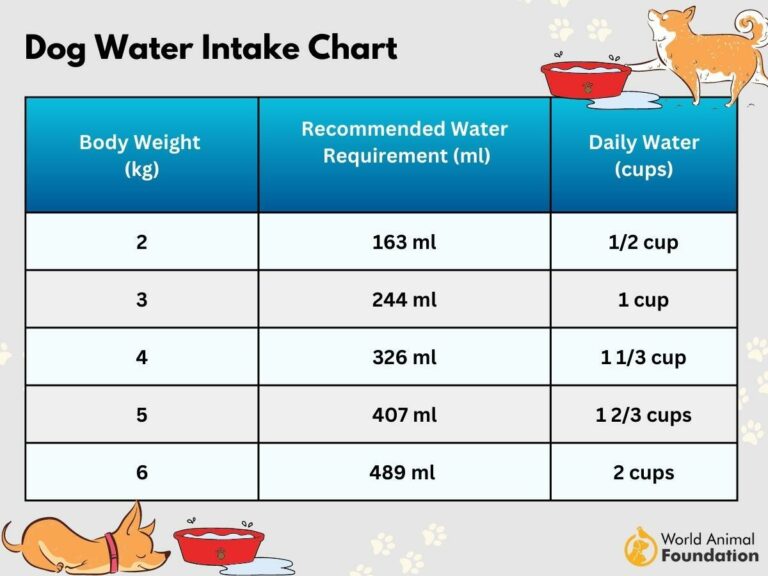
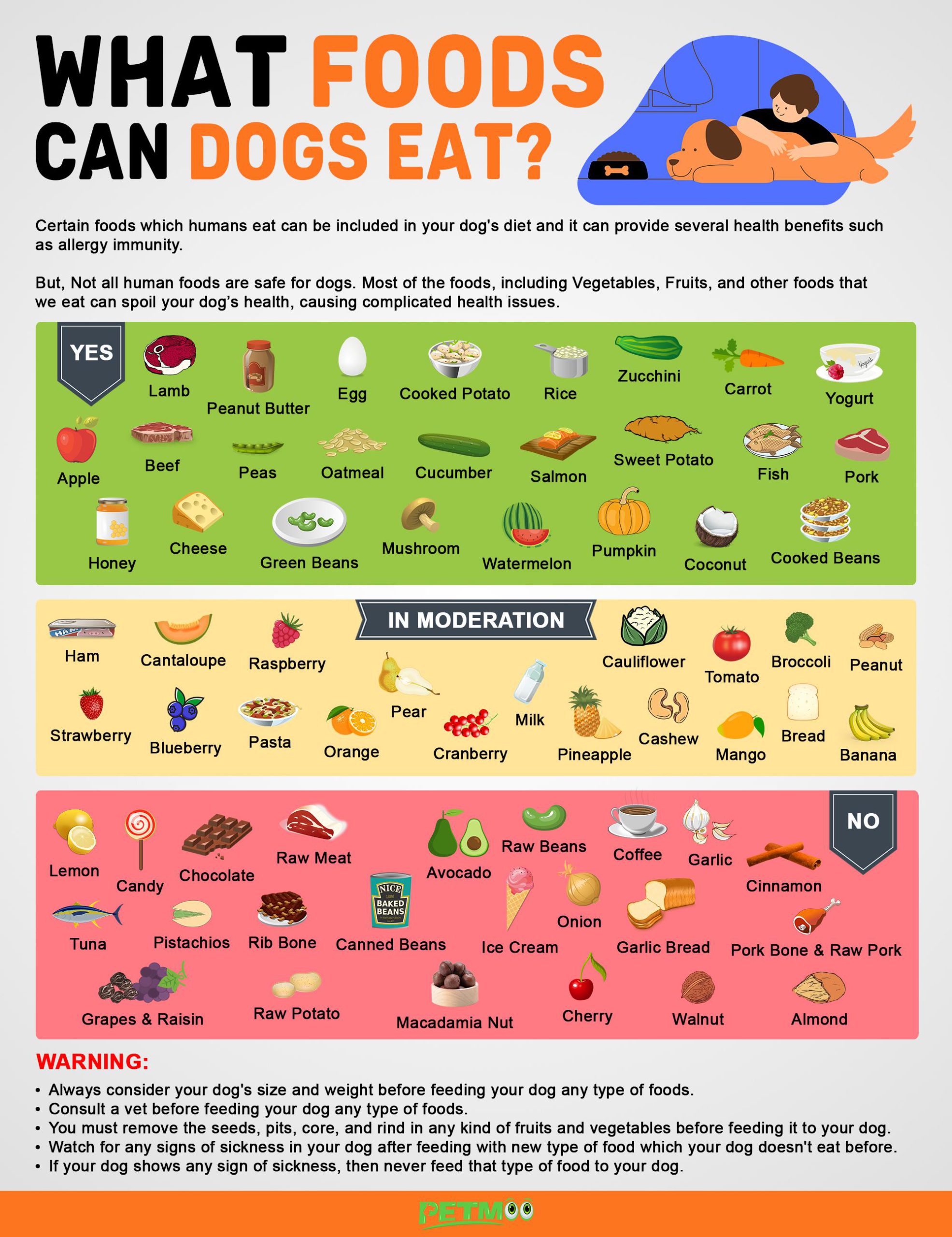
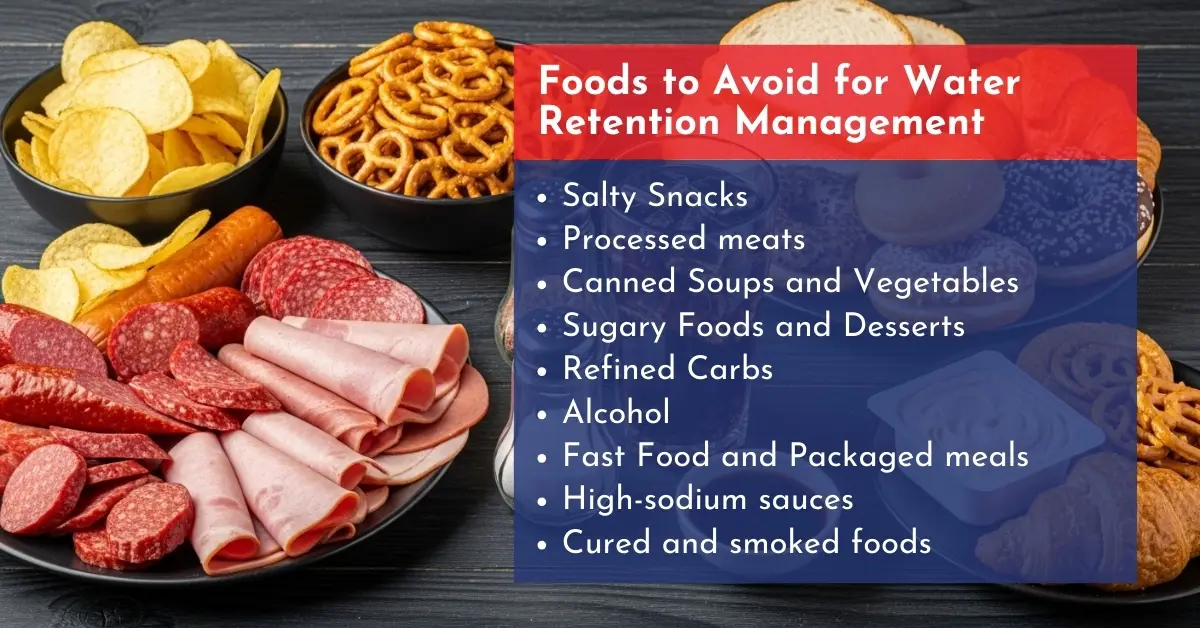
Many well-meaning owners accidentally sabotage treatment by sharing processed meats, cheese, or leftover human meals that contain staggering amounts of sodium. In addition, certain commercial treats can quietly derail strict dietary limits. Always review ingredient panels thoroughly and consult a professional before introducing any supplements. It is equally important to remember that sudden changes in water consumption should be monitored alongside food intake, as excessive thirst can exacerbate fluid buildup.
Commercial pet treats and processed human foods often contain high levels of hidden sodium that can rapidly counteract the benefits of a low-sodium prescription diet. — Association of American Feed Control Officials
Pet Care & Wellness Overview Table
| Life Stage | Daily Activity Level | Key Nutrition / Care Focus |
|---|---|---|
| Puppy / Kitten | High (frequent short bursts) | High-protein growth diet & early socialization |
| Adult Companion | Moderate (30–60 mins daily) | Balanced maintenance nutrition & dental hygiene |
| Senior Pets | Low to Gentle (mindful walks) | Joint support (Glucosamine) & routine vet checks |
Images References




Certain breeds, senior dogs, and those with pre-existing conditions face a higher risk of developing fluid retention.
Older canines and specific breeds predisposed to mitral valve disease, such as Cavalier King Charles Spaniels, require lifelong nutritional vigilance. As metabolism slows and organ function declines with age, the margin for dietary error shrinks considerably. Recognizing these genetic and age-related vulnerabilities allows caregivers to implement preventive nutritional strategies before severe edema manifests. Monitoring body condition scores and tracking subtle weight fluctuations at home can provide early warnings of internal fluid shifts.
Professional veterinary guidance remains indispensable whenever managing complex medical symptoms like persistent swelling.
Self-diagnosing or arbitrarily altering a dog’s diet without veterinary oversight can lead to severe nutritional deficiencies or worsen the underlying disease. Blood panels, imaging, and professional diagnostics are necessary to determine whether the fluid retention stems from cardiac failure, hepatic disease, or protein-losing enteropathy. Only a licensed veterinarian can accurately tailor a nutritional and medical treatment plan tailored to the unique physiological needs of an individual dog.
Supporting canine wellness through informed choices builds a foundation for a comfortable and balanced life.
Navigating canine health challenges requires patience, consistency, and a deep commitment to evidence-based care. By prioritizing targeted nutrition and partnering closely with veterinary professionals, pet caregivers can significantly enhance the quality of life for their canine companions. For further guidance on keeping pets healthy and thriving, explore comprehensive resources on PetsAnimalsWorld.com, including expert insights into Dog Health, specialized Dog Nutrition, and essential Dog Care.




