

Decoding Canine Conduct Through a Comprehensive Dog Behavior Guide
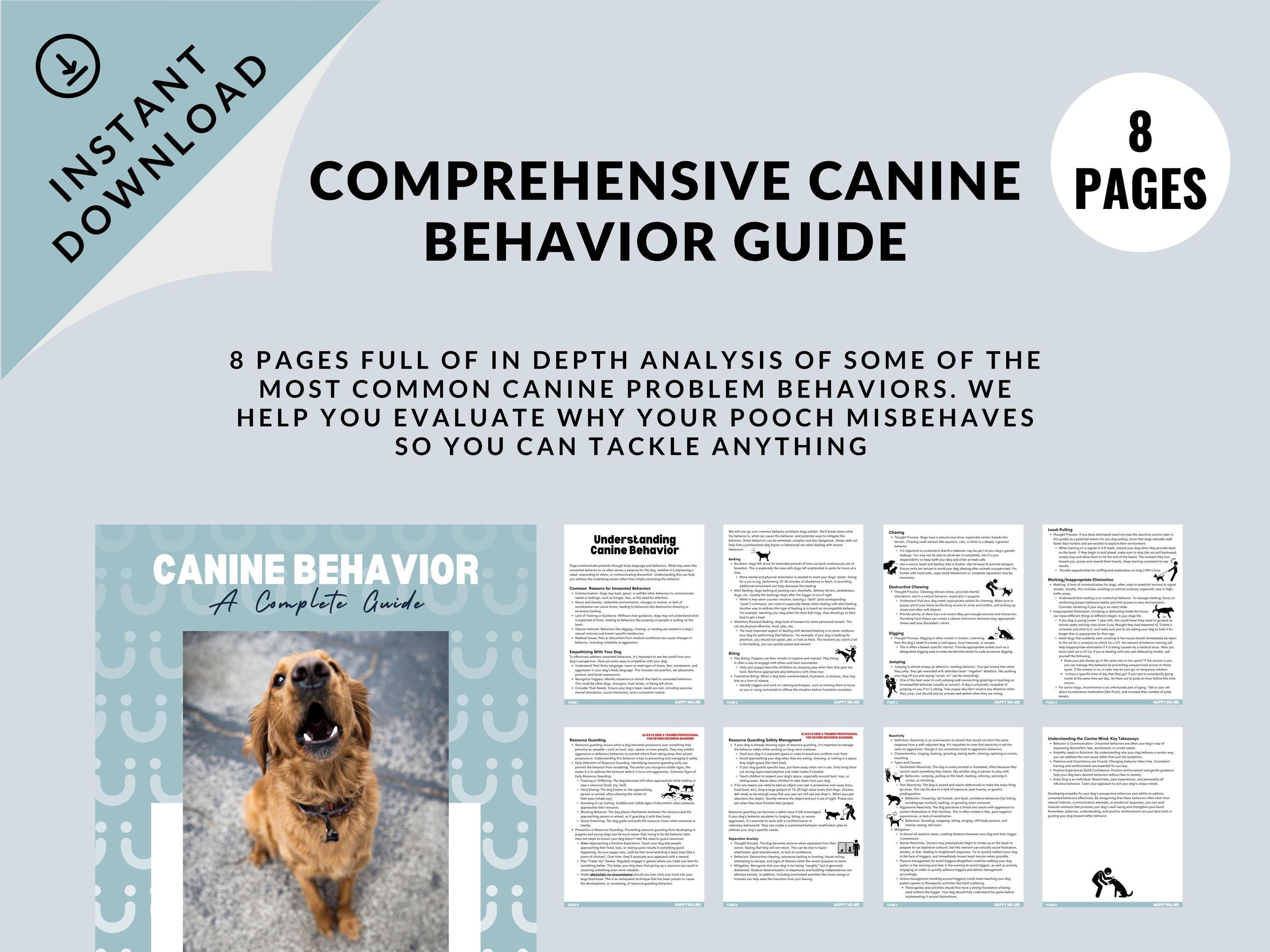
Understanding why domestic canines act the way they do forms the cornerstone of responsible pet guardianship and long-term harmonious living. According to the American Society for the Prevention of Cruelty to Animals, behavioral issues remain a primary reason dogs are relinquished to shelters, making early education vital for animal welfare. A reliable dog behavior guide helps human companions translate subtle physical signals, vocalizations, and environmental responses into clear messages. Far beyond simple obedience training, studying canine ethology—the scientific study of animal behavior—allows households to foster mutual trust, prevent misunderstandings, and build deeper connections with their four-legged family members. Every canine action communicates an internal state, whether that involves joy, curiosity, exhaustion, or distress.
💡 Pet Care Key Takeaways:
- Core Focus: Practical health, nutrition, and wellness guidelines for Dog Behavior Guide.
- Target Scope: Pet owners, animal caregivers, and veterinary support staff.
- Best Recommendation: Maintain consistent daily routines and consult an accredited veterinarian before introducing major diet or medical changes.
Defining Canine Communication and Instinctual Drives
A comprehensive dog behavior guide encompasses the full spectrum of physical postures, facial expressions, and vocal cues that animals use to interact with the world. Canines rely heavily on body language, including ear position, tail carriage, and weight distribution, to signal their intentions and emotional thresholds. For example, a relaxed body denotes comfort, while a stiffened stance and direct eye contact often signal high arousal or potential conflict. This framework of understanding also looks at foundational instincts, such as foraging, predatory sequence completion, and territorial pacing. Recognizing that these actions stem from evolutionary history rather than spiteful motivation shifts how households interpret daily habits, transforming frustration into empathetic observation and proactive environmental management.
The Connection Between Physical Wellness and Behavioral Expression
Behavioral shifts often serve as the earliest outward indicators of underlying medical discomfort or chronic pain. When a normally docile animal suddenly displays irritability, withdrawal, or reactivity, veterinary investigation is essential to rule out conditions like osteoarthritis, dental disease, or neurological issues. Pain masking is an evolutionary survival mechanism in canines, meaning physical distress frequently manifests as altered conduct rather than obvious whimpering. Maintaining open communication within the realm of Dog Health ensures that physical ailments are addressed promptly, preventing unnecessary suffering and stabilizing psychological well-being.
Behavioral changes, such as sudden aggression, lethargy, or indoor elimination, frequently serve as the primary clinical indicators of underlying medical issues or chronic pain in companion canines. — American Veterinary Medical Association
Implementing Positive Reinforcement and Humane Management Strategies
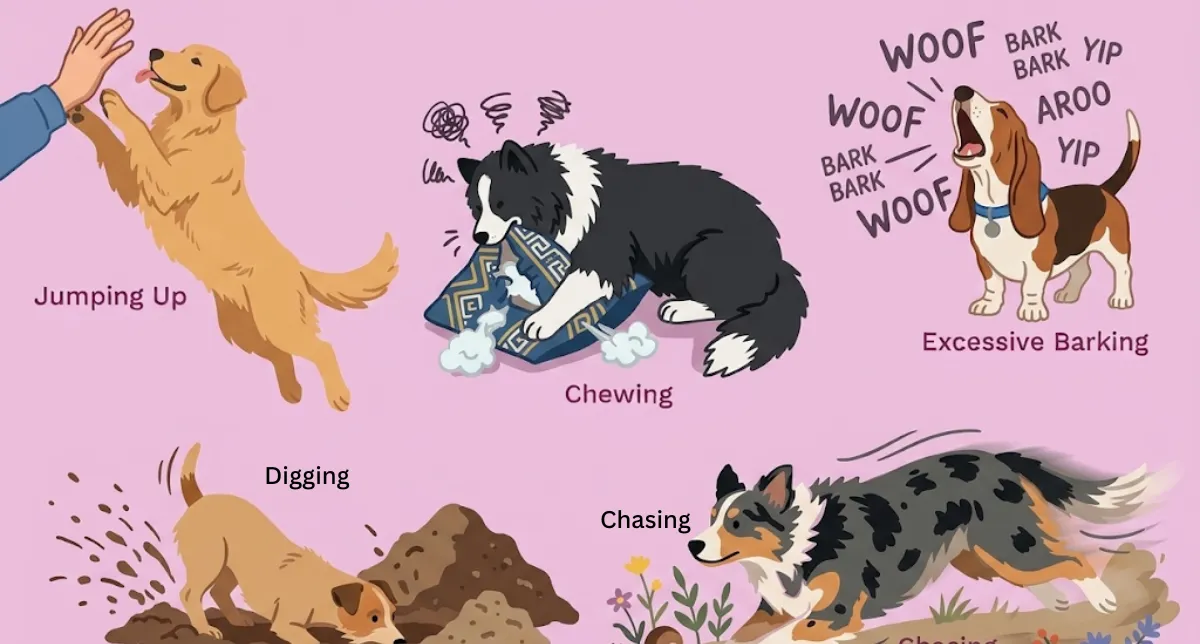
Guiding canine conduct effectively relies on modern, science-backed learning theory that prioritizes positive reinforcement over outdated dominance models. Positive reinforcement involves rewarding desired actions with high-value treats, praise, or play, thereby increasing the likelihood that the action will be repeated. Conversely, punishment-based methods introduce fear and confusion, which can escalate defensive reactions and damage the human-animal bond. Integrating structured routines within Dog Training sessions helps clarify expectations for the animal. Environmental management, such as blocking visual triggers at windows or providing designated digging zones, prevents rehearsal of unwanted habits while alternative behaviors are taught.
Best Practices and Common Missteps in Shaping Canine Habits
Consistency, timing, and patience represent the three pillars of successfully guiding animal conduct across all developmental stages. A frequent misstep involves delivering rewards too late, which causes confusion because the animal cannot connect the reinforcer to the specific action just performed. Another common error is expecting generalization too quickly; an animal that listens reliably in a quiet living room may struggle to focus in a bustling public park due to sensory overload. Breaking training sessions into short, engaging increments prevents cognitive fatigue. Furthermore, establishing appropriate physical and mental enrichment prevents boredom-related destructive chewing, excessive barking, and compulsive pacing. Integrating general Dog Care principles into daily routines reinforces emotional stability and physical health simultaneously.
Canines possess strong associative memory loops, meaning that reinforcing a desired action within less than two seconds significantly improves learning speed and retention during behavioral modification. — American Kennel Club
Pet Care & Wellness Overview Table
| Life Stage | Daily Activity Level | Key Nutrition / Care Focus |
|---|---|---|
| Puppy / Kitten | High (frequent short bursts) | High-protein growth diet & early socialization |
| Adult Companion | Moderate (30–60 mins daily) | Balanced maintenance nutrition & dental hygiene |
| Senior Pets | Low to Gentle (mindful walks) | Joint support (Glucosamine) & routine vet checks |
Images References




Breed Heritage, Age, and Individual Temperament Factors
Genetic predispositions heavily influence behavioral tendencies, meaning a functional dog behavior guide must account for breed-specific traits and historical purposes. Herding breeds, for instance, often display intense shadowing or nipping tendencies due to generations of selective breeding for livestock management. Sighthounds rely on rapid visual tracking and may bolt when spotting fast-moving small animals, while guardian breeds might show natural wariness toward unfamiliar visitors. Exploring distinct characteristics through resources focused on Dog Breeds helps households tailor expectations realistically. Age also dictates behavioral baselines; energetic adolescents require structured outlets for boundless stamina, whereas senior canines experience cognitive decline that alters sleep cycles and spatial awareness.
When to Consult a Veterinary Behaviorist or Certified Professional
Persistent, intense, or dangerous behavioral concerns require the specialized expertise of a qualified professional rather than standard home remedies. Conditions such as severe separation anxiety, generalized fear, redirected aggression, or sudden compulsive disorders demand a nuanced, individualized treatment plan. Certified applied animal behaviorists and veterinary behaviorists possess advanced credentials to diagnose complex psychological conditions and, when necessary, prescribe pharmaceutical support to lower baseline anxiety. Seeking expert guidance early prevents ingrained habits from worsening and safeguards both human and animal safety within the household environment.
Exploring Further Resources for Lifelong Canine Companionship
Deepening understanding of canine conduct is an ongoing journey that enriches the lives of both pets and their families. By prioritizing patience, evidence-based learning methods, and proactive wellness checks, households can navigate developmental milestones with confidence. Exploring additional guides on Dog Nutrition provides further insight into how diet impacts daily energy and focus. To discover a wealth of articles dedicated to enriching the lives of companion animals, visit PetsAnimalsWorld.com and explore the full suite of expert-backed educational resources.




