

Understanding the Language of Canine Lip Licking
Interpreting subtle physical cues in domestic canines forms a fundamental pillar of effective Dog Training and general animal care. According to the American Society for the Prevention of Cruelty to Animals (ASPCA), physical signals like tongue flicks often communicate emotional states ranging from minor hesitation to acute stress. Because dogs cannot use human language, their physical gestures serve as the primary bridge for understanding internal experiences. Recognizing these nuances allows observers to respond appropriately to shifting emotional states before escalation occurs.
💡 Pet Care Key Takeaways:
- Core Focus: Practical health, nutrition, and wellness guidelines for Dog Behavior Licking Lips.
- Target Scope: Pet owners, animal caregivers, and veterinary support staff.
- Best Recommendation: Maintain consistent daily routines and consult an accredited veterinarian before introducing major diet or medical changes.
Defining the Physiological and Behavioral Meaning Behind the Gesture
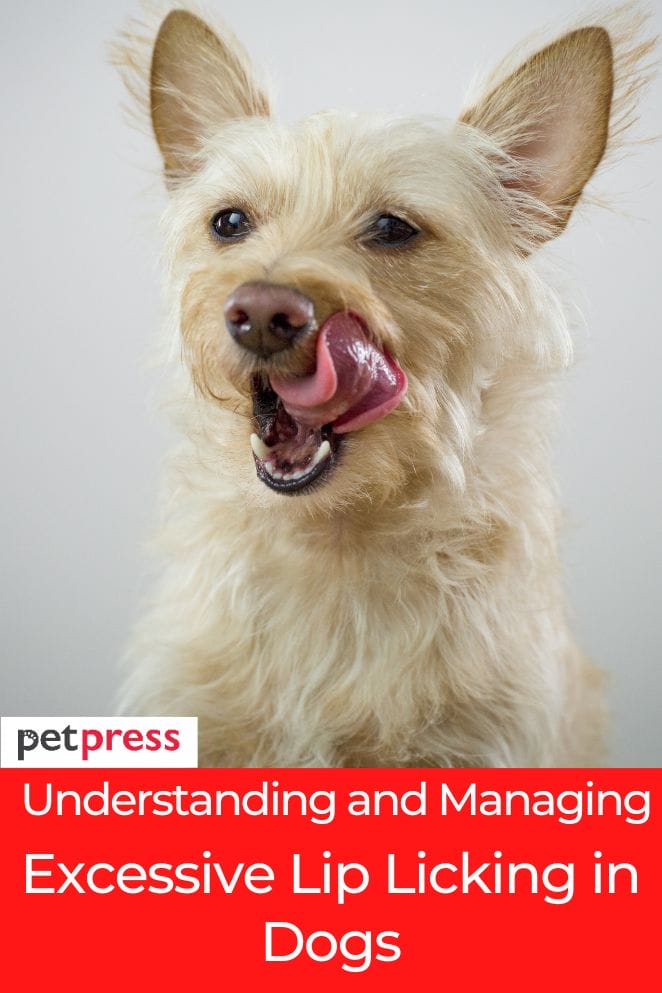
Dog behavior licking lips, frequently referred to in behavioral science as an acute appeasement gesture or a displacement behavior, involves a brief flick of the tongue across the nose or lips without the presence of food. Ethologists and animal behaviorists categorize this action as a classic calming signal—an observable movement performed to reduce social tension or cope with internal discomfort. While a dog might occasionally lick the muzzle after eating or drinking, the behavioral variant occurs rapidly and out of context, often in response to environmental pressures, close handling, or unexpected noises. Observing the surrounding context helps distinguish an appetite-driven reaction from an emotional response.
Decoding the Emotional, Environmental, and Medical Triggers
Multiple underlying causes can prompt a dog to flick the tongue, ranging from psychological unease to underlying physical pathologies requiring intervention. Behavioral triggers typically involve perceived threats, unwanted physical affection, or high-arousal situations where the animal feels conflicted. Conversely, medical concerns such as dental pain, nausea, foreign objects lodged in the oral cavity, or neurological irritation can also provoke repetitive lip licking. Understanding these diverse origins requires careful observation of frequency, duration, and accompanying physical signs.
Appeasement gestures like lip licking frequently function as non-verbal conflict avoidance signals in social interactions. — American Society for the Prevention of Cruelty to Animals (ASPCA)
Observing and Responding to Subtle Stress Signals Safely
Managing canine stress requires a shift in how humans interact with domestic companions, emphasizing proactive observation over reactive correction. When a dog displays a rapid tongue flick, observers should immediately assess the immediate environment to identify potential stressors, such as loud sounds, crowded spaces, or intrusive physical contact. Creating a safe physical distance or halting the current activity allows the animal to reset emotionally without feeling cornered. Punishing or ignoring these early warning signs can cause a dog to suppress subtle signals, potentially leading to more intense defensive behaviors later.
Best Practices and Common Missteps in Interpreting Canine Signals
Accurately reading physical cues demands patience, consistency, and a clear understanding of canine communication fundamentals. A common misstep involves assuming that a dog showing tongue flicks is simply hungry or feeling affectionate, ignoring the context of fear or fatigue. Maintaining a calm demeanor, avoiding forced physical contact, and respecting spatial boundaries support positive behavioral outcomes. Consultation with professionals specializing in Dog Behavior ensures that interpretation methods remain grounded in established, humane principles.
Consistent monitoring of physical indicators like lip licking helps caregivers identify early signs of canine discomfort. — American Kennel Club (AKC)
Pet Care & Wellness Overview Table
| Life Stage | Daily Activity Level | Key Nutrition / Care Focus |
|---|---|---|
| Puppy / Kitten | High (frequent short bursts) | High-protein growth diet & early socialization |
| Adult Companion | Moderate (30–60 mins daily) | Balanced maintenance nutrition & dental hygiene |
| Senior Pets | Low to Gentle (mindful walks) | Joint support (Glucosamine) & routine vet checks |
Images References








Individual Variation Across Breeds, Ages, and Temperaments
Expression patterns and sensitivities vary significantly among individual canines depending on developmental stage, genetic background, and previous life experiences. While some dogs display clear displacement gestures easily, others exhibit more subtle or repressed signals that require close observation of posture and eye movement. Younger dogs might exhibit frequent tongue flicks due to general environmental overstimulation, whereas senior canines could demonstrate similar physical signs related to cognitive changes or sensory decline. Recognizing these individual differences ensures that care remains tailored to the specific needs of each animal.
When to Consult a Veterinarian or Professional Behaviorist
Persistent, sudden, or escalating physical signs should always prompt a professional evaluation to rule out underlying health issues or complex behavioral disorders. If lip licking is accompanied by drooling, vomiting, pawing at the mouth, or signs of acute distress, immediate veterinary attention is necessary to address potential medical emergencies such as toxin ingestion, dental trauma, or gastrointestinal distress. For chronic behavioral concerns involving fear or anxiety, working with a qualified professional who utilizes humane, evidence-based methods is strongly recommended.
Closing Observations on Canine Communication and Care
Deepening understanding of canine physical communication enhances the bond between humans and their animal companions while supporting overall well-being. Prioritizing observant caregiving and proactive management contributes to a safe, supportive environment for every dog. Explore further resources on Dog Care and Dog Health to continue building knowledge, and visit PetsAnimalsWorld.com for more guides.




