

Understanding the Role of a Dog Behavioral Trainer in Canine Wellness
Navigating the complexities of canine conduct often requires specialized guidance, making the partnership between a household and a professional practitioner essential for long-term domestic harmony. According to the American Society for Prevention of Cruelty to Animals (ASPCA), behavioral issues are among the primary reasons owners relinquish companion animals, highlighting the critical need for early, evidence-based intervention. When everyday obedience instruction falls short of addressing deep-seated fears or intense reactivity, enlisting an expert becomes a proactive step toward safeguarding the animal’s mental health and strengthening the human-canine bond.
💡 Pet Care Key Takeaways:
- Core Focus: Practical health, nutrition, and wellness guidelines for Dog Behavioral Trainer.
- Target Scope: Pet owners, animal caregivers, and veterinary support staff.
- Best Recommendation: Maintain consistent daily routines and consult an accredited veterinarian before introducing major diet or medical changes.
Defining the Expertise of a Dog Behavioral Trainer
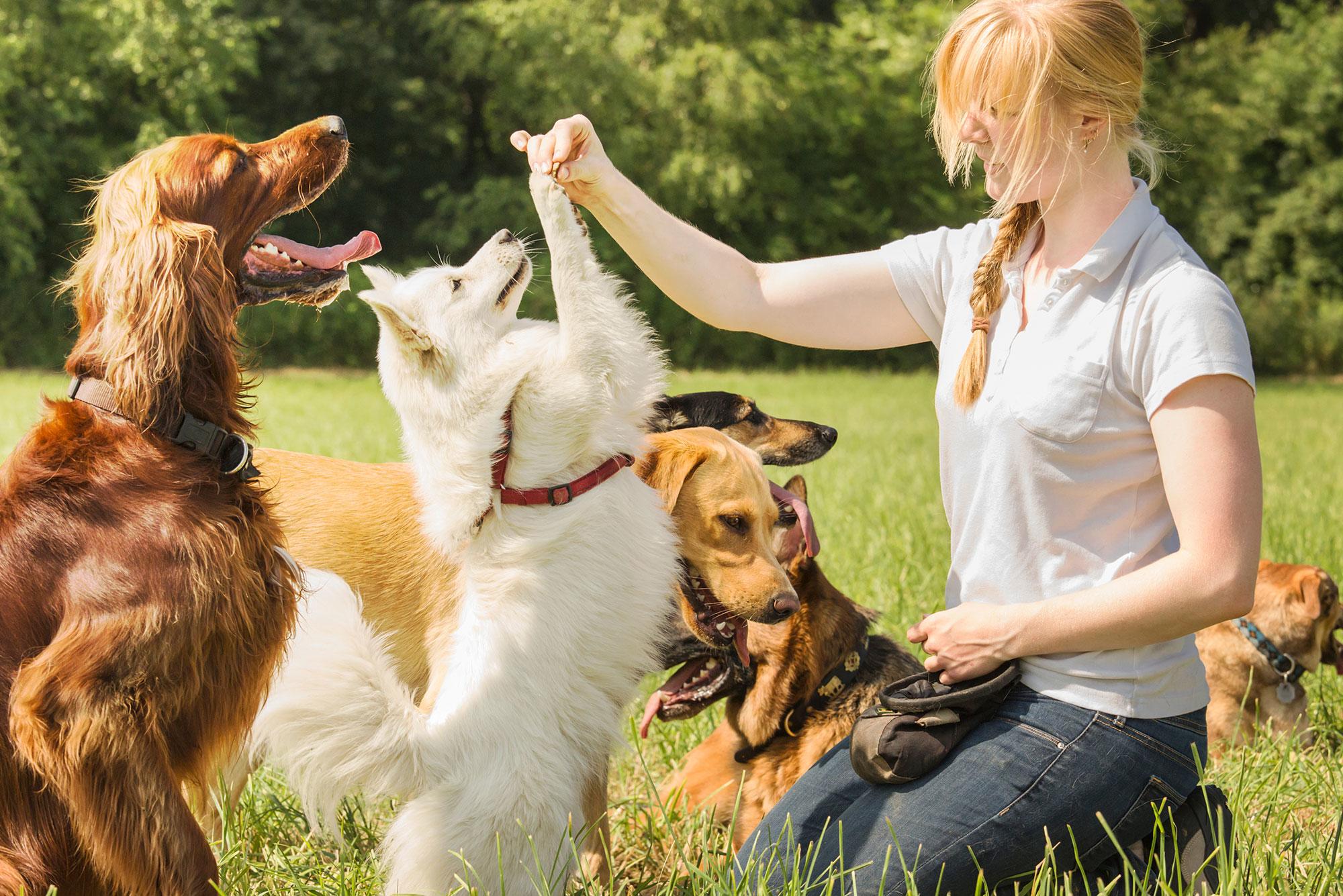
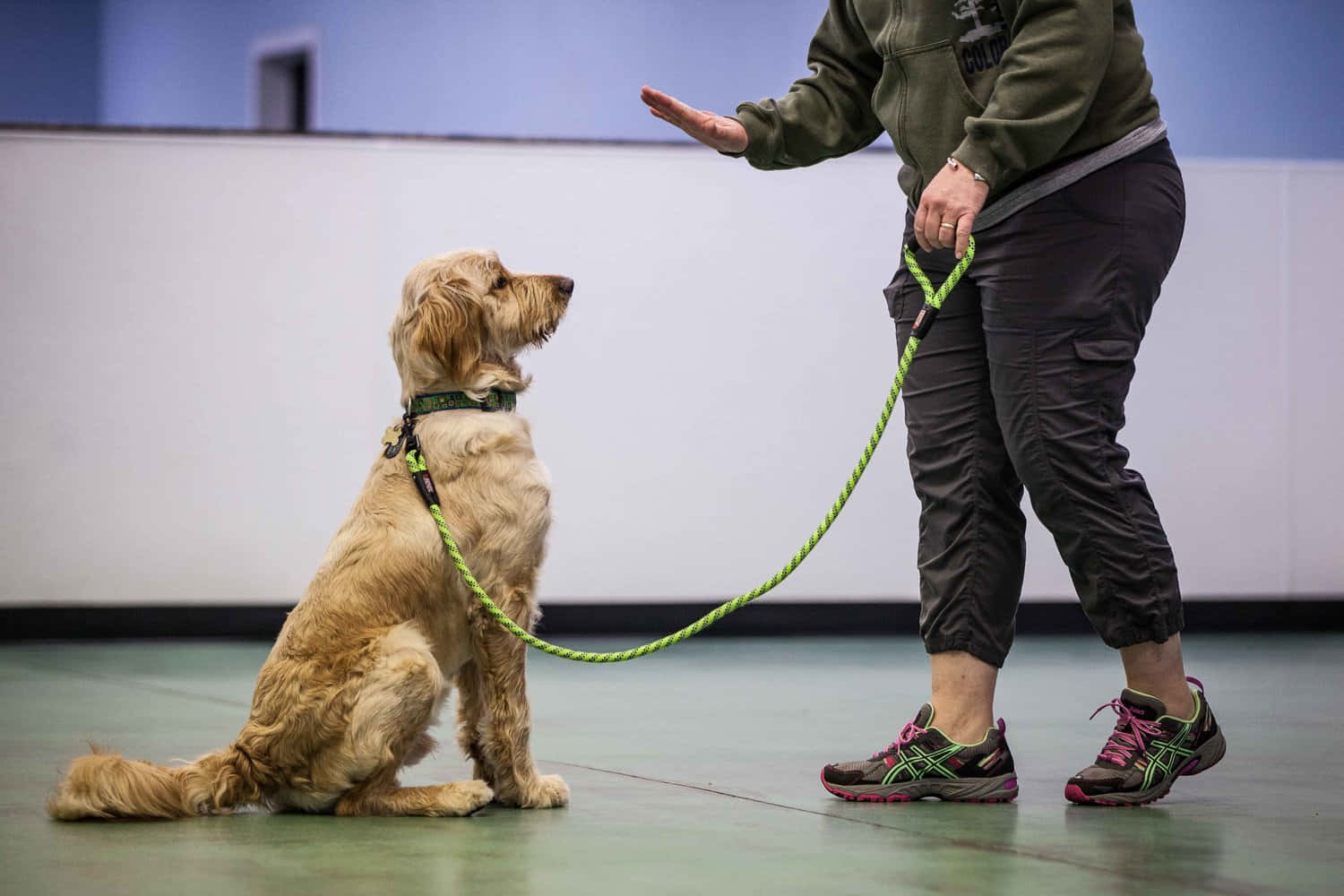
A dog behavioral trainer is a certified professional who evaluates, diagnoses, and modifies complex behavioral problems rather than simply teaching basic obedience commands like sit and stay. This practice relies heavily on behavioral science, specifically operant and classical conditioning, to reshape how an animal reacts to environmental triggers. Unlike basic obedience instructors who focus on manners, behavioral specialists routinely address severe challenges such as separation anxiety, resource guarding, destructive phobias, and inter-dog aggression. Education in animal learning theory allows these practitioners to design structured modification plans tailored to the psychological profile of the individual animal.
The Impact of Behavioral Intervention on Quality of Life
Unresolved stress, fear, and anxiety can profoundly compromise a canine’s physical well-being by chronically elevating stress hormones like cortisol, which impacts immune function and longevity. Structured modification programs help lower baseline stress, allowing animals to navigate their daily environments with confidence and emotional stability. Furthermore, addressing underlying triggers prevents minor nervous habits from escalating into dangerous reactive episodes that threaten family safety or community integration. Consistent guidance transforms unpredictable household friction into a predictable, manageable routine.
Chronic behavioral stress and untreated anxiety can negatively affect a canine’s long-term physical health, immune system, and overall life expectancy. — American Veterinary Medical Association
Implementing Effective, Humane Modification Strategies
Addressing behavioral challenges requires humane, science-based protocols that prioritize positive reinforcement and systematic desensitization over punitive methods. Desensitization involves exposing the animal to a fear-inducing stimulus at a very low intensity—far enough away that the animal remains calm—while gradually increasing exposure over time. Paired closely with counter-conditioning, which changes the animal’s emotional response from fear to positive anticipation through high-value rewards, this approach ensures long-term behavioral change without inducing fear or distress. Consistency across all household members remains paramount, as mixed signals can stall progress.
Best Practices and Common Mistakes in Canine Behavior Modification
Achieving sustainable progress demands patience, clear timing, and an avoidance of outdated dominance-based techniques that rely on intimidation or physical punishment. A common pitfall involves flooding the animal—forcing prolonged exposure to a feared trigger—which routinely backfires by increasing panic and worsening reactivity. Instead, practitioners recommend keeping training sessions short, keeping the animal safely below its stress threshold, and celebrating incremental milestones. Documenting daily triggers in a behavioral journal can help identify underlying patterns that require adjustment during Dog Training sessions.
Positive reinforcement methods create stronger, more reliable behavioral changes in domestic canines while significantly reducing stress-related complications compared to aversive techniques. — American Society for Prevention of Cruelty to Animals
Pet Care & Wellness Overview Table
| Life Stage | Daily Activity Level | Key Nutrition / Care Focus |
|---|---|---|
| Puppy / Kitten | High (frequent short bursts) | High-protein growth diet & early socialization |
| Adult Companion | Moderate (30–60 mins daily) | Balanced maintenance nutrition & dental hygiene |
| Senior Pets | Low to Gentle (mindful walks) | Joint support (Glucosamine) & routine vet checks |
Images References





Breed, Age, and Temperament Considerations
Every canine possesses a unique genetic makeup, developmental history, and personality profile that directly influences how they respond to behavior modification plans. High-drive working breeds often require structured mental outlets to prevent frustration-based behaviors, whereas sensitive companion breeds may need gentler socialization strategies to prevent timidity. Younger puppies experience critical socialization windows where early exposure shapes lifelong resilience, while adult and senior animals require more time to unlearn established habits. Exploring specific characteristics within Dog Breeds helps owners align expectations with natural predispositions.
When to Consult a Veterinarian or Certified Professional
Seeking immediate professional guidance is crucial when dealing with sudden personality shifts, unprovoked aggression, or self-harming behaviors that jeopardize household safety. Because underlying medical issues frequently manifest as behavioral changes, a thorough veterinary examination must rule out hidden pain, neurological disorders, or cognitive dysfunction syndrome before launching an intensive training program. For persistent reactivity, severe separation distress, or intense phobias, partnering with a veterinary behaviorist or certified dog behavioral trainer ensures the animal receives comprehensive, medically informed care that protects both physical health and psychological well-being.
Integrating Professional Guidance into Everyday Care
Sustaining progress achieved through professional behavioral work requires ongoing dedication to environmental management, mental enrichment, and daily routine consistency. Owners can deepen their understanding of canine needs by exploring additional resources dedicated to Dog Behavior and foundational Dog Care principles. Long-term success relies on maintaining clear communication with qualified experts and adapting strategies as the animal matures. Visit PetsAnimalsWorld.com today to discover more expert guides and practical resources designed to support every stage of your companion’s life journey.




