

Finding reliable guidance for canine conduct has become a digital journey for modern pet households seeking daily advice. According to the American Society for Prevention of Cruelty to Animals (ASPCA), understanding canine psychology and learning theory remains essential for establishing strong human-animal bonds and preventing common domestic conflicts. Millions of caretakers turn to video platforms daily to troubleshoot everything from jumping on guests to complex leash reactivity. Yet, navigating digital libraries of animal videos requires careful discernment, as not all published material relies on established animal behavior science or humane, evidence-informed methodologies.
💡 Pet Care Key Takeaways:
- Core Focus: Practical health, nutrition, and wellness guidelines for Dog Behavior Youtube.
- Target Scope: Pet owners, animal caregivers, and veterinary support staff.
- Best Recommendation: Maintain consistent daily routines and consult an accredited veterinarian before introducing major diet or medical changes.
Understanding Dog Behavior YouTube Channels and Creators
Dog behavior YouTube channels encompass a vast collection of digital video resources created by trainers, veterinary behaviorists, and enthusiastic pet owners sharing training tutorials and educational insights. These video platforms allow observers to watch real-time body language, desensitization exercises, and clicker training demonstrations that static text articles might fail to convey clearly. However, the lack of professional regulation on public video platforms means that anyone can publish content regardless of their actual qualifications, education, or adherence to humane training standards. For more related activities, check out our Dog Behavior And Training.
The Behavioral and Emotional Impact of Digital Training Videos
Applying unverified digital training advice directly influences a canine’s emotional well-being, trust levels, and overall behavioral stability within the household. Outdated methodologies—such as alpha rolls, physical corrections, or dominance-based techniques frequently found on older or poorly vetted channels—often elevate fear, increase stress hormones like cortisol, and can inadvertently provoke defensive aggression. Conversely, positive reinforcement techniques demonstrated by qualified professionals foster confidence, lower anxiety, and promote cooperative learning through clear communication and predictable rewards.
Fear and intimidation-based training methods frequently exacerbate canine reactivity and defensive aggression by elevating chronic stress levels. — American Veterinary Society of Animal Behavior
Evaluating and Implementing Online Training Methods Safely
Selecting appropriate digital resources requires looking for creators who hold recognized certifications from reputable bodies such as the Certification Council for Professional Dog Trainers (CCPDT) or who practice as board-certified veterinary behaviorists. Observers should watch for clear explanations of classical conditioning (associating a trigger with something positive) and operant conditioning (modifying actions through consequences) without the use of pain, fear, or startle devices. Testing new techniques should always happen in low-distraction indoor environments before attempting complex exercises in public parks or around high-value triggers.
Avoiding Common Pitfalls When Watching Training Videos
Caretakers must avoid channels that promise instant, overnight fixes for complex behavioral challenges like separation anxiety, resource guarding, or severe aggression. Behavioral modification is a gradual, non-linear process that requires patience, environmental management, and consistent repetition tailored to each unique animal. Another frequent mistake involves ignoring subtle canine stress signals—such as lip licking, yawning, or whale eyes—while watching a demonstration, leading viewers to push an animal past its threshold of emotional tolerance.
Canine behavior modification requires gradual desensitization and counter-conditioning, as quick fixes often suppress symptoms without addressing underlying fear. — American Kennel Club
Pet Care & Wellness Overview Table
| Life Stage | Daily Activity Level | Key Nutrition / Care Focus |
|---|---|---|
| Puppy / Kitten | High (frequent short bursts) | High-protein growth diet & early socialization |
| Adult Companion | Moderate (30–60 mins daily) | Balanced maintenance nutrition & dental hygiene |
| Senior Pets | Low to Gentle (mindful walks) | Joint support (Glucosamine) & routine vet checks |
Images References




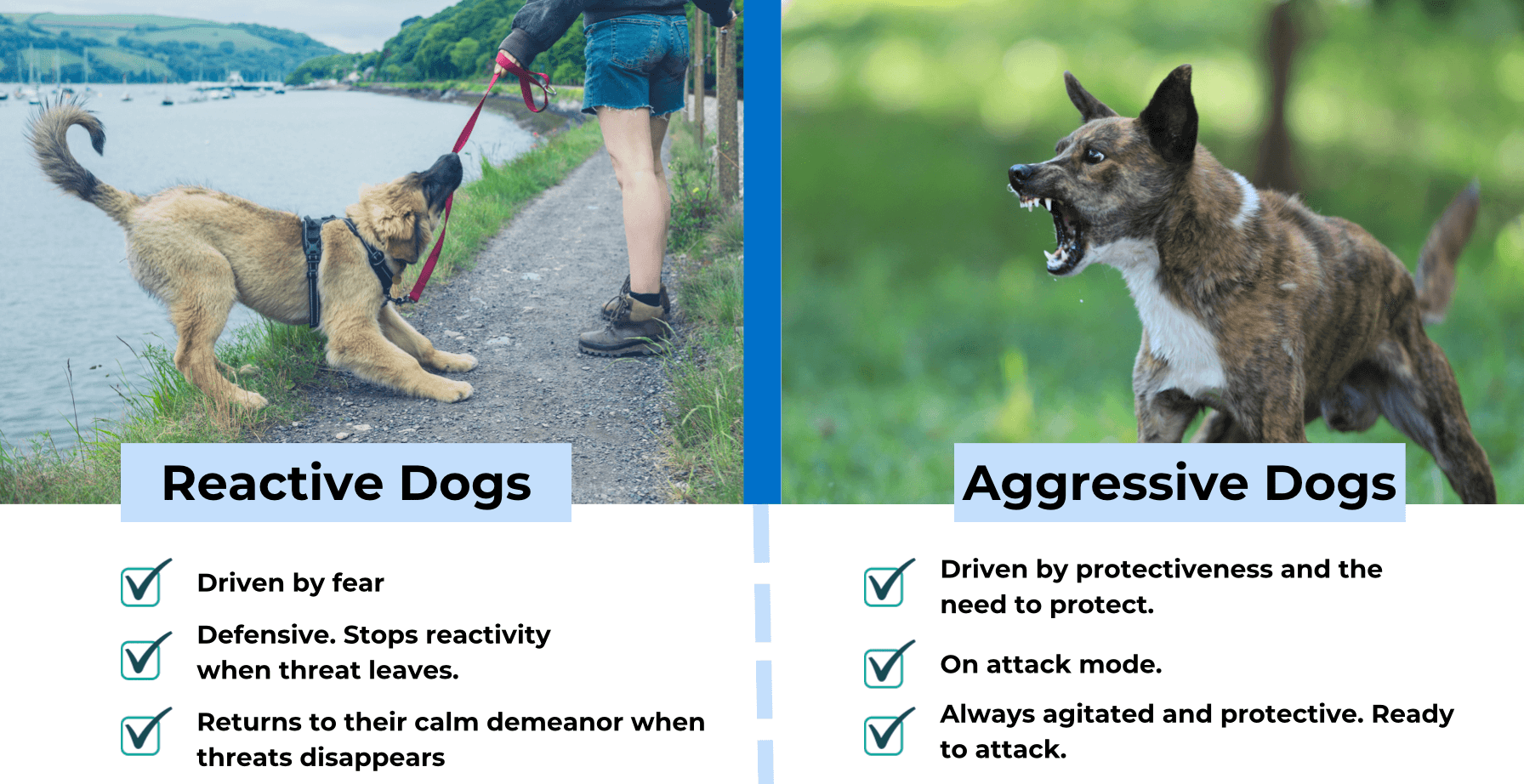

Breed, Age, and Temperament Influences on Video Effectiveness
Every individual dog processes visual stimuli and training cues differently based on inherited breed traits, developmental life stages, and personal temperament. Herding breeds, guardian dogs, and terrier types often possess distinct behavioral predispositions that require tailored outlets rather than a one-size-fits-all approach copied from a general online tutorial. Furthermore, adolescent dogs experiencing hormonal shifts or senior animals dealing with cognitive dysfunction syndrome may react poorly to standard obedience drills shown on video, necessitating customized care strategies.
When to Consult a Qualified Professional Beyond the Screen
Digital videos cannot replace a personalized behavioral assessment conducted by a qualified professional in a controlled environment. Persistent fear, sudden changes in temperament, destructive panic during alone time, or any display of biting require immediate consultation with a licensed veterinarian to rule out underlying medical pain or neurological issues. For advanced behavioral cases, engaging a certified applied animal behaviorist or a veterinary behaviorist ensures the safety of both the household and the animal through scientifically sound, compassionate intervention.
Exploring Comprehensive Canine Resources
Expanding knowledge about canine companionship extends far beyond single video clips into comprehensive study covering Dog Behavior, foundational Dog Training principles, proper Dog Care, and tailored Dog Health maintenance. Caretakers committed to lifelong learning can visit PetsAnimalsWorld.com to discover expert-reviewed articles designed to support every stage of responsible pet ownership.




