
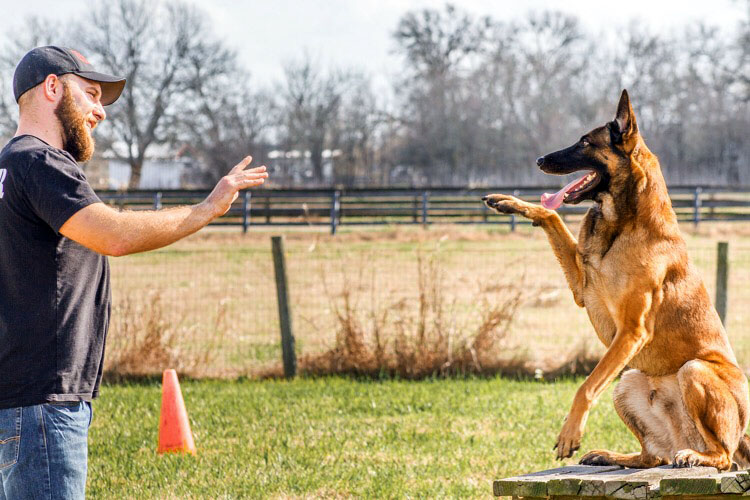
Finding reliable behavioral support for a canine companion remains one of the most proactive steps an owner can take when dealing with unexpected actions, reactivity, or household stress. According to the American Society for the Prevention of Cruelty to Animals (ASPCA), behavioral issues are among the leading reasons owners seek guidance or consider relinquishing pets, highlighting the critical need for accessible, humane intervention. When complex issues arise, seeking out professional coaching helps bridge the communication gap between human and animal.
💡 Pet Care Key Takeaways:
- Core Focus: Practical health, nutrition, and wellness guidelines for Dog Behavioral Trainer Near Me.
- Target Scope: Pet owners, animal caregivers, and veterinary support staff.
- Best Recommendation: Maintain consistent daily routines and consult an accredited veterinarian before introducing major diet or medical changes.
Understanding Professional Canine Behavioral Services
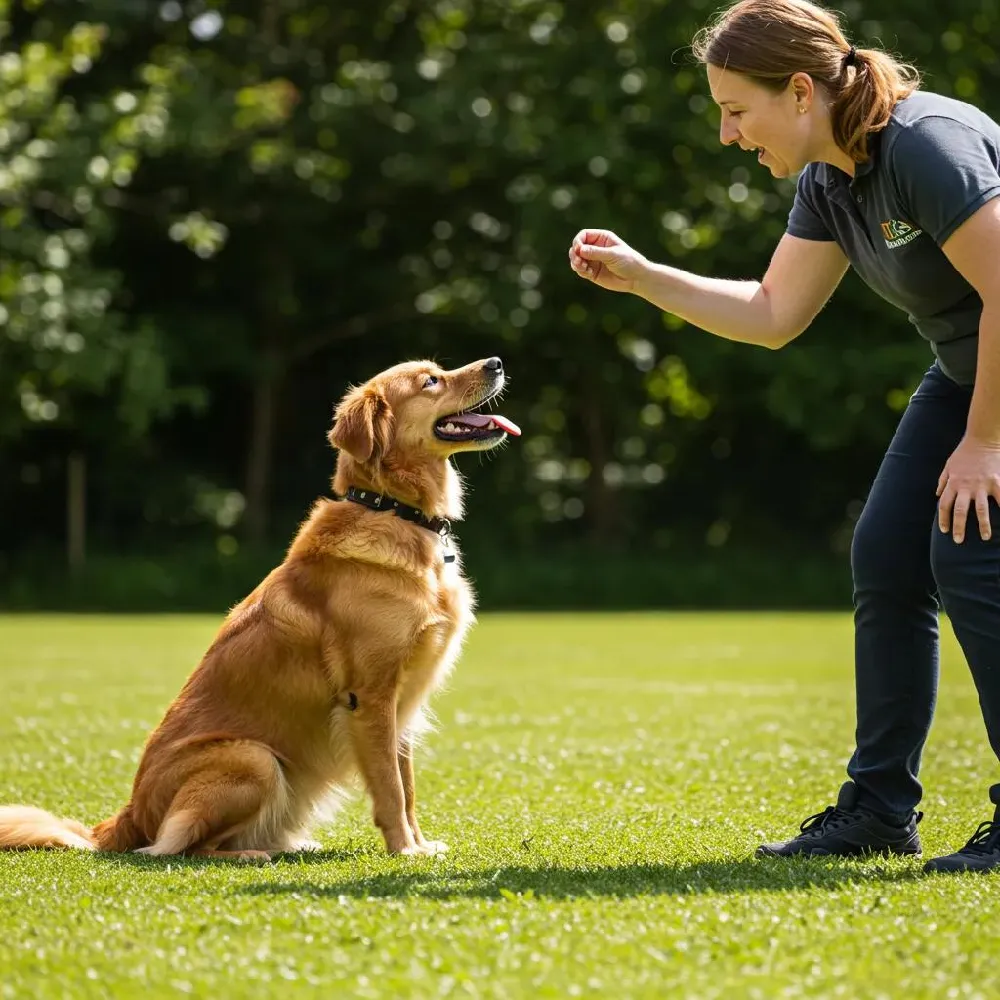
A search for a dog behavioral trainer near me typically directs individuals toward certified professionals who specialize in modifying specific actions through science-based methods rather than simple obedience commands. Unlike general obedience instructors who focus primarily on basic cues like sit, stay, and heel, a behavioral specialist evaluates emotional triggers, environmental stressors, and underlying motivations. Technical interventions rely heavily on positive reinforcement, a methodology centered on rewarding desired behaviors while managing or removing triggers that prompt fear, anxiety, or aggression. These evidence-informed practices ensure that the animal learns to feel safe and confident in challenging situations. For more related activities, check out our Dog Behaviour Before Earthquake.
The Impact of Behavioral Support on Canine Well-Being
Addressing persistent stress, fear, or reactivity through structured behavioral intervention significantly improves overall quality of life and strengthens the human-animal bond. Chronic anxiety can trigger physiological stress responses that affect physical health, sleep patterns, and daily comfort. By introducing professional strategies that replace reactive habits with calm coping mechanisms, households experience a profound reduction in daily tension. Furthermore, understanding the root causes of specific habits allows families to create secure environments where dogs can thrive without constant confusion or distress.
Behavioral modification relies on systematic desensitization and counter-conditioning to alter emotional responses to specific environmental triggers. — American Veterinary Medical Association
Evaluating Options for Local Behavioral Coaching
Selecting the right professional requires careful evaluation of credentials, methodology, and alignment with modern, humane training standards. Ethical practitioners avoid punitive, intimidation-based, or dominance-focused techniques, as these approaches frequently exacerbate fear and defensive reactivity. Instead, owners should look for credentials from recognized governing bodies, such as the Certification Council for Professional Dog Trainers (CCPDT) or the International Association of Animal Behavior Consultants (IAABC). Investigating local options ensures that the chosen professional possesses the specialized knowledge required to address complex behavioral concerns safely and effectively.
Best Practices and Common Missteps in Behavior Modification
Successful behavioral modification requires consistency, patience, and realistic expectations regarding the time needed to see lasting change. A common misstep involves expecting immediate results or punishing an animal for defensive actions rooted in fear, which often worsens the underlying anxiety. Instead, best practices emphasize managing the environment to prevent rehearsal of unwanted habits while systematically teaching alternative responses. Owners should maintain clear communication with their chosen specialist, track progress diligently, and ensure that all household members adhere to the established training protocol.
Punishment-based training techniques carry a documented risk of increasing stress-related aggression and eroding trust between dogs and handlers. — American Society for the Prevention of Cruelty to Animals
Pet Care & Wellness Overview Table
| Life Stage | Daily Activity Level | Key Nutrition / Care Focus |
|---|---|---|
| Puppy / Kitten | High (frequent short bursts) | High-protein growth diet & early socialization |
| Adult Companion | Moderate (30–60 mins daily) | Balanced maintenance nutrition & dental hygiene |
| Senior Pets | Low to Gentle (mindful walks) | Joint support (Glucosamine) & routine vet checks |
Images References


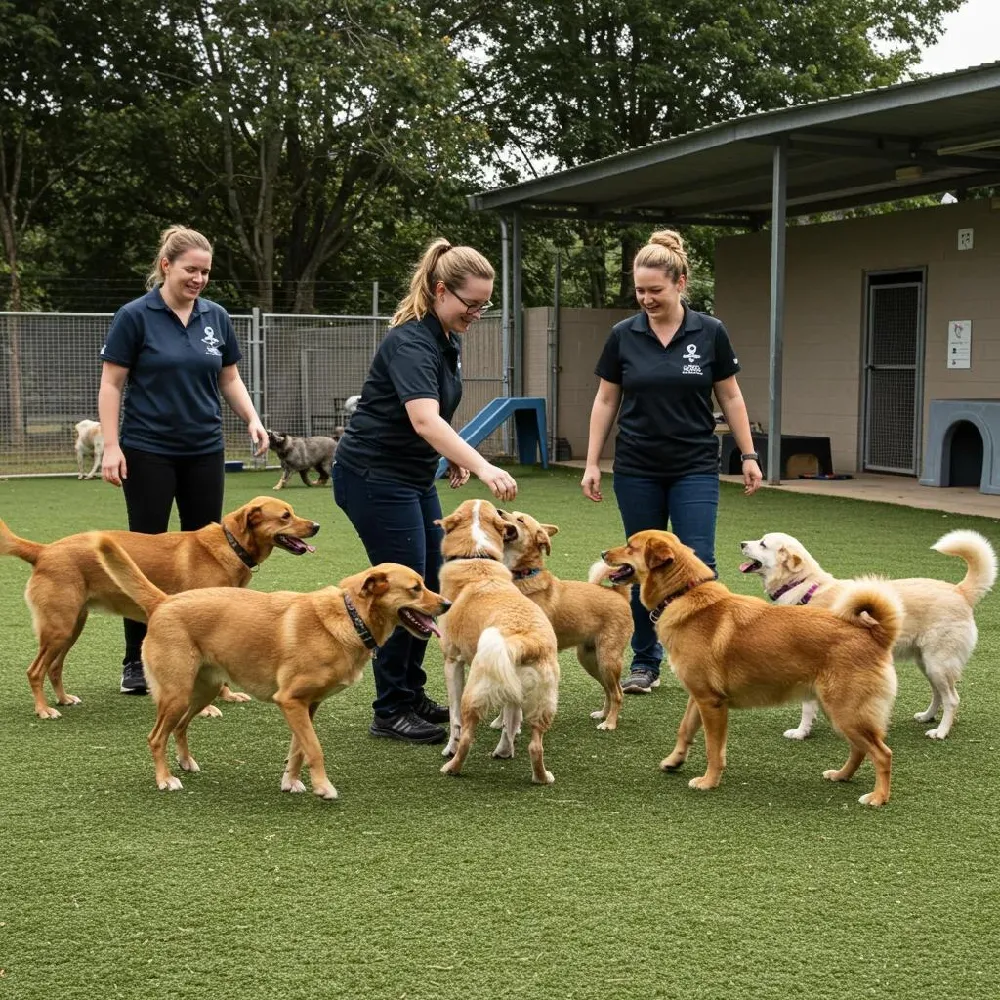


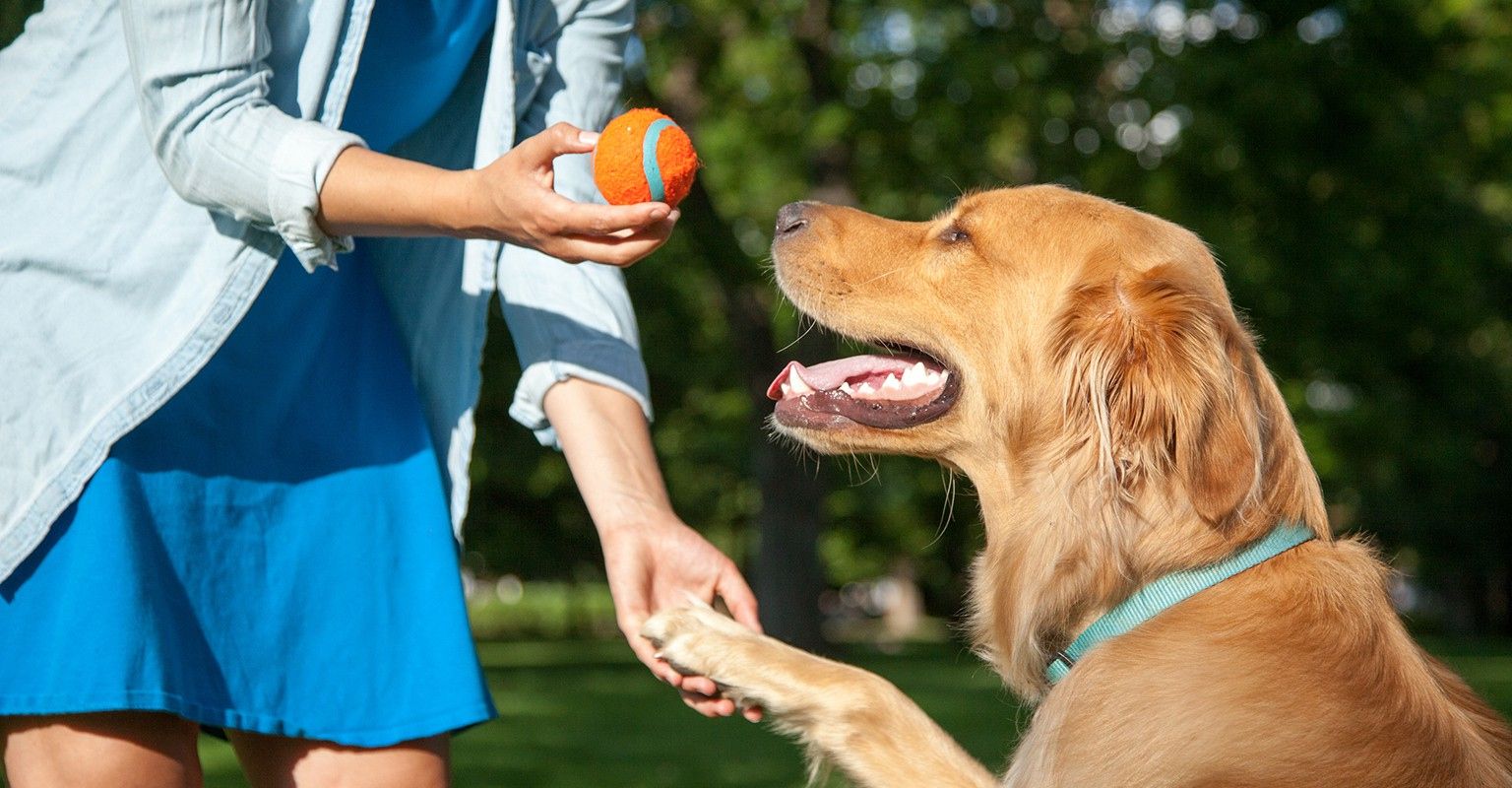
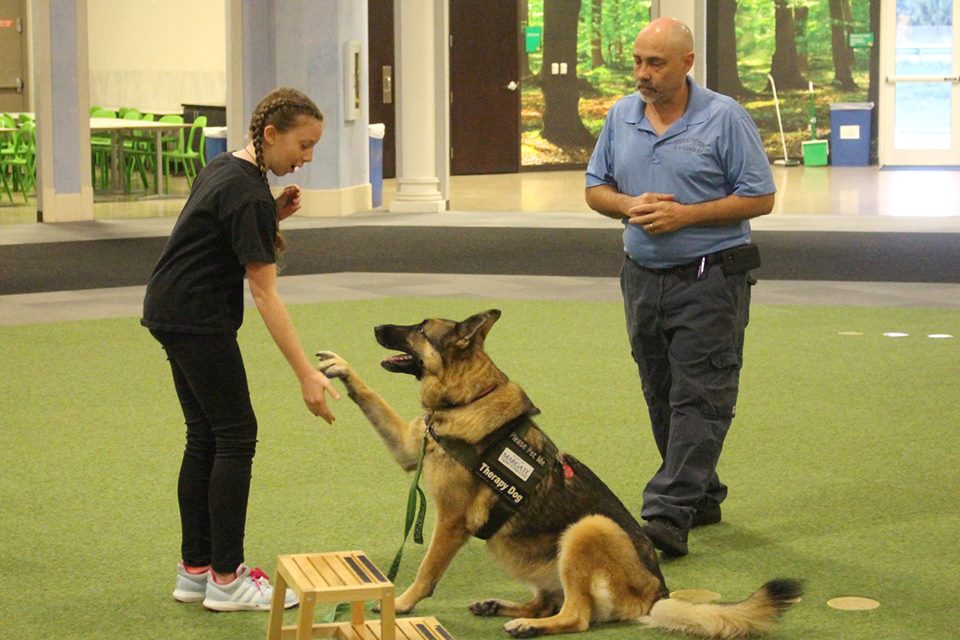

Individual Factors Influencing Behavioral Interventions
Every dog responds to behavioral coaching differently based on distinct traits such as breed history, age, individual temperament, and socialization background. Working dogs bred for specific tasks may possess high energy levels or intense prey drives that require specialized outlets, whereas companion breeds might display distinct sensitivities to household changes. Additionally, senior dogs undergoing sudden behavioral shifts often require medical screening, as cognitive decline or age-related pain frequently manifests as altered conduct. Recognizing these individual variables ensures that training plans remain tailored to the unique physical and psychological profile of the animal.
When to Consult a Veterinary Professional or Specialist
Sudden or severe behavioral shifts, profound fear, unprovoked aggression, or signs of physical distress always warrant an immediate veterinary examination to rule out underlying medical conditions. Pain, neurological disorders, sensory loss, and systemic illness frequently alter a dog’s behavior long before obvious physical symptoms appear. For severe aggression, intense separation anxiety, or deep-seated phobias, consulting a board-certified veterinary behaviorist (DACVB) provides the highest level of clinical expertise. Exploring resources on Dog Behavior and Dog Health can help owners better understand the connection between physical wellness and everyday conduct.
Partnering With Local Professionals for Lasting Success
Investing time in finding qualified behavioral support fosters a harmonious living environment built on mutual trust, clear communication, and compassionate care. Owners navigating these challenges are encouraged to explore comprehensive resources available across Dog Training and Dog Care to deepen their understanding of canine needs. Discover more expert guidance and practical insights by visiting PetsAnimalsWorld.com today.




