
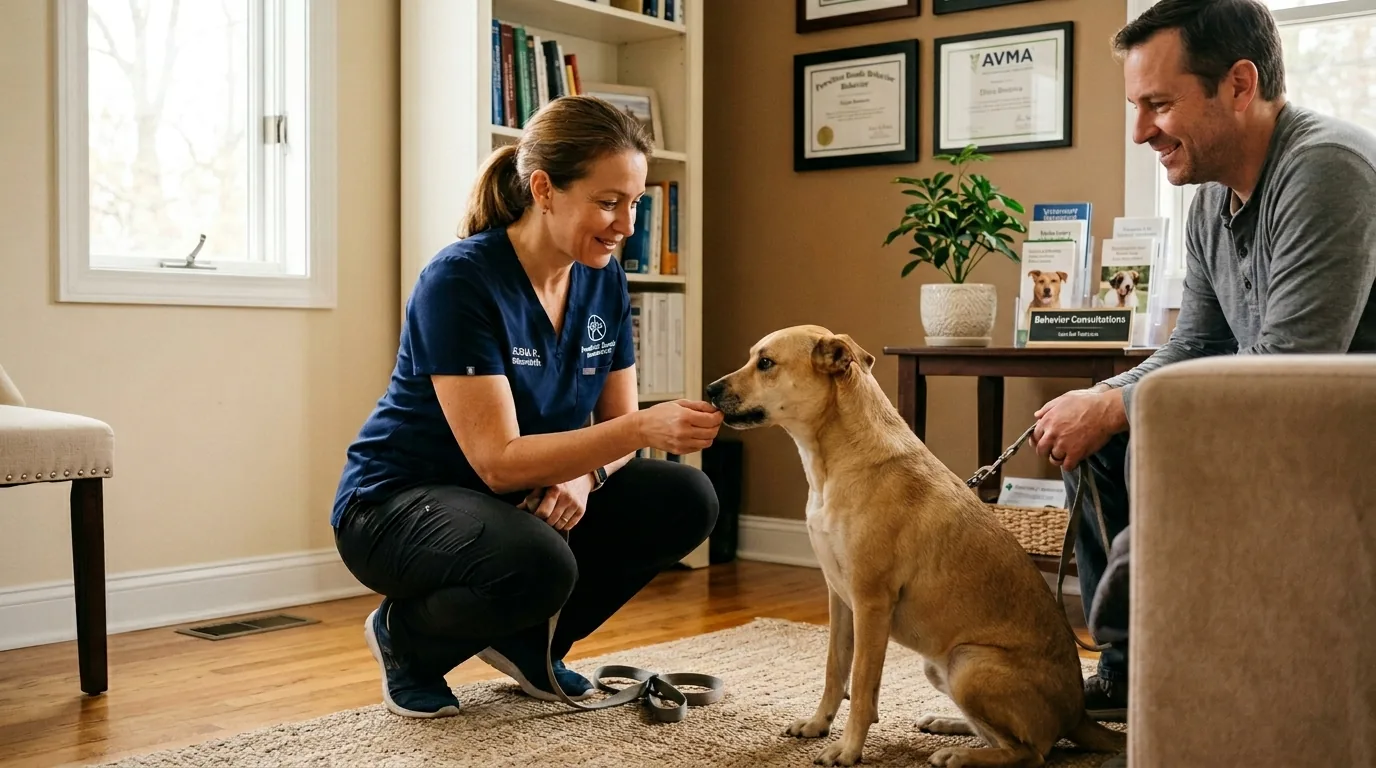
Understanding the Role of a Professional Dog Behaviorist in the Louisville Area
Navigating canine behavioral challenges requires patience, structured guidance, and a thorough understanding of domestic animal psychology. According to the American Society for Prevention of Cruelty to Animals (ASPCA), behavioral issues are among the primary reasons owners seek guidance or consider relinquishing pets, highlighting the necessity of professional support. Families seeking a qualified dog behaviorist Louisville KY often encounter a diverse landscape of trainers, consultants, and clinical specialists. Recognizing the distinctions among these professional designations helps guardians make informed decisions that promote safe, humane, and effective learning environments for their canine companions.
💡 Pet Care Key Takeaways:
- Core Focus: Practical health, nutrition, and wellness guidelines for Dog Behaviorist Louisville Ky.
- Target Scope: Pet owners, animal caregivers, and veterinary support staff.
- Best Recommendation: Maintain consistent daily routines and consult an accredited veterinarian before introducing major diet or medical changes.
Defining the Scope and Practice of Applied Animal Behavior
Applied animal behavior focuses on modifying observable actions by examining underlying emotional triggers, environmental antecedents, and biological motivations. Unlike basic obedience instruction that teaches commands like sit, stay, or come, behavioral consulting typically addresses complex issues such as severe fear responses, separation-related distress, resource guarding, and intraspecific or interspecies aggression. In the Bluegrass region, qualified practitioners utilize positive reinforcement methodologies rooted in learning theory and behavioral science. These professionals prioritize low-stress handling and humane modification techniques, explicitly avoiding outdated dominance models or punitive corrections that can escalate fear and defensive reactions in dogs. For more related activities, check out our Dog Behavior Guarding.
The Impact of Environment and Early Socialization on Behavioral Health
Environmental factors, early life experiences, and daily routines profoundly shape canine mental well-being and emotional stability. Dogs exposed to varied, positive social stimuli during developmental windows generally exhibit greater resilience when encountering novel situations later in life. Conversely, sensory deprivation, chronic stress, or traumatic incidents can lead to generalized anxiety or hyper-reactivity. Addressing these multifaceted challenges involves carefully evaluating daily routines, spatial layouts within the home, exercise routines, and mental enrichment opportunities to ensure the animal’s psychological needs are fully met.
Behavioral problems in dogs are frequently rooted in unmet physical and mental needs, underlying medical conditions, or a lack of positive early socialization. — American Veterinary Medical Association
Implementing Humane Strategies for Behavioral Modification
Successful behavioral modification relies on systematic desensitization and counter-conditioning to alter an animal’s emotional response to specific triggers. Systematic desensitization involves gradual, controlled exposure to a stimulus at a distance or intensity low enough to prevent fear or reactivity. Counter-conditioning pairs that same trigger with a highly valued reward, shifting the underlying emotional state from apprehension to anticipation of positive outcomes. Guardians working alongside a professional behaviorist learn to read subtle canine body language, including lip licking, yawning, stiffening posture, and whale eye, which serve as early indicators of discomfort before overt reactions occur.
Best Practices and Common Pitfalls in Canine Behavior Management
Consistency, timing, and precise management of the dog’s environment form the cornerstone of sustainable behavioral progress. One frequent pitfall involves attempting to flood the animal by exposing them to overwhelming triggers all at once, which typically intensifies fear and damages trust between the pet and the guardian. Another common misstep is accidental reinforcement of unwanted habits, such as giving attention or treats when a dog vocalizes for demand. Establishing clear boundaries, utilizing baby gates or management tethers to prevent rehearsal of undesirable actions, and maintaining realistic timelines are essential practices that support long-term success.
Punishment-based training methods can suppress warning behaviors like growling without addressing the underlying fear or aggression, increasing the risk of sudden bites. — ASPCA
Pet Care & Wellness Overview Table
| Life Stage | Daily Activity Level | Key Nutrition / Care Focus |
|---|---|---|
| Puppy / Kitten | High (frequent short bursts) | High-protein growth diet & early socialization |
| Adult Companion | Moderate (30–60 mins daily) | Balanced maintenance nutrition & dental hygiene |
| Senior Pets | Low to Gentle (mindful walks) | Joint support (Glucosamine) & routine vet checks |
Images References



Breed, Age, and Individual Temperament Considerations
Every dog is an individual shaped by a unique combination of genetic predispositions, life history, and developmental milestones. While breed heritage provides insight into working drives, energy levels, and traditional roles, individual temperament varies widely within any specific breed group. Senior dogs may experience cognitive decline or age-related sensory loss that manifests as sudden behavioral shifts, confusion, or increased irritability. Puppies and adolescents undergo critical hormonal and neurological changes that require adaptable management strategies to support healthy emotional maturation without setting unrealistic expectations for impulse control.
When to Consult a Veterinarian or Certified Behavior Professional
Sudden behavioral shifts, persistent fear, or unprovoked aggression warrant an immediate veterinary examination to rule out underlying medical pain, neurological conditions, or systemic illness. Many behavioral problems are secondary symptoms of physical discomfort, such as dental pain, orthopedic injuries, or gastrointestinal distress. When seeking specialized assistance, guardians should verify professional credentials, certifications from reputable organizations such as the Certification Council for Professional Dog Trainers (CCPDT) or the International Association of Animal Behavior Consultants (IAABC), and commitment to humane, science-based methodologies.
Exploring Comprehensive Resources for Lifelong Canine Care
Supporting a dog through behavioral challenges requires ongoing education, dedication, and access to reliable, evidence-based resources. Guardians are encouraged to explore specialized guides covering Dog Behavior, foundational Dog Training principles, and general Dog Care practices to ensure a harmonious relationship with their animal companions. For further articles, insights, and comprehensive pet guidance, visit PetsAnimalsWorld.com today.




