

Understanding canine conduct is an essential part of responsible pet guardianship, particularly in densely populated regions where environmental stressors are abundant. According to the American Society for Prevention of Cruelty to Animals (ASPCA), behavioral issues are among the primary reasons companion animals are relinquished to shelters, making early intervention and education vital. For residents seeking professional support, finding a qualified dog behaviorist Long Island offers a structured pathway to resolve complex issues safely. Dogs often communicate discomfort through subtle body language long before overt reactivity or distress manifests.
💡 Pet Care Key Takeaways:
- Core Focus: Practical health, nutrition, and wellness guidelines for Dog Behaviorist Long Island.
- Target Scope: Pet owners, animal caregivers, and veterinary support staff.
- Best Recommendation: Maintain consistent daily routines and consult an accredited veterinarian before introducing major diet or medical changes.
Defining Professional Behavioral Support Services
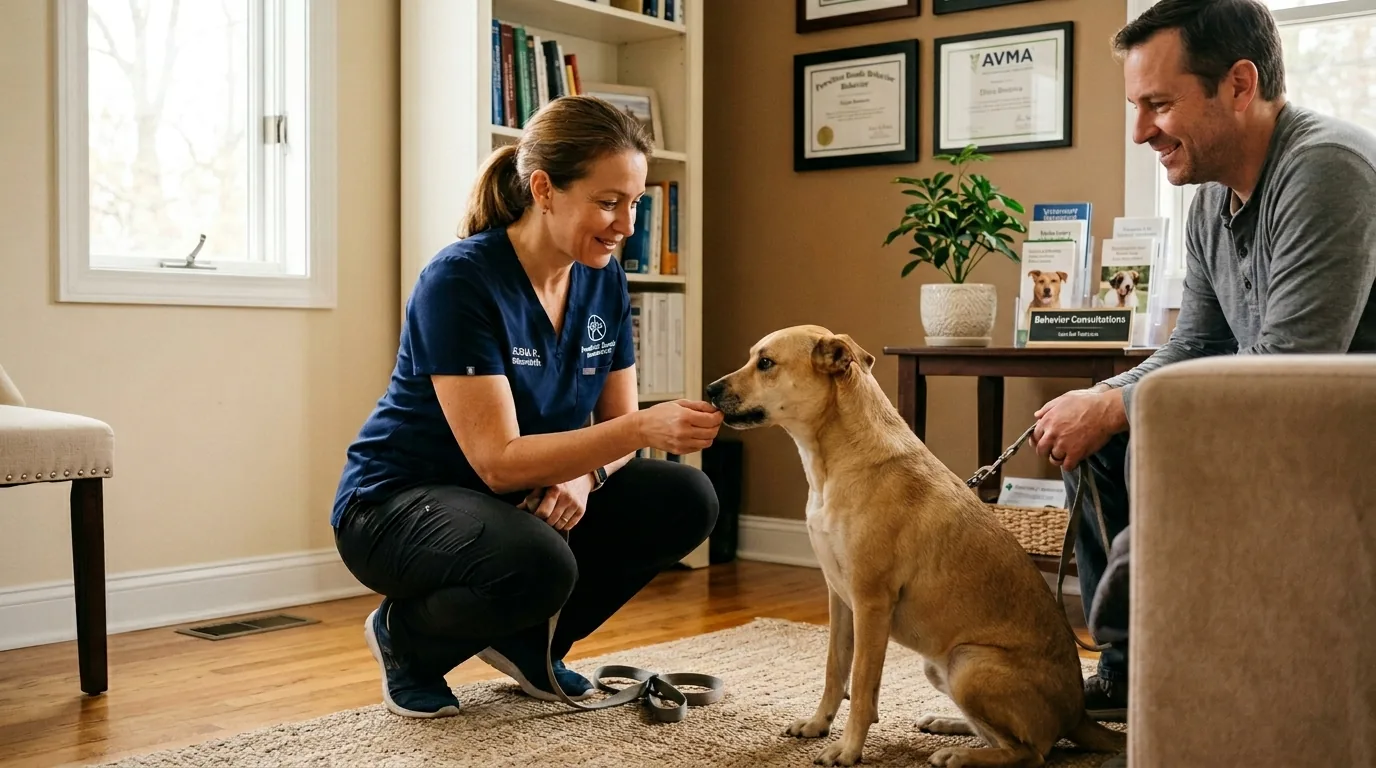
A dog behaviorist Long Island professional focuses on modifying maladaptive patterns through evidence-based, humane methodologies rather than outdated dominance theories. Unlike basic obedience instructors who teach fundamental cues like sit and stay, certified behaviorists specialize in addressing deep-seated psychological concerns such as severe anxiety, fear-based aggression, and compulsive disorders. Applied animal behavior science utilizes classical and operant conditioning principles to modify emotional responses and shape alternative coping mechanisms. This specialized practice bridges the gap between everyday pet training and clinical veterinary behavioral medicine. For more related activities, check out our Dog Behavior And Training.
Understanding the Root Causes of Canine Stress
Environmental triggers, genetic predisposition, and early socialization deficits heavily influence why domestic dogs develop problematic behaviors. When local households experience disruptive barking, leash reactivity, or destructive chewing, identifying the underlying motivation—whether fear, boredom, or medical discomfort—dictates the entire intervention strategy. Chronic stress elevates cortisol levels, which impairs learning capacity and heightens sensitivity to everyday stimuli. Comprehensive support programs evaluate the entire lifestyle of the animal to ensure physical, mental, and social needs are thoroughly satisfied.
Behavioral issues in companion animals are frequently linked to unmet environmental enrichment needs and underlying stress — — American Veterinary Medical Association
Implementing Humane Modification Strategies
Successful behavioral modification relies on systematic desensitization and counter-conditioning to alter how an animal perceives frightening or arousing triggers. Systematic desensitization involves exposing the dog to a stimulus at a level well below their threshold of reaction, gradually increasing intensity over time while pairing the experience with high-value positive reinforcement. This approach ensures that learning occurs in a low-stress state, fostering long-term behavioral stability without relying on fear or intimidation. Consistency among all household members remains paramount during this process, as mixed signals can stall progress.
Best Practices and Common Pitfalls in Behavior Modification
Avoiding punitive corrections is critical, as punishment often suppresses warning signals like growling without addressing the underlying emotional driver, potentially increasing the risk of sudden bites. Establishing predictable routines provides psychological security, helping animals anticipate daily events and reduce anticipatory anxiety. Owners should document behavioral triggers meticulously, tracking time, environment, and specific reactions to share with a specialist. Patience is required, as true behavioral transformation involves rewiring neural pathways and cannot be rushed through quick-fix methods.
Positive reinforcement training methods are proven to be more effective and less likely to cause fear or aggression than aversive techniques — — American College of Veterinary Behaviorists
Pet Care & Wellness Overview Table
| Life Stage | Daily Activity Level | Key Nutrition / Care Focus |
|---|---|---|
| Puppy / Kitten | High (frequent short bursts) | High-protein growth diet & early socialization |
| Adult Companion | Moderate (30–60 mins daily) | Balanced maintenance nutrition & dental hygiene |
| Senior Pets | Low to Gentle (mindful walks) | Joint support (Glucosamine) & routine vet checks |
Images References




Breed, Age, and Environmental Considerations
Individual temperament, life stage, and breed-specific traits heavily shape how a dog reacts to suburban and urban environments found throughout the region. Working and herding breeds, for instance, possess high cognitive and physical exertion requirements that, if unfulfilled, easily manifest as neurotic behaviors or territorial guarding. Adolescent dogs experience hormonal surges and developmental fear periods that require careful management and socialization. Tailoring expectations to match the biological reality of the specific individual prevents frustration and supports harmonious coexistence.
When to Consult a Veterinary Professional or Specialist
Persistent behavioral changes, sudden reactivity, or signs of intense distress warrant immediate professional evaluation by a veterinarian to rule out underlying medical conditions. Pain, neurological disorders, and endocrine imbalances frequently present as behavioral anomalies, requiring veterinary diagnostics before any training protocol can succeed safely. For severe aggression, self-injurious actions, or generalized panic, seeking guidance from a board-certified veterinary behaviorist or a certified applied animal behaviorist ensures the highest standard of care and safety for both the animal and the public.
Supporting Lifelong Wellness Through Proper Guidance
Investing time in understanding canine psychology enriches the human-animal bond and ensures a peaceful household environment. Readers can explore valuable resources on Dog Behavior and Dog Training to deepen their knowledge of positive management techniques. Additional insights into daily management can be found within sections dedicated to Dog Care and Dog Health. Visit PetsAnimalsWorld.com for comprehensive guidance on nurturing a well-adjusted, confident companion.




