

Addressing canine behavioral challenges within an urban environment like Queens requires specialized knowledge, patience, and a structured understanding of domestic animal psychology. According to the American Society for Prevention of Cruelty to Animals (ASPCA), behavioral issues are among the primary reasons companion animals are relinquished to shelters, making early and humane intervention essential for keeping pets in their homes. Urban settings introduce unique environmental stimuli, ranging from loud street traffic to close living quarters, which can heavily influence a dog’s emotional state. Navigating these challenges successfully often involves seeking out qualified professionals who understand both canine ethology—the scientific study of animal behavior—and the realities of city living.
💡 Pet Care Key Takeaways:
- Core Focus: Practical health, nutrition, and wellness guidelines for Dog Behaviorist Queens.
- Target Scope: Pet owners, animal caregivers, and veterinary support staff.
- Best Recommendation: Maintain consistent daily routines and consult an accredited veterinarian before introducing major diet or medical changes.
Understanding the Role of Specialized Dog Behaviorists
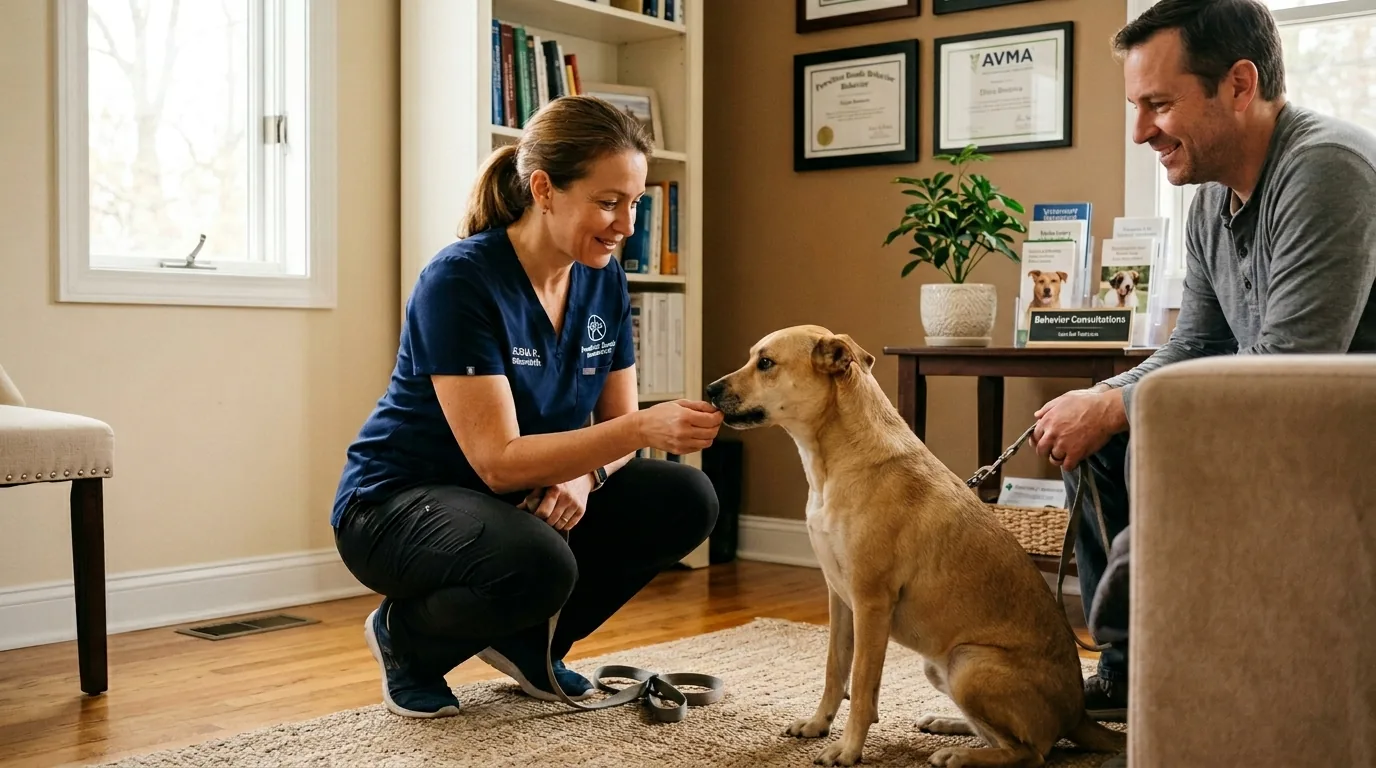
Dog behaviorist queens professionals specialize in assessing, diagnosing, and modifying complex behavioral concerns that extend beyond basic obedience training. While standard trainers generally focus on teaching basic cues like sit, stay, and loose-leash walking, applied behaviorists delve into the underlying emotional triggers of unwanted actions, such as fear, anxiety, territorial aggression, or compulsive disorders. These practitioners utilize the principles of learning theory, focusing on positive reinforcement to modify emotional responses rather than suppressing symptoms through punishment. Working with a qualified professional ensures that the root cause of distress is addressed, promoting long-term psychological well-being for the animal.
The Direct Impact of Environment on Canine Behavior
Environmental stressors play a massive role in shaping canine conduct, particularly in densely populated metropolitan areas where sensory overload is a daily occurrence. Dogs navigating crowded sidewalks, encountering unexpected loud noises, and sharing tight apartment buildings frequently exhibit signs of chronic stress, which can manifest as reactivity, excessive vocalization, or destructive chewing. Recognizing these environmental pressures allows pet owners to proactively manage their surroundings and reduce triggers before a behavioral crisis occurs. Comprehensive guidance on managing these challenges is readily available through resources focused on Dog Behavior and environmental enrichment.
Behavioral modifications that rely on positive reinforcement are proven to build stronger communication channels and trust between humans and companion animals. — American Veterinary Medical Association
Implementing Humane Strategies for Behavioral Improvement
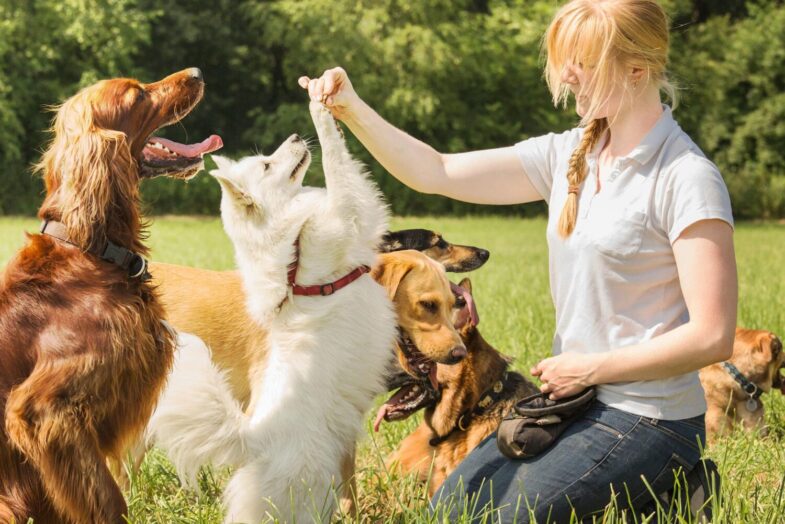
Addressing persistent behavioral challenges requires a systematic approach rooted in desensitization—gradually exposing a dog to a feared or arousing stimulus at a low intensity—and counter-conditioning, which changes the animal’s emotional reaction to that stimulus. Owners must avoid punitive, intimidation-based, or dominance-focused methods, as these outdated strategies often increase fear, elevate stress hormones, and escalate defensive aggression. Instead, consistent routines, clear communication, and reward-based management create a stable framework where animals feel safe learning new responses. For deeper insights into structured, humane methods, exploring specialized guides on Dog Training can help owners build effective, lifelong habits.
Best Practices and Common Pitfalls in Urban Behavior Modification
Consistency and patience remain the cornerstones of successful behavior modification, yet many well-meaning owners inadvertently sabotage progress by rushing exposure or expecting immediate transformations. A common mistake involves flooding the dog with overwhelming triggers—such as taking a reactive dog directly into a packed street festival—which only reinforces panic and sets back training milestones. Establishing predictable daily routines, respecting an individual dog’s threshold limits, and celebrating incremental progress yield much more sustainable outcomes. Furthermore, supporting overall wellness through proper nutrition and physical care, as outlined in articles on Dog Care, ensures that physical discomfort never masks or exacerbates behavioral symptoms.
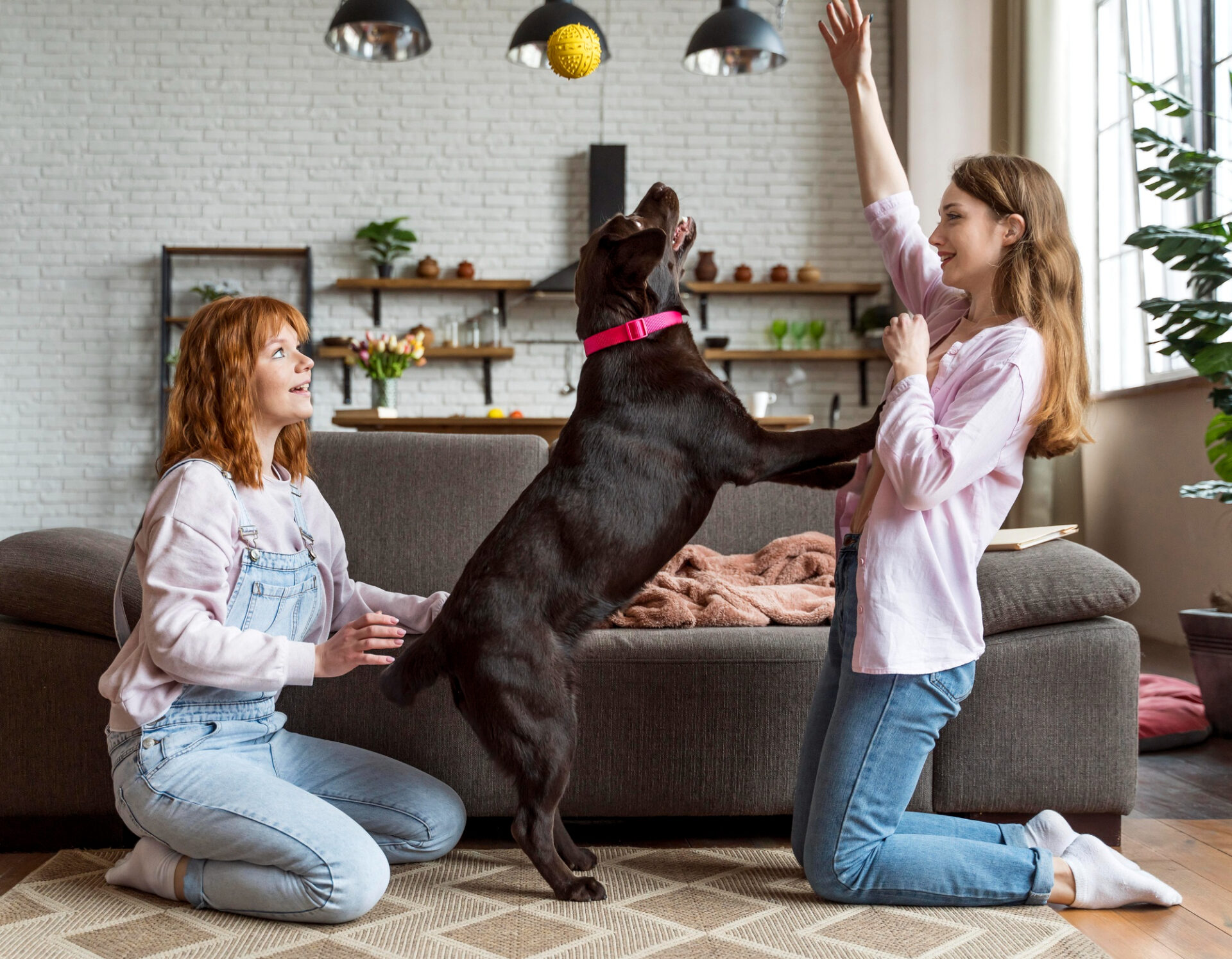
Environmental enrichment and structured mental stimulation are critical components in preventing boredom-related destructive behaviors in indoor pets. — American Kennel Club
Pet Care & Wellness Overview Table
| Life Stage | Daily Activity Level | Key Nutrition / Care Focus |
|---|---|---|
| Puppy / Kitten | High (frequent short bursts) | High-protein growth diet & early socialization |
| Adult Companion | Moderate (30–60 mins daily) | Balanced maintenance nutrition & dental hygiene |
| Senior Pets | Low to Gentle (mindful walks) | Joint support (Glucosamine) & routine vet checks |
Images References






Individual Variances in Breed, Age, and Temperament
Every dog is an individual shaped by a unique combination of genetic predispositions, developmental history, and daily experiences, meaning behavior modification plans must be tailored rather than generalized. Herding breeds, for instance, may attempt to control movement in urban environments by nipping at heels or chasing bicycles, while guardian breeds might exhibit heightened wariness toward strangers in shared apartment hallways. Age also dictates expectations, as developing puppies possess different behavioral capacities and socialization windows compared to senior dogs experiencing cognitive decline. Understanding these inherent breed traits and life stages prevents unrealistic expectations and guides appropriate management strategies.
Knowing When to Consult a Veterinarian or Certified Professional
Severe or sudden behavioral shifts, such as uncharacteristic aggression, extreme lethargy, or repetitive vocalizing, often signal an underlying medical condition rather than a simple training hurdle. Pain, neurological disorders, cognitive dysfunction, and sensory impairments can profoundly alter a dog’s temperament and make them reactive or defensive. Pet owners should promptly schedule a comprehensive physical examination with a veterinarian to rule out medical contributors before initiating an intensive behavioral modification program. For persistent anxiety, phobias, or aggressive displays, partnering with a board-certified veterinary behaviorist or an appropriately certified professional ensures the implementation of a safe, medically sound, and scientifically validated treatment plan.
Building a Balanced Lifestyle for Your Canine Companion
Creating a harmonious environment for a companion animal in a bustling city involves continuous learning, empathetic observation, and a commitment to positive reinforcement practices. By addressing environmental stressors, respecting individual breed needs, and seeking qualified expert guidance when challenges arise, owners can foster a resilient and confident companion. Discover more helpful resources, expert tips, and guidance across all topics by visiting PetsAnimalsWorld.com and exploring specialized categories dedicated to Dog Health.




