

Understanding the Role of a Veterinary Behaviorist in Canine Wellness
Addressing complex behavioral challenges in domestic canines frequently requires specialized expertise that extends beyond standard obedience instruction. According to the American Veterinary Medical Association, behavioral problems are among the leading reasons animals are relinquished to shelters, making early and accurate intervention vital for preserving the human-animal bond. When household pets display severe reactivity, profound anxiety, or compulsive habits, standard training methods often fall short because they fail to address underlying medical or neurological contributors. This realization has elevated the importance of advanced veterinary behavioral medicine within modern pet care.
💡 Pet Care Key Takeaways:
- Core Focus: Practical health, nutrition, and wellness guidelines for Dog Behaviorist Vet.
- Target Scope: Pet owners, animal caregivers, and veterinary support staff.
- Best Recommendation: Maintain consistent daily routines and consult an accredited veterinarian before introducing major diet or medical changes.
Defining the Specialized Scope of a Dog Behaviorist Vet
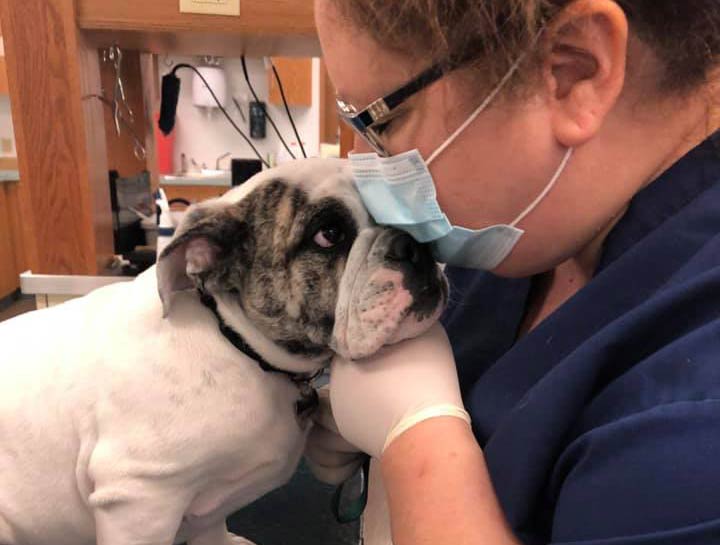
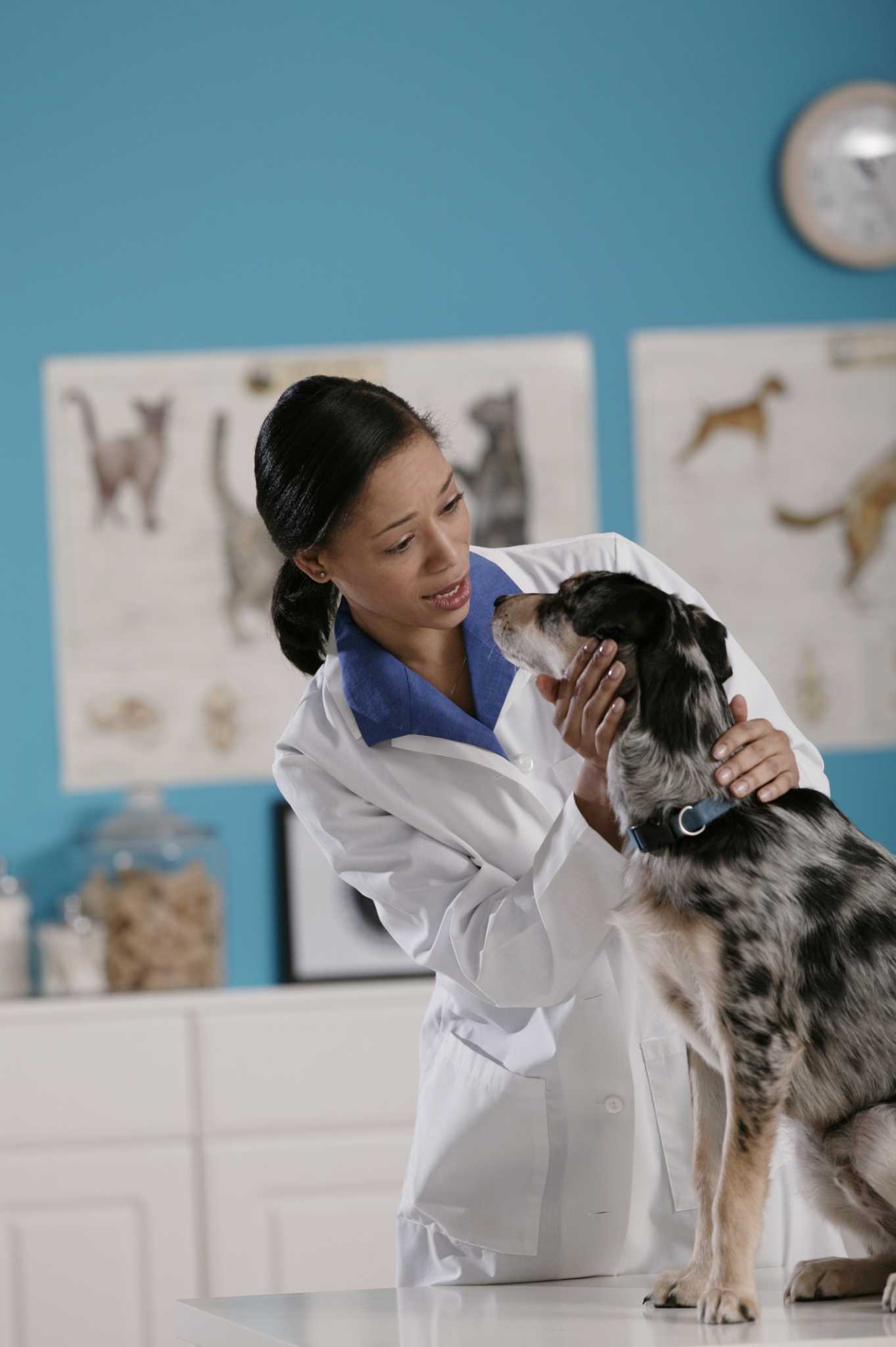
A board-certified veterinary behaviorist—often informally referenced as a dog behaviorist vet—is a licensed veterinarian who has completed intensive postgraduate residency training and examinations to specialize in animal behavior. Veterinary medicine heavily informs this discipline, allowing practitioners to evaluate how physical pathology, neurochemistry, and endocrinology influence an animal’s daily conduct. Unlike professional dog trainers who focus primarily on operant conditioning and environmental management, a veterinary behavior specialist holds the medical authority to diagnose clinical psychiatric disorders in animals, order comprehensive diagnostic testing, and prescribe psychopharmacological agents when neurochemical imbalances require medical management.
The Critical Connection Between Physical Health and Behavior
Physical discomfort and systemic illness frequently manifest as sudden, uncharacteristic behavioral shifts in domestic canines. Conditions such as osteoarthritis, dental disease, neurological disorders, and endocrine imbalances can lower a pet’s stress threshold, leading to defensive reactivity or destructive patterns. Comprehensive medical examinations are therefore a fundamental prerequisite before any behavioral modification plan begins, ensuring that hidden pain or metabolic dysfunction is identified and treated appropriately rather than masked through training alone.
Behavioral changes in senior canines frequently serve as early clinical indicators of cognitive dysfunction syndrome or underlying physical pain. — American Veterinary Medical Association
Implementing Evidence-Based Behavioral Modification Strategies
Addressing severe behavioral concerns requires structured, humane, and science-based protocols tailored to the individual animal’s psychological profile. Contemporary veterinary behavior relies on systematic desensitization and counter-conditioning, which safely alter emotional responses to specific triggers without relying on fear, intimidation, or outdated dominance theories. Pet owners work alongside specialists to modify environmental stressors, establish predictable daily routines, and reinforce alternative emotional states. For individuals exploring broader educational resources, guidance on Dog Training and Dog Behavior can help clarify the distinction between basic obedience and clinical behavioral therapy.
Best Practices and Pitfalls to Avoid During Behavioral Interventions
Navigating complex behavioral modification demands patience, consistency, and a strict adherence to humane standards. A common mistake among pet owners is utilizing punitive measures or aversive tools—such as prong collars or shock collars—to suppress unwanted actions like barking or leash pulling. Punishment frequently increases underlying fear and physiological arousal, often exacerbating aggressive responses and damaging trust between the pet and the caregiver. Instead, focusing on proactive management, rewarding calm alternative actions, and maintaining realistic timelines yields significantly safer and more sustainable results.
Punishment-based training methods create elevated cortisol levels and chronic stress responses in domestic canines, increasing the risk of defensive aggression. — American Animal Hospital Association
Pet Care & Wellness Overview Table
| Life Stage | Daily Activity Level | Key Nutrition / Care Focus |
|---|---|---|
| Puppy / Kitten | High (frequent short bursts) | High-protein growth diet & early socialization |
| Adult Companion | Moderate (30–60 mins daily) | Balanced maintenance nutrition & dental hygiene |
| Senior Pets | Low to Gentle (mindful walks) | Joint support (Glucosamine) & routine vet checks |
Images References





Breed, Age, and Temperament Factors in Behavioral Health
Every canine possesses a unique genetic predisposition, developmental background, and temperament profile that influences how they perceive and react to the world. Herding breeds, for instance, may display intense nipping or circling tendencies due to ancestral selection, while guardian breeds might exhibit heightened suspicion toward unfamiliar human visitors. Understanding these inherent traits helps veterinary professionals and caregivers design realistic management strategies. For further reading on how genetic heritage shapes daily needs, reviewing information related to Dog Breeds and general Dog Care offers valuable context for responsible pet guardianship.
When to Transition from General Training to Veterinary Behavior Expertise
Recognizing the threshold where standard obedience instruction is insufficient protects both human family members and the animal from escalating distress. Professional veterinary behavioral consultation becomes necessary when pets display unprovoked aggression, severe separation anxiety resulting in self-injury, panic-level noise phobias, or compulsive behaviors like excessive tail chasing. For any unexpected medical emergencies, sudden collapse, or acute toxic ingestions, immediate veterinary care should always take precedence over behavioral evaluations. Early referral to a certified specialist prevents entrenched neuropathways from forming and greatly improves the long-term prognosis for recovery.
Moving Forward with Expert Guidance for Your Canine Companion
Navigating complex behavioral challenges requires a compassionate, scientifically grounded partnership between dedicated pet owners and qualified veterinary professionals. By prioritizing physical wellness, utilizing humane modification techniques, and seeking specialized support early, households can foster a safe and harmonious environment for their animals. Discover more expert resources, health guides, and practical advice by exploring PetsAnimalsWorld.com alongside dedicated sections on Dog Health to ensure a comprehensive approach to lifelong pet wellness.




