
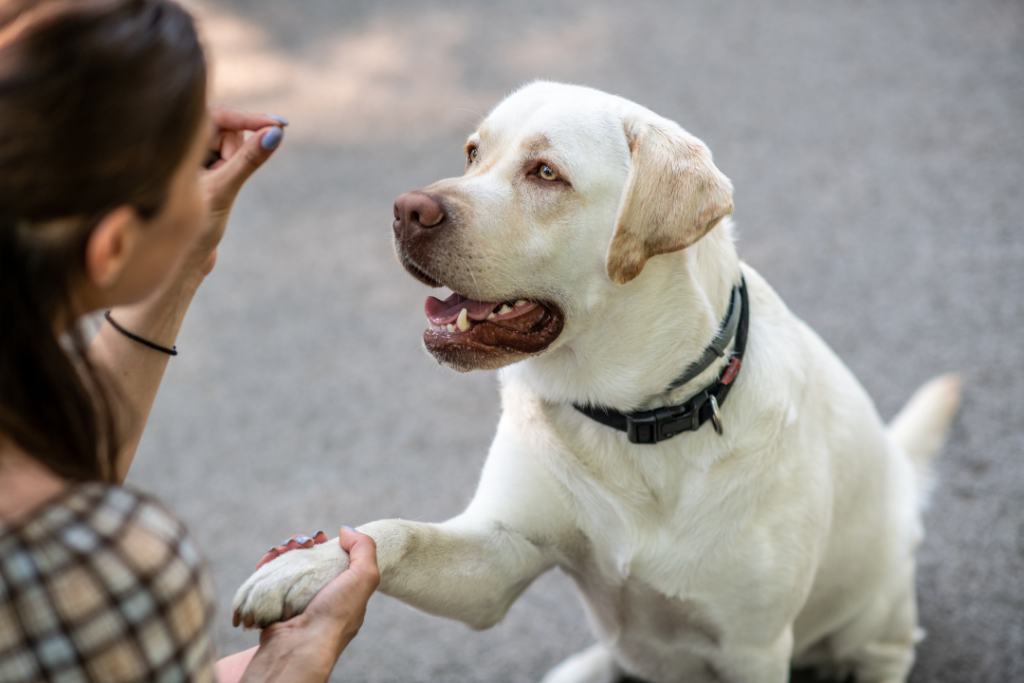
Understanding Canine Conduct Within Urban Ecosystems
Navigating the complexities of canine conduct in a bustling metropolitan environment requires specialized guidance, particularly when household challenges escalate beyond basic obedience. According to the American Society for Prevention of Cruelty to Animals, behavioral issues represent a primary reason owners relinquish dogs, highlighting the critical need for early, evidence-based intervention. In a densely populated coastal city, canine companions frequently encounter unique environmental stressors, ranging from heavy pedestrian traffic and compact living spaces to varied weather patterns and abundant wildlife encounters. These factors can influence emotional well-being, sometimes manifesting as reactivity, separation anxiety, or excessive vocalization. Engaging a qualified professional to assess these complex dynamics can help bridge the communication gap between humans and their four-legged companions, fostering a harmonious coexistence within shared residential spaces.
💡 Pet Care Key Takeaways:
- Core Focus: Practical health, nutrition, and wellness guidelines for Dog Behaviorist Vancouver.
- Target Scope: Pet owners, animal caregivers, and veterinary support staff.
- Best Recommendation: Maintain consistent daily routines and consult an accredited veterinarian before introducing major diet or medical changes.
Defining the Role of a Professional Canine Behavior Expert
A dog behaviorist Vancouver professional specializes in evaluating the underlying psychological and emotional motivations driving specific actions, going far beyond basic obedience training. While standard trainers typically focus on teaching fundamental cues like sit, stay, and loose-leash walking, certified behaviorists delve into the realm of animal psychology to address deep-seated emotional responses such as fear, compulsive disorders, and aggressive tendencies. These practitioners utilize learning theory, desensitization protocols, and counter-conditioning techniques to modify how a canine perceives and reacts to environmental triggers. By looking at the complete picture—including daily routines, medical history, and environmental enrichment—a behaviorist creates customized modification plans that prioritize psychological welfare over quick-fix obedience. For more related activities, check out our Dog Behavior Guarding.
The Impact of Environment on Canine Psychological Well-Being
Environmental stressors unique to the Pacific Northwest can significantly shape a dog’s behavioral profile and emotional baseline. Rapidly shifting weather conditions, high-density housing, and bustling shared parks expose urban pets to continuous sensory stimulation that might overwhelm sensitive individuals. Chronic exposure to these stressors without adequate decompression can elevate cortisol levels, potentially leading to persistent anxiety or defensive reactivity during daily walks. Addressing these challenges involves careful environmental management, ensuring that pets receive adequate mental stimulation and safe spaces to rest away from household commotion.
Behavioral modifications that rely on positive reinforcement produce more reliable and emotionally stable outcomes than punishment-based methods, which often increase fear and anxiety. — American Veterinary Medical Association
Approaching Behavioral Modification Through Humane Strategies
Addressing persistent behavioral challenges requires a structured, patient approach rooted in scientific learning principles rather than dominance theories or punitive measures. Humane behavior modification focuses on identifying the root causes of distress, such as resource guarding or noise phobias, and systematically altering the animal’s emotional association with the trigger. For instance, when dealing with leash reactivity, practitioners work well below the dog’s threshold distance, pairing the appearance of a stimulus with high-value rewards to build positive associations over time. Consistency and patience remain paramount, as meaningful psychological shifts take time to integrate into daily life.
Best Practices and Common Pitfalls in Behavior Modification
Achieving sustainable behavioral progress requires avoiding common mistakes, such as rushing exposure milestones or relying on intimidation-based tools that exacerbate fear. A frequent misstep involves punishing a dog for growling, which removes an essential warning signal and can result in unpredictable reactions without addressing the underlying anxiety. Instead, best practices dictate monitoring body language closely, respecting established boundaries, and maintaining clear, predictable communication routines. Celebrating small milestones rather than expecting immediate perfection helps sustain motivation for both the pet and the human family members involved.
Early identification and intervention for behavioral problems in juvenile dogs significantly improve long-term retention in homes and reduce relinquishment risks. — American Kennel Club
Pet Care & Wellness Overview Table
| Life Stage | Daily Activity Level | Key Nutrition / Care Focus |
|---|---|---|
| Puppy / Kitten | High (frequent short bursts) | High-protein growth diet & early socialization |
| Adult Companion | Moderate (30–60 mins daily) | Balanced maintenance nutrition & dental hygiene |
| Senior Pets | Low to Gentle (mindful walks) | Joint support (Glucosamine) & routine vet checks |
Images References






Breed Tendencies, Age, and Individual Temperament Factors
Individual variability plays a monumental role in shaping how dogs respond to behavioral interventions, making standardized solutions ineffective across diverse populations. Working and herding breeds, for example, often require robust mental tasks and structured outlets for their natural drives to prevent frustration-based behaviors in urban settings. Conversely, companion breeds may have different sensitivities to physical separation or environmental changes. Furthermore, an animal’s age heavily influences behavioral expression; adolescent dogs experience hormonal shifts that can temporarily amplify reactivity, while senior dogs might exhibit cognitive decline that mimics sudden behavioral changes.
When to Seek Veterinary Guidance and Professional Support
Recognizing the threshold where professional intervention becomes necessary is vital for ensuring the safety and welfare of both the household and the community. Any sudden, unexplained shift in conduct—such as uncharacteristic aggression, lethargy, or repetitive movements—warrants an immediate veterinary examination to rule out underlying pain, neurological issues, or medical illness. For persistent fear, bite histories, or severe separation distress, consulting a qualified, certified behaviorist or veterinary behaviorist is essential. Comprehensive resources and supportive educational guides can also be found by exploring Dog Behavior, Dog Training, and Dog Health.
Fostering Long-Term Harmony and Continued Learning
Creating a balanced, trusting relationship with a canine companion is an ongoing journey that extends far beyond initial training sessions or behavioral consultations. By committing to continuous education, environmental awareness, and humane care practices, owners can navigate the complexities of urban pet ownership successfully. Exploring additional insights across Dog Care and Dog Breeds on PetsAnimalsWorld.com helps build a well-rounded foundation for lifelong animal companionship and mutual understanding.




