

According to the American Veterinary Medical Association, behavioral issues represent one of the primary reasons companion animals are surrendered or face significant welfare challenges, highlighting the critical need for qualified behavioral intervention. Living in a bustling coastal city introduces unique environmental stimuli for companion animals, ranging from crowded boardwalks and heavy summer traffic to unfamiliar wildlife and sudden weather shifts. These regional stressors frequently manifest as canine reactivity, generalized anxiety, or destructive habits inside the household. Dog owners seeking guidance for complex psychological challenges often look for specialized support to help their animals navigate these everyday pressures safely. Understanding how professional behavioral support functions within a specific locale ensures that families can access the right resources before minor habits escalate into severe behavioral distress. Establishing a solid foundation of positive reinforcement and environmental management protects the emotional well-being of the animal while fostering a harmonious home environment.
💡 Technical Key Takeaways:
- Core Focus: Diagnostic schematic and terminal connection layout for Dog Behaviorist Virginia Beach.
- Target Scope: Field technicians, automotive DIYers, and residential/commercial electricians.
- Safety Rule: Always disconnect the primary power source/battery terminal and verify zero voltage with a multimeter before touching wires.
Understanding the role of a certified canine behavior professional
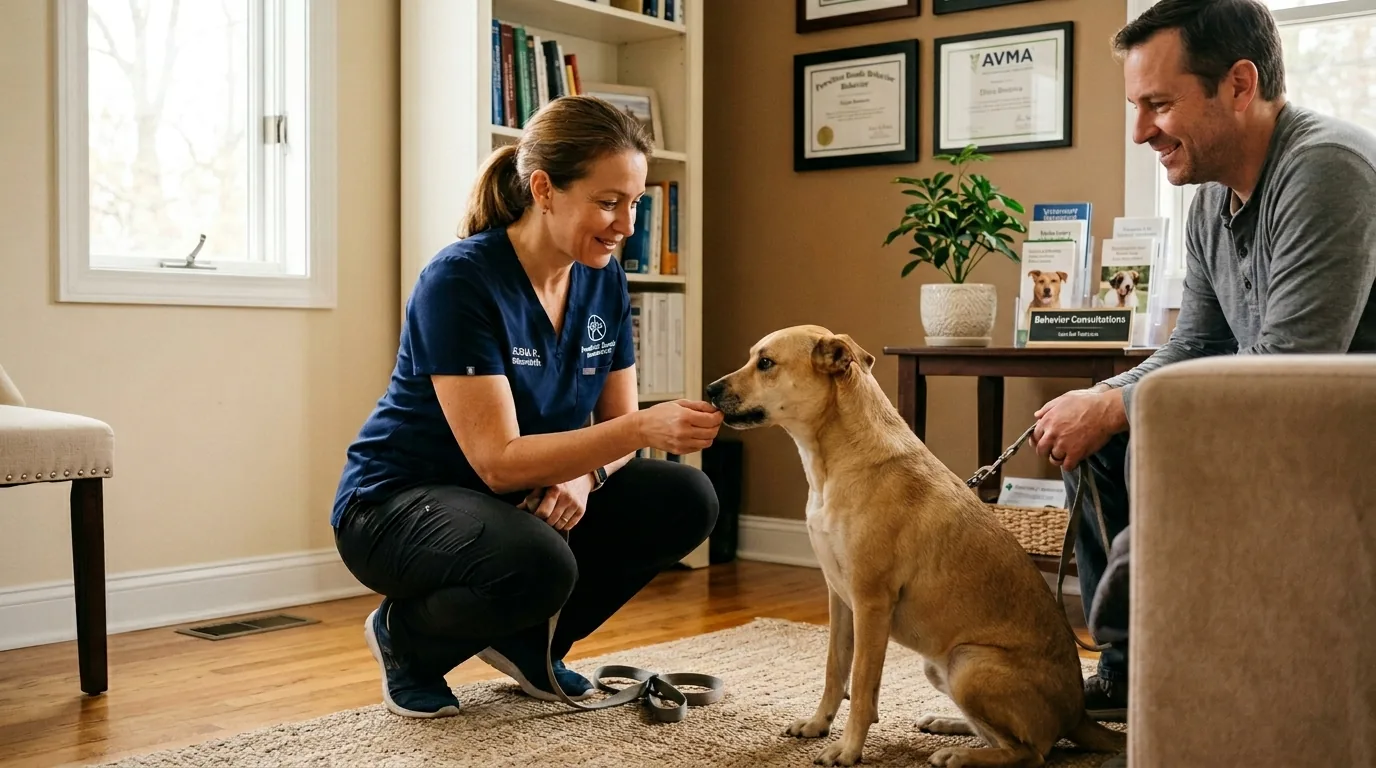
Professional canine behavior consulting involves the scientific study and modification of animal actions through evidence-based, humane learning principles rather than outdated dominance theories. When families search for a dog behaviorist virginia beach, they are typically looking for credentialed experts who possess advanced certifications such as Certified Applied Animal Behaviorist or board-certified veterinary behavioral credentials. These professionals evaluate the underlying emotional motivators driving unwanted actions, distinguishing between simple obedience gaps and deep-seated fears or phobias. Instead of applying quick fixes or punishment-based methods that can suppress warning signs and increase underlying panic, qualified behaviorists design individualized modification plans focused on desensitization and counter-conditioning. Desensitization involves gradually exposing an animal to a triggering stimulus at a level below their threshold of reactivity, while counter-conditioning pairs that same trigger with a positive emotional response, such as high-value food rewards.
The impact of environment and stress on domestic animals
Unaddressed behavioral concerns frequently lead to chronic physiological stress, which compromises the immune system and diminishes the overall quality of life for companion animals. Coastal environments present constant sensory inputs, from loud fireworks during summer holidays to high foot traffic in neighborhood parks, which can overwhelm sensitive dogs. When an animal remains in a state of chronic hyperarousal, stress hormones like cortisol remain elevated, making learning difficult and increasing the likelihood of defensive reactions. Recognizing these physiological markers allows caretakers to intervene early and provide necessary environmental modifications, such as creating secure indoor resting spaces or avoiding high-stress triggers altogether. Proper mental enrichment, consistent routines, and adequate physical exercise work synergistically to lower baseline stress levels and support long-term behavioral stability.
Behavioral problems in companion animals are frequently rooted in underlying fear, anxiety, or medical discomfort rather than simple disobedience or spite. — American Veterinary Medical Association
Implementing evidence-based modification and humane training strategies
Addressing complex behavioral patterns requires patience, consistency, and a strict adherence to humane, science-backed methodologies. Caretakers must identify specific environmental triggers that provoke undesirable responses and systematically alter the animal’s association with those triggers using positive reinforcement. Management tools such as baby gates, secure harnesses, and long lines allow families to prevent rehearsal of unwanted habits while actively teaching alternative behaviors like targeted hand-touches or calm mat-settling. Clear communication and predictable daily structures help reduce canine anxiety by giving animals a sense of control over their immediate environment.
Best practices and common mistakes in behavioral modification
Successful behavioral modification relies on consistency and proactive management, whereas common pitfalls include rushing exposure timelines or utilizing physical reprimands. Punishment-based strategies often escalate fear by associating the handler or the environment with pain, which frequently leads to worsened aggression. Another frequent error involves flooding an animal, meaning forced, prolonged exposure to an overwhelming trigger, which can severely traumatize the animal and set back progress. Best practices dictate keeping training sessions short, keeping the animal safely below their stress threshold, and celebrating small incremental successes rather than demanding immediate perfection. Consulting structured resources on Dog Training can help caretakers establish appropriate expectations and safe methodologies for home practice.
Positive reinforcement training strengthens the human-animal bond by utilizing rewards to encourage desired behaviors while avoiding the risks associated with aversive techniques. — American Society for the Prevention of Cruelty to Animals
Quick Wiring Specifications & Terminal Guide
| Component / Circuit | Standard Wire Gauge | Recommended Protection |
|---|---|---|
| Control & Trigger Signals | 18 – 20 AWG | 5A – 7.5A Inline Fuse |
| Standard Auxiliary Load | 14 – 16 AWG | 15A – 20A Circuit Breaker |
| Main Power Feed / Supply | 10 – 12 AWG | 30A – 40A Heavy-Duty Relay |
Images References





Breed, age, and individual temperament considerations
Every individual dog processes environmental information differently based on a complex interplay of genetic predisposition, developmental history, and current life stage. Working or herding breeds, for instance, may channel unspent mental energy into reactive behaviors if their cognitive needs are not met through structured tasks or puzzles. Conversely, senior dogs experiencing cognitive dysfunction or age-related sensory declines may exhibit sudden confusion, nighttime pacing, or house-soiling that mimics behavioral problems but stems from underlying physiological shifts. Recognizing these unique demographic and biological factors ensures that behavioral plans remain tailored to the specific needs of the animal rather than applying a generalized template that may fail or cause further distress.
When to consult a veterinary professional or certified behaviorist
Immediate professional intervention is necessary whenever behavioral changes appear suddenly, or when actions involve severe fear, panic, or threats to human and animal safety. Sudden shifts in disposition frequently point to hidden medical conditions, underlying pain, or neurological issues that require a thorough diagnostic examination by a licensed veterinarian. For chronic or complex psychological concerns such as separation anxiety, resource guarding, or inter-dog aggression, partnering with a certified behavior professional ensures the implementation of a safe, structured rehabilitation plan. Exploring educational materials on Dog Health and Dog Behavior offers additional context on identifying early warning signs that necessitate clinical evaluation.
Supporting lifelong canine wellness and behavioral health
Fostering a well-adjusted companion animal requires ongoing dedication to physical health, mental enrichment, and compassionate communication. By addressing environmental stressors early and utilizing evidence-based guidance from qualified professionals, owners can ensure their animals lead balanced, confident lives. Discover more expert resources, breed insights, and wellness tips by visiting PetsAnimalsWorld.com and exploring our comprehensive guides on Dog Care.




